- Home
- ISLAMIC RESISTANCE
- SECRETARY-GENERAL
-
Full Speeches
- Speeches-2000
- Speeches-2006
- Speeches-2007
- Speeches-2008
- Speeches-2009
- Speeches-2010
- Speeches-2011
- Speeches-2012
- Speeches-2013
- Speeches-2014
- Speeches-2015
- Speeches-2016
- Speeches-2017
- Speeches-2018
- Speeches-2019
- Speeches-2020
- Speeches-2021
- Speeches-2022
- Speeches-2023
- Speeches-2024
- Speeches-2025
- Speeches-2026
- Speech-Reports
- SG
-
Full Speeches
- Voices
- Ten Day Dawn
- The Biggest Crime
- Martyr Leaders

Opposition parties are running out of patience - Aoun

Source: Compiled by Daily Star, 11-01-2008
Free Patriotic Movement (FPM) leader MP Michel Aoun on Wednesday lashed back at Maronite Patriarch Nasrallah Butros Sfeir, saying he is "just an ordinary citizen who has the right to express his opinion." Sfeir has reportedly described Aoun as swimming against the current and thus blocking the possibility of reaching an agreement between political factions that would lead to the election of a new head of state.
Aoun warned that "we are running out of patience."
The MP said the formation of a new government is "not among the president's powers, and there will be no elections prior to an agreement on a specific plan."
Also Wednesday, MP Michel Murr of Aoun's Reform and Change bloc expressed support for the Arab League's three-point plan to solve the presidential crisis and voiced objections to Aoun's proposal on the formation of a national unity government in which the ruling coalition would receive 14 seats, the opposition 11 and the president 5.
Murr said the Arab initiative was "in favor of all the Lebanese, and especially in favor of the Christians."
The MP stressed that he is "an ally to the Change and Reform parliamentary bloc, but this does not mean that I am integrated in the FPM."
In other developments Wednesday, the head of the Arab League said Lebanon was in danger but there was still hope.
Amr Moussa arrived in Beirut Wednesday evening to present a plan, unanimously endorsed by Arab foreign ministers in Cairo on Saturday, calling for the election of the commander of the Lebanese Armed Forces, General Michel Suleiman, as president, the formation of a national unity government and the adoption of a new electoral law.
"Lebanon is in danger but its salvation is possible. This is a Lebanese as well as an Arab responsibility," Moussa told reporters at Beirut's airport before heading into talks with Parliament Speaker Nabih Berri.
Syria, which has been accused by the United States and Lebanon's Western backed parliamentary (so-called) 'majority' of obstructing the presidential vote, promised on Wednesday to help ensure the success of Moussa's mission.
"Arab efforts [to achieve] national reconciliation among Lebanese brothers is a real chance to overcome Lebanon's crisis, which has led to a presidential vacuum and political escalation in Lebanon," Information Minister Mohsen Bilal told a news conference in Damascus.
But Bilal stressed that Syria would not exert pressure on its allies in the Lebanese opposition to accept the Arab plan.
Jordan's King Abdullah II, for his part, welcomed the Arab plan on Wednesday.
"The plan to solve the Lebanese crisis and to surmount the repercussions of the political vacuum is considered a step on the right track," Abdullah told visiting Lebanese Prime Minister Fouad Siniora.
Moussa met later Wednesday night with Siniora after the latter returned from Amman.
Moussa also met late Wednesday with MP Saad Hariri, leader of the parliamentary majority, the state-run National News Agency reported.
Hizbullah has said it will deal positively with the Arab initiative.
"We have welcomed the Arab initiative from the beginning. We are fully ready to discuss its details and facilitate its success," Hizbullah's number two, Sheikh Naim Kassem, said Wednesday.
In their statement Saturday, the Arab foreign ministers called on Lebanon to elect Suleiman, then resolve the issues surrounding a national unity government. The ministers also said the new president should have the power to cast his vote to break ties in the Cabinet.
- Related News
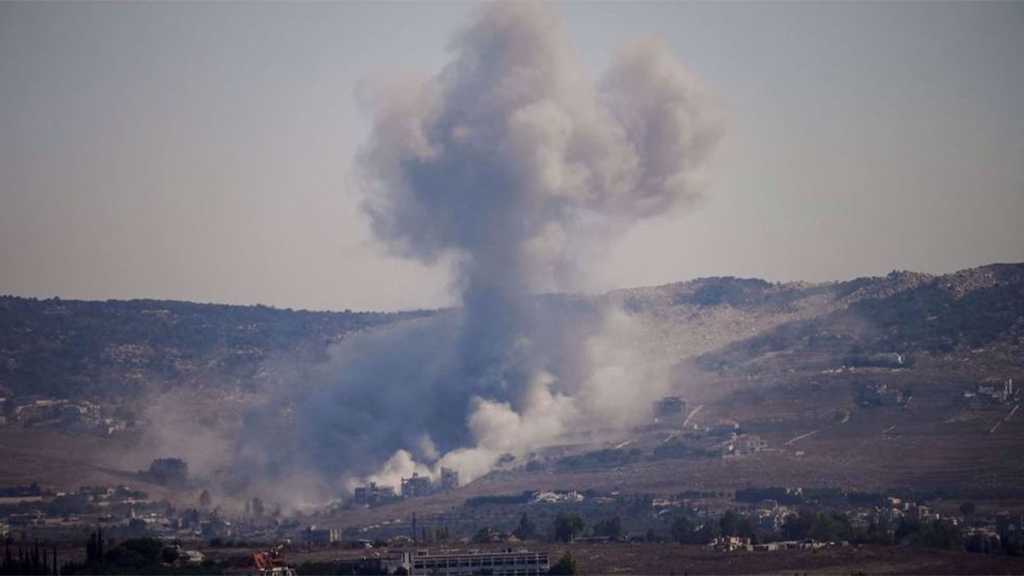
13 Killed in ’Israeli’ Strikes on Southern Lebanon
one month ago