White House Delays Imposing New Sanctions on Iran
Local Editor
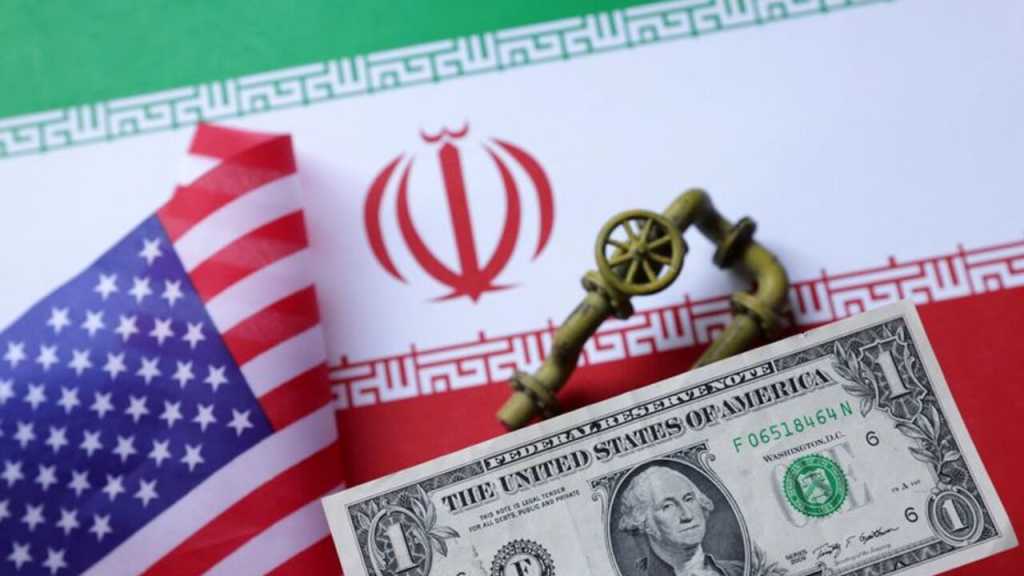
The White House had delayed its plan to impose new financial sanctions on Iran for its ballistic missile program, according to US officials, amid growing tensions with Iran over the nuclear deal struck earlier this year.
The officials said the Obama administration remains committed to combating Iran's missile program and that sanctions being developed by the US Treasury Department remain on the table. They also alleged imposing such penalties was legal under the landmark nuclear agreement forged between global powers and Iran in July.
Meanwhile, US officials offered no definitive timeline for when the sanctions would be imposed after the decision was made Wednesday to delay them. At one point, they were scheduled to be announced Wednesday morning in Washington, according to a notification the White House sent to Congress.
Republican leaders on Thursday accused the Obama administration of losing its will to challenge Iran after Tehran countered on Thursday that it would accelerate the development of its arsenal.
"If the president's announced sanctions ultimately aren't executed, it would demonstrate a level of fecklessness that even the president hasn't shown before," said Rep. Mike Pompeo [R., Kan.], a leading critic of the nuclear deal, in an interview.
Critics of the planned sanctions had already charged they weren't an adequate US response to Iran's continuing development of its missile program.
Furthermore, President Hassan Rouhani indicated that Iran needs to step up its missile capabilities in response to aggressive actions by the US, which is threatening to impose more sanctions over a missile test that Iran held in October, Rouhani wrote in a letter addressed to Defense Minister Hossein Dehghan.
He said Thursday morning on Twitter Iran has a right to continue developing its missiles since they are not capable of carrying nuclear warheads.
"As the US government is clearly still pursuing its hostile policies and illegal meddling ... the armed forces need to quickly and significantly increase their missile capability," Rouhani wrote.
Asked to comment, State Department spokesman John Kirby said the timeline for missile-related sanctions was unrelated to threats made by Iran on Thursday and the broader nuclear deal recently reached with Tehran. The State Department offered no explanation for the delay.
The White House on Wednesday morning sent a notification to Congress that the Treasury Department would announce at 10:30 a.m. new sanctions on nearly a dozen companies and individuals in Iran, Hong Kong and the United Arab Emirates for their alleged role in developing Iran's ballistic missile program.
The sanctions would have been the first imposed on Iran since the nuclear agreement was reached last July in Vienna.
The White House then sent a second email to congressional offices at 11:12 a.m. stating the sanctions announcement had been "delayed for a few hours," according to a copy of the communications seen by The Wall Street Journal.
In a final White House email sent just after 10 p.m., officials said the sanctions had been delayed, and didn't specify when they might go ahead.
"We are considering various aspects related to additional designations, as well as evolving diplomatic work that is consistent with our national security interests, and as such we will not be announcing any additional designations today," the White House email said. "We will continue to keep you informed as we work through remaining issues."
Obama administration officials said the US could begin implementing the nuclear agreement in January. As part of the deal, the US committed to unfreezing as much as $100 billion in Iranian oil money frozen in overseas accounts.
Iranian leaders, though, had repeatedly warned the US in recent months that any new sanctions on Iran, including penalties related to missile development, could undermine the deal's implementation.
US officials said Secretary of State John Kerry had been in nearly constant contact with his Iranian counterpart, Mohammad Javad Zarif, on the issue of the nuclear agreement and its implementation.
Rouhani, in his tweets Thursday, accused Washington of violating the deal.
"If US continues its illegitimate interference with Iran's right to defend itself, a new program will be devised to enhance missile capabilities," the Iranian president said. "We have never negotiated regarding our defense capabilities including our missile program and will not accept any restrictions in this regard."
Source: News Agencies, Edited by website team
Comments