- Home
- ISLAMIC RESISTANCE
- SECRETARY-GENERAL
-
Full Speeches
- Speeches-2000
- Speeches-2006
- Speeches-2007
- Speeches-2008
- Speeches-2009
- Speeches-2010
- Speeches-2011
- Speeches-2012
- Speeches-2013
- Speeches-2014
- Speeches-2015
- Speeches-2016
- Speeches-2017
- Speeches-2018
- Speeches-2019
- Speeches-2020
- Speeches-2021
- Speeches-2022
- Speeches-2023
- Speeches-2024
- Speeches-2025
- Speeches-2026
- Speech-Reports
- SG
-
Full Speeches
- Voices
- Ten Day Dawn
- The Biggest Crime
- Martyr Leaders

More US Layoffs Due to Weak Demand
By Staff, Agencies
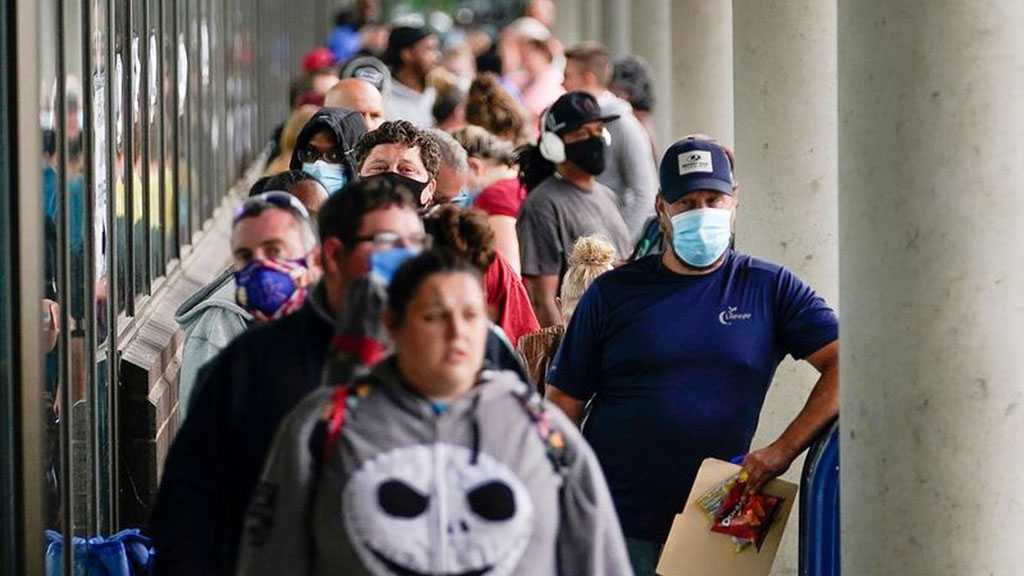
Weak demand across the United States is forcing employers to lay off workers, keeping new applications for unemployment benefits extraordinarily high, even as businesses have reopened, buttressing views the labor market could take years to recover from the COVID-19 pandemic.
A resurgence in confirmed coronavirus cases across the country, linked to the reopening of businesses, is also dimming the outlook. Roughly 29 million people were collecting unemployment checks at the end of May.
The US Labor Department’s weekly jobless claims report on Thursday, the timeliest data on the economy’s health, is unlikely to show a big improvement, more than a month after many businesses resumed operation after closing in mid-March in an effort slow the spread of the respiratory illness.
Companies are hiring, but others are cutting jobs at nearly the same pace. The economy slipped into recession in February.
Initial claims for state unemployment benefits likely totaled a seasonally adjusted 1.3 million for the week ended June 20, down from 1.508 million in the prior week, according to a Reuters survey of economists.
Claims have dropped from a record 6.867 million in late March, but the pace of decline has slowed and they are still more than double their peak during the 2007-09 Great Recession.
From manufacturing to transportation, retail and leisure and hospitality industries companies are restructuring to adapt to a vastly changed landscape, leading to layoffs and bankruptcies. State and local governments, whose budgets have been squeezed by the COVID-19 fight, are also cutting jobs.
Rising coronavirus infections in many parts of the country, including California, Texas and Florida, are likely to hurt employment as some people stay away from restaurants and other consumer-facing establishments, even if businesses are not shut down again.
In a busy calendar for economic data, other reports to be out Thursday are expected to show a big rebound in orders for big-ticket goods in May and to confirm the US economy shrank at a 5% annualized rate in the first quarter, the biggest contraction since the financial crisis more than a decade ago.
When second-quarter output is reported next month, the pace of contraction could exceed 30%.
Comments
- Related News

US Military Faces Strain as Iran War Continues
one month ago