- Home
- ISLAMIC RESISTANCE
- SECRETARY-GENERAL
-
Full Speeches
- Speeches-2000
- Speeches-2006
- Speeches-2007
- Speeches-2008
- Speeches-2009
- Speeches-2010
- Speeches-2011
- Speeches-2012
- Speeches-2013
- Speeches-2014
- Speeches-2015
- Speeches-2016
- Speeches-2017
- Speeches-2018
- Speeches-2019
- Speeches-2020
- Speeches-2021
- Speeches-2022
- Speeches-2023
- Speeches-2024
- Speeches-2025
- Speeches-2026
- Speech-Reports
- SG
-
Full Speeches
- Voices
- Ten Day Dawn
- The Biggest Crime
- Martyr Leaders

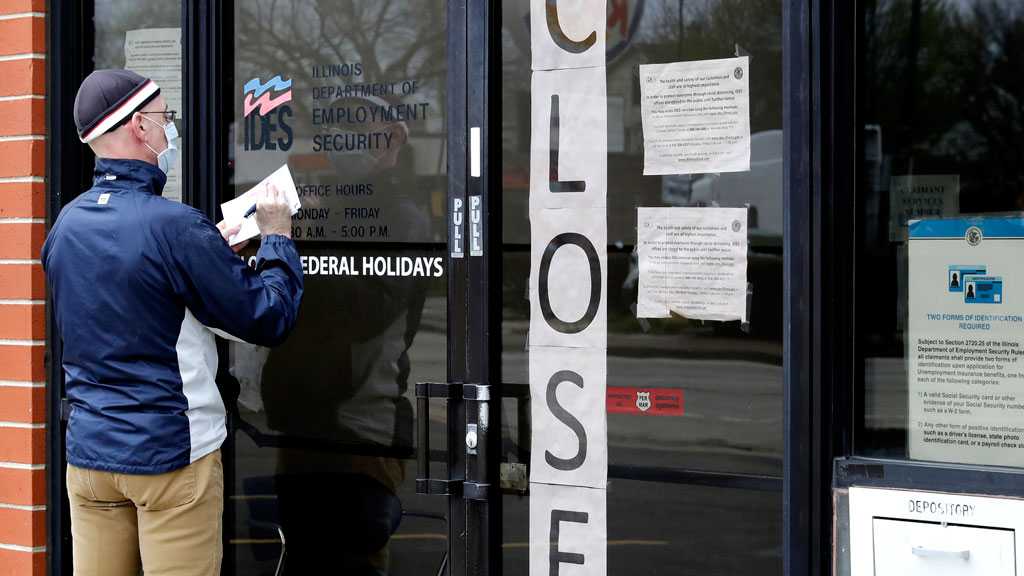
Americans Facing Extended Unemployment amid Pandemic
By Staff, Agencies
More than 1 million Americans started dipping into an unemployment fund meant for extended periods of joblessness as the nation is overwhekmed with the Coronavirus pandemic.
A research suggested that these individuals will have a harder time finding a job than others, amid an employment crisis worse than any time since the Great Depression, according to experts, CNBC reported.
That, in turn, may put them at greater risk of exhausting unemployment aid in the coming months.
Most states offer jobless workers up to 26 weeks, or about 6 months, of unemployment benefits, while a handful offer less.
The average worker got $378 a week in March, according to the Center on Budget and Policy Priorities.
The CARES Act, a federal coronavirus relief law enacted in March, offered up to 13 weeks of additional unemployment benefits to jobless workers who’d exhausted their state allotment.
It did so via a program called Pandemic Emergency Unemployment Compensation.
Nearly 1.1 million Americans were collecting benefits through that program as of May 30, according to most recent Labor Department data — which is more than double the number from the prior week.
That number also understates the true figure, since the Labor Department only reported data from 35 states.
“Far more people would be left completely with nothing if Congress hadn’t implemented PEUC,” said Heidi Shierholz, director of policy at the Economic Policy Institute, adding, “The fact that 1 million people are already on it underscores just how important it was that Congress started that program.”
Many of these recipients likely became unemployed before the pandemic, according to Ioana Marinescu, assistant professor of economics at the University of Pennsylvania.
That’s because six months — the typical duration of unemployment benefits — hasn’t yet passed since the pandemic began gouging jobs in the wake of state-mandated business closures in March.
These workers, which labor economists would call “long-term unemployed”, may be in a more-precarious position than the rest of their unemployed counterparts.
“We know those who are long-term unemployed find it very hard to find a job,” stated Marinescu.
That may be due to the stigma employers place on hiring someone who hasn’t held a job for a while, for example, she noted.
Workers unemployed for long stretches also typically earn lower wages when they rejoin the workforce.
And these individuals, who had been unable to find employment when the unemployment rate was at its lowest level in half a century, will likely have a much tougher time when it’s skyrocketed to its highest level since the Great Depression.
Around 21 million Americans were unemployed as of May.
Comments
- Related News

US Military Faces Strain as Iran War Continues
one month ago