UN debates draft resolution calling for “Israeli” withdrawal from Gaza, Human Rights Council plans mission to study “I
Source: AFP, 6-7-2006
UNITED NATIONS - The UN Security Council debated a draft resolution demanding an immediate withdrawal of "Israeli" forces from Gaza and the release of detained Palestinian officials but the United States described it as "unbalanced".
Experts from the 15-member council met behind closed doors to discuss a draft, presented by Qatar on behalf of the UN`s Arab Group, which also calls on "Israel", as the occupying power, to abide by its obligations under the Geneva Convention on the protection of civilians in time of war.
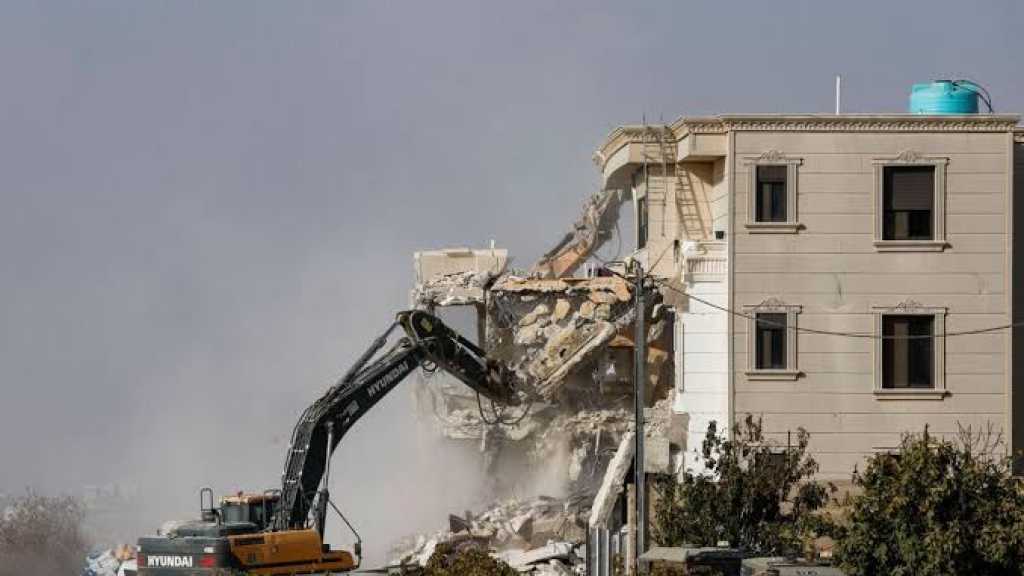
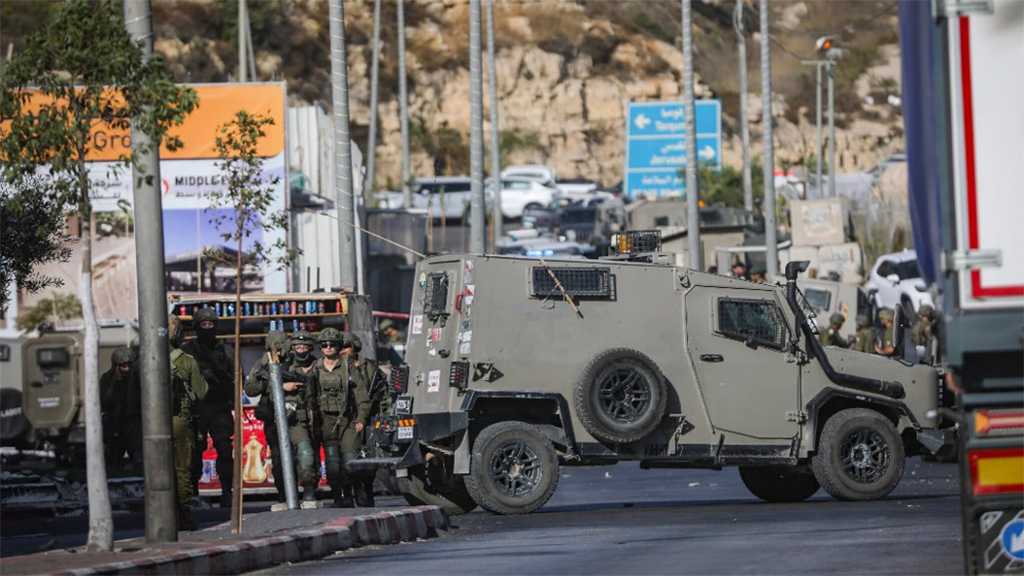
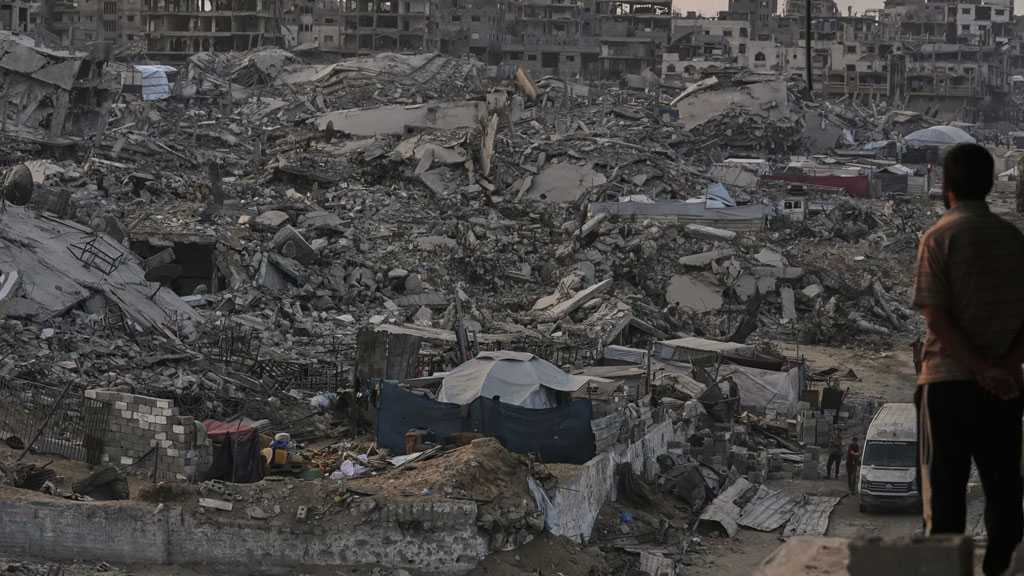
The UN debate took place as "Israel" thrust deep into the Gaza Strip in its largest and deadliest operation in months; reoccupying areas evacuated 10 months ago. Twenty Palestinians and an "Israeli" soldier were reported killed Thursday
The "Israeli" army created a buffer zone in northern Gaza as it widened its offensive against the Palestinians, upping the pressure on the embattled Hamas-led government to free a captured soldier and stop rocket attacks.
The draft demands that "‘Israel', the occupying power, immediately cease its aggression against the Palestinian civilian population in the occupied Palestinian territory, withdraw its forces to positions outside the Gaza Strip and release all the Palestinian officials it has detained."
It also expressed "grave concern about the dire humanitarian situation of the Palestinian people and calls for the provision of emergency assistance to them."
The text urged the Middle East diplomatic quartet -- the United States, the EU, Russia and the UN -- to take immediate steps, "including confidence-building measures between the parties" to ensure the resumption of the peace process.
"The Security Council cannot remain silent while they see this massive tragedy take place, this massive ‘Israeli' onslaught against Gaza," Palestinian UN observer Ryad Mansour told reporters.
"One can say that the great majority of members of the UN do condemn this aggression by ‘Israel' and demand the cessation of hostilities, the withdrawal of ‘Israeli' forces from Gaza and the release of all (detained Palestinian) elected officials," he added.
He pointed to expressions of support from the Organization of the Islamic Conference and the nonaligned movement.
But the text in its present form appeared doomed in view of opposition from the United States, a veto-wielding permanent member, because it does not mention the Palestinian rocket attacks and the capture of the "Israeli" soldier that triggered the tough "Israeli" response.
US Ambassador John Bolton said he concurred with his French colleague, Jean-Marc de La Sabliere, that the draft "is not balanced".
The council, instead, accepted an amendment that "urges all concerned parties to respect the rules of international humanitarian law, to refrain from violence against the civilian population and to treat under all circumstances all detained combatants and civilians in accordance with the Geneva Conventions."
The United States - which did not stand for election to the council and only has observer status - said it was "disappointed" at the decision.
Swiss Ambassador Blaise Godet regretted the council`s failure to rally around a consensus text. "This sort of signal would have helped consolidate the council at a critical phase of its very young life," he said.
Dugard told the council the offensive in Gaza was "morally reprehensible" and amplified a human-rights situation that was already "appalling."
"But I am concerned with the law. And here it is clear that ‘Israel' is in violation of the most fundamental norms of humanitarian law and human-rights law," he said before the vote.
Dugard regularly reports on the situation in Palestinian territory and was there in mid-June. "Israel" has refused to cooperate with him or his predecessors.
Earlier this year the Human Rights Council replaced the discredited Human Rights Commission, which censured "Israel" in its annual sessions.
Some Western human rights activists and diplomats have voiced concern that by immediately singling out "Israel", the council risks falling victim to the same political point-scoring and confrontation that hampered its predecessor.