- Home
- ISLAMIC RESISTANCE
- SECRETARY-GENERAL
-
Full Speeches
- Speeches-2000
- Speeches-2006
- Speeches-2007
- Speeches-2008
- Speeches-2009
- Speeches-2010
- Speeches-2011
- Speeches-2012
- Speeches-2013
- Speeches-2014
- Speeches-2015
- Speeches-2016
- Speeches-2017
- Speeches-2018
- Speeches-2019
- Speeches-2020
- Speeches-2021
- Speeches-2022
- Speeches-2023
- Speeches-2024
- Speeches-2025
- Speeches-2026
- Speech-Reports
- SG
-
Full Speeches
- Voices
- Ten Day Dawn
- The Biggest Crime
- Martyr Leaders

Arab League Chief to discuss Lebanon plan in Beirut

Source: Al-Manar, 6-1-2008
Arab League chief Amr Moussa said on Sunday he will head to crisis-wracked Lebanon to discuss a plan adopted by Arab foreign ministers calling for the election of presidential candidate Michel Sleiman. "There has been an agreement which I will present to the Lebanese parties for discussion during my visit," Moussa told reporters at an early morning news conference, adding that he will go to Beirut "within two days." "The ministers welcome favorably the consensus around Michel Sleiman as a candidate for the presidency and call for his immediate election in accordance with the constitution," Moussa said, reading from a statement.
Lebanon has been without a president since the mandate of former president Emile Lahoud expired on November 23 amid sharp divisions between the ruling bloc and the Lebanese national opposition. The two camps have been at odds over how to amend the constitution to allow Sleiman, a general and the current head of the army, to be elected president. The ruling bloc also refused to agree on the make-up of the future government. A vote in parliament to elect a new head of state has been postponed 11 times, and the legislature is now due to meet again on January 12 in the latest attempt to do so.
Foreign ministers of the 22-member Arab League held an extraordinary meeting on Saturday at the organization's Cairo headquarters aimed at resolving Lebanon's political crisis. The Arab ministers agreed on a three-point plan, namely the election of a president, forming a government of national unity and the adoption of a new electoral law, Moussa said.
Syria, represented at the meeting by Foreign Minister Walid Mouallem and long seen as a divisive influence on its neighbor, backed the plan, Moussa said. The foreign ministers called for "an immediate agreement on the formation of a national unity government" in Lebanon, constructed in such a way as to deny either faction the right to impose their policies on the other side, he said.
Under the plan, which is aimed at satisfying the demands of both the ruling bloc and the opposition, the new president would have the power of whether or not to approve government decisions, Moussa explained.
The foreign ministers meeting in Cairo are due to discuss on Sunday developments in the Palestinian territories ahead of a visit to the region by US President George W. Bush. Bush will spend three days in the occupied territories and the Palestinian town of Ramallah in the occupied West Bank from next Wednesday, the first such visit by a US president in nine years. He will also travel to oil-rich Bahrain and Kuwait as well as regional powerhouse Saudi Arabia, the United Arab Emirates and Egypt. The regional tour aims to push along recently revived Middle East talks with an eye on creating an independent Palestinian state before Bush leaves office in January 2009.
- Related News

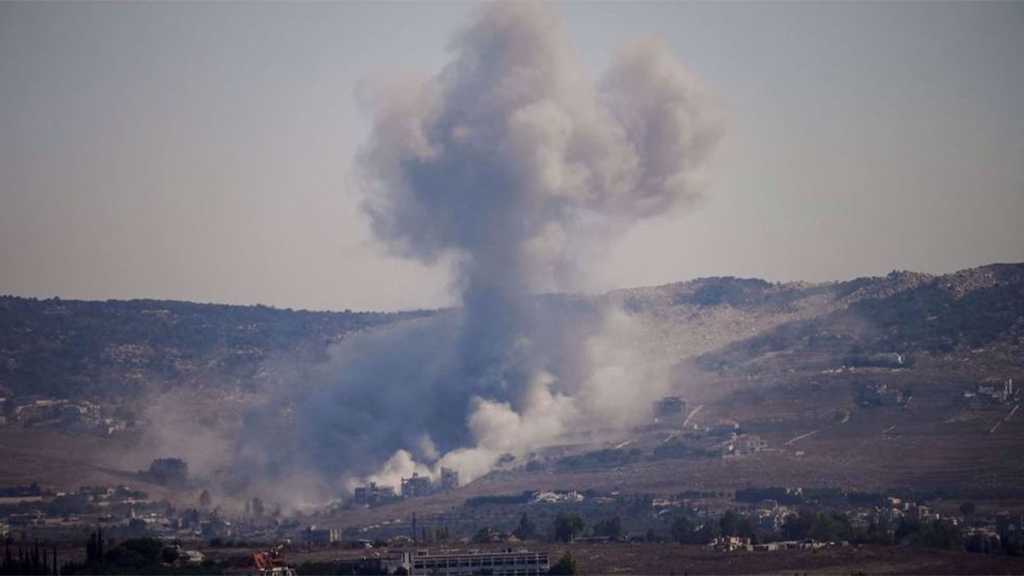
13 Killed in ’Israeli’ Strikes on Southern Lebanon
one month ago