- Home
- ISLAMIC RESISTANCE
- SECRETARY-GENERAL
-
Full Speeches
- Speeches-2000
- Speeches-2006
- Speeches-2007
- Speeches-2008
- Speeches-2009
- Speeches-2010
- Speeches-2011
- Speeches-2012
- Speeches-2013
- Speeches-2014
- Speeches-2015
- Speeches-2016
- Speeches-2017
- Speeches-2018
- Speeches-2019
- Speeches-2020
- Speeches-2021
- Speeches-2022
- Speeches-2023
- Speeches-2024
- Speeches-2025
- Speeches-2026
- Speech-Reports
- SG
-
Full Speeches
- Voices
- Ten Day Dawn
- The Biggest Crime
- Martyr Leaders

UK Files Reveal DSMA’s Expanding Role in Shaping and Suppressing Security Reporting
By Staff, Agencies
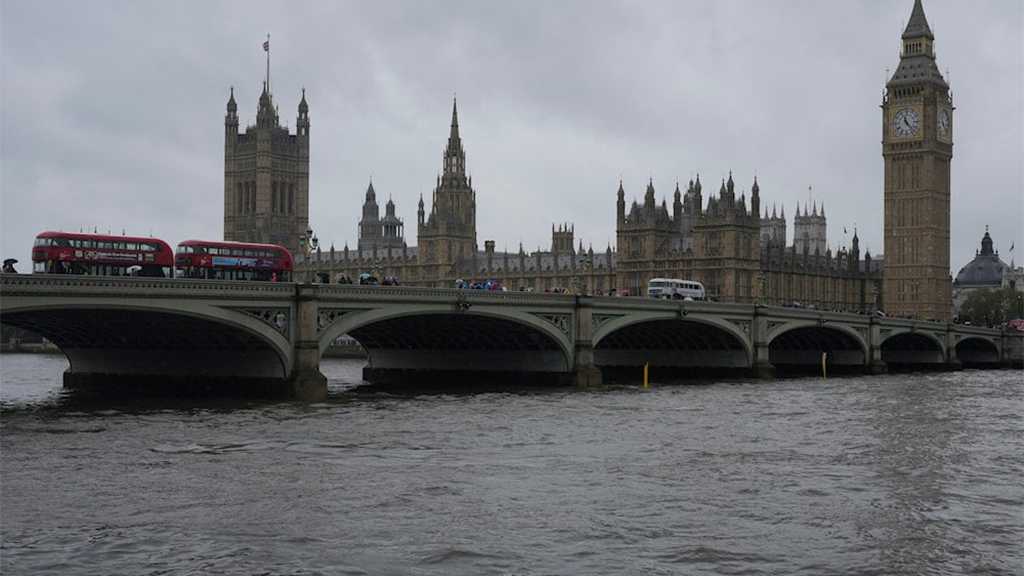
Newly leaked internal documents have exposed the extensive influence of the UK’s Defense and Security Media Advisory (DSMA) Committee over national-security reporting — and its growing push to extend that influence onto major social media platforms.
According to files published by The Grayzone, the committee — which brings together senior military, intelligence, and major media executives — regularly guides British newsrooms on how to cover sensitive issues ranging from intelligence operations and special-forces deployments to politically explosive criminal investigations.
Although DSMA participation is officially voluntary, the documents show the committee boasting of a “90%+ success rate” in stopping or reshaping publication of certain stories.
Some independent outlets were reportedly branded “extremist” simply for pursuing reporting considered embarrassing or insufficiently compliant with DSMA guidance.
Logs from 2011–2014 show dozens of newsroom requests for DSMA advice on cases such as the death of GCHQ employee Gareth Williams, UK cooperation with foreign spy agencies, and allegations of child sexual abuse involving public officials.
The files do not clarify whether journalists approached the DSMA first, or whether DSMA officials pre-emptively contacted newsrooms — but the volume suggests a far deeper editorial role than previously acknowledged, particularly regarding rendition programs and British special-forces activity in Libya and Syria.
The documents further detail DSMA involvement in long-running controversies, including the Dunblane massacre, Operation Ore, and the death of Princess Diana.
In several instances, journalists reportedly issued apologies for publishing information the committee viewed as problematic.
Facing declining leverage as digital platforms bypass traditional media controls, the DSMA has begun exploring ways to expand its authority online.
Internal discussions reveal concern that social media undermines its ability to contain sensitive disclosures.
Meeting minutes show efforts to engage companies such as Meta and X to help restrict the spread of classified or sensitive information.
While tech firms have so far resisted formal cooperation, the DSMA expressed confidence that future regulation may force compliance.
The documents collectively present a rare, detailed picture of a system that operates largely out of public view — one that is now seeking new tools to preserve its influence in the digital age.
Comments
- Related News
UK to Ban Trade with Illegal “Israeli” Settlements
one month ago