- Home
- ISLAMIC RESISTANCE
- SECRETARY-GENERAL
-
Full Speeches
- Speeches-2000
- Speeches-2006
- Speeches-2007
- Speeches-2008
- Speeches-2009
- Speeches-2010
- Speeches-2011
- Speeches-2012
- Speeches-2013
- Speeches-2014
- Speeches-2015
- Speeches-2016
- Speeches-2017
- Speeches-2018
- Speeches-2019
- Speeches-2020
- Speeches-2021
- Speeches-2022
- Speeches-2023
- Speeches-2024
- Speeches-2025
- Speeches-2026
- Speech-Reports
- SG
-
Full Speeches
- Voices
- Ten Day Dawn
- The Biggest Crime
- Martyr Leaders

UK Farmers Face £800m Loss After Record-Breaking Heat, Drought
By Staff, Agencies
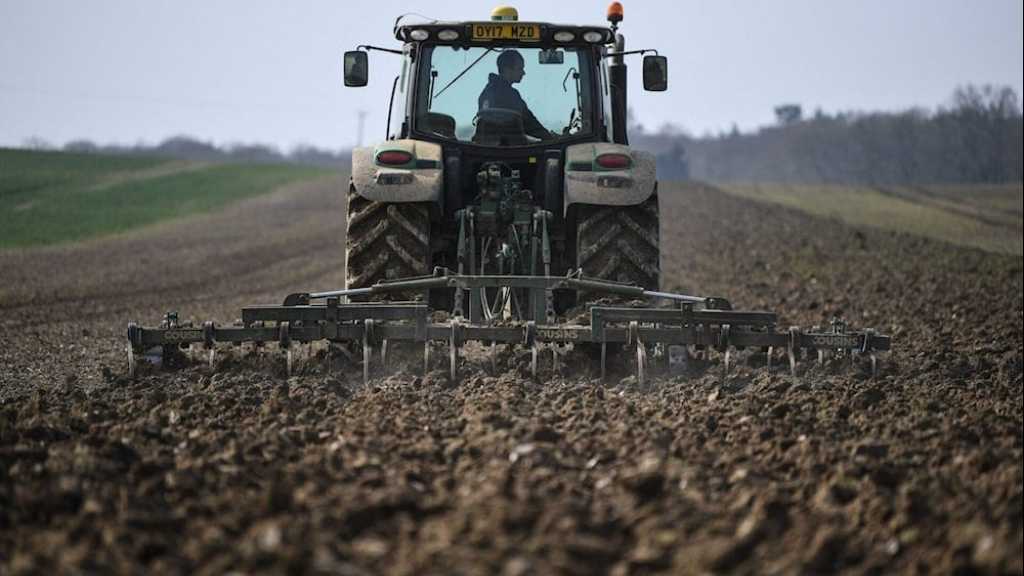
Britain’s 2025 harvest was among the worst on record, with extreme heat and drought causing over £800 million in losses and cutting staple crop yields by 20%.
The Energy and Climate Intelligence Unit [ECIU] reported it was England’s second-worst harvest since 1984, worsened further by flooded winters in 2019–20 and 2023–24 that blocked crucial planting.
"This has been another torrid year for many farmers in the UK, with the pendulum swinging from too wet to too hot and dry," said Tom Lancaster of the ECIU. "British farmers have once again been left counting the costs of climate change, with four-fifths now concerned about their ability to make a living due to the fast-changing climate."
Weather extremes, rising costs, and flat grain prices have pushed British arable farmers into severe financial strain. Since 2020, climate-driven poor harvests have cost over £2 billion, the ECIU estimates. And with global prices tied to international supply, low UK yields haven’t translated into better market returns.
More frequent and severe extreme weather is raising alarm over Britain’s long-term food production. The Met Office says summer 2025 was the hottest in over a century—made 70 times more likely by global heating—and that 2023–24 winter storm rainfall was about 20% more intense due to climate change.
“This year’s harvest was extremely challenging,” said Jamie Burrows, Chair of the National Farmers’ Union combinable crops board. He added that increasingly unpredictable weather makes UK crop production difficult, and funding is needed for climate adaptation and resilient varieties to protect national food security.
Farmers see green schemes as crucial for future resilience, but support has stalled after the Sustainable Farming Incentive was suspended in March. Lancaster stressed “an urgent need” for better backing, warning that delays to relaunching key schemes are “the last thing the industry needs.”
These schemes promote resilience by encouraging practices such as planting winter cover crops, which help improve soil quality, increase moisture retention during droughts, and improve drainage during wet periods.
Some farmers blame environmental rules for lower profits, but Lancaster says climate impacts are the real cause: “Climate impacts are what’s actually driving issues of profitability… Without reaching net zero, there’s no way to limit the impact, making UK food production ever more difficult.”
The ECIU reports that weather-affected foods have risen over four times faster than the average basket, with butter, beef, milk, coffee, and chocolate up 15.6% in the past year versus 2.8% for other items.
UK drought cut grass growth, hitting butter and beef, while extreme weather abroad raised coffee and cocoa prices, pushing up UK supermarket costs.
A spokesperson from the Department for Environment, Food and Rural Affairs [DEFRA] acknowledged the challenges: "We know there are challenges in the sector and weather extremes have affected harvests. We are backing our farmers in the face of a changing climate with the largest nature-friendly farming budget in history to grow their businesses and get more British food on our plates."
Comments
- Related News