- Home
- ISLAMIC RESISTANCE
- SECRETARY-GENERAL
-
Full Speeches
- Speeches-2000
- Speeches-2006
- Speeches-2007
- Speeches-2008
- Speeches-2009
- Speeches-2010
- Speeches-2011
- Speeches-2012
- Speeches-2013
- Speeches-2014
- Speeches-2015
- Speeches-2016
- Speeches-2017
- Speeches-2018
- Speeches-2019
- Speeches-2020
- Speeches-2021
- Speeches-2022
- Speeches-2023
- Speeches-2024
- Speeches-2025
- Speeches-2026
- Speech-Reports
- SG
-
Full Speeches
- Voices
- Ten Day Dawn
- The Biggest Crime
- Martyr Leaders

Moscow Sees Potential for Coop. in New US Security Strategy, But Seeks Clarification
By Staff, Agencies
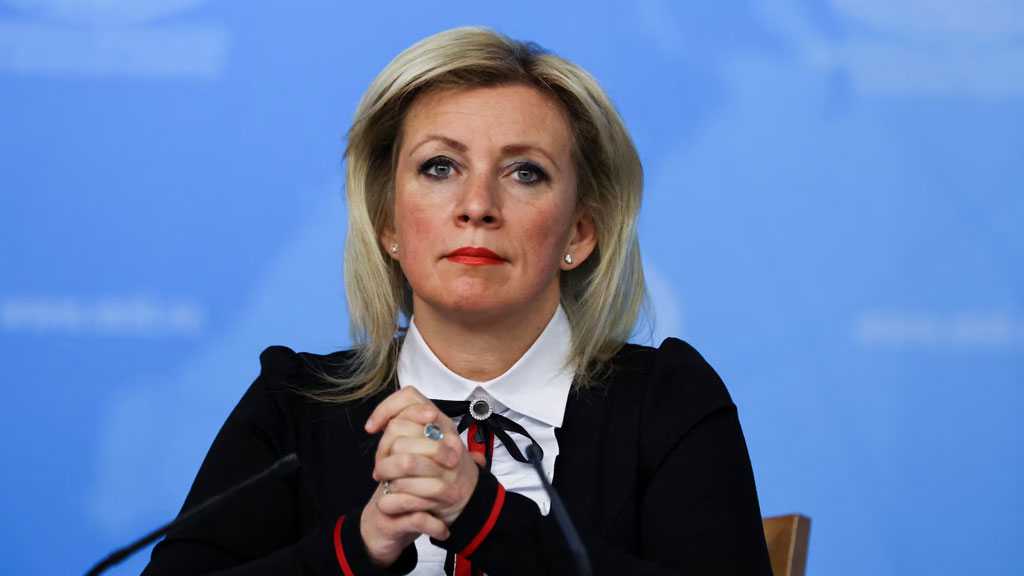
Russia believes the newly updated US National Security Strategy could provide a basis for improved cooperation between Washington and Moscow, though certain elements require further explanation, Foreign Ministry spokeswoman Maria Zakharova said on Monday.
The revised strategy, released last week by President Donald Trump’s administration, represents a sharp departure from the 2022 version and appears to scale back earlier US aspirations to global dominance, Zakharova noted. She emphasized, however, that only time will reveal whether the White House will follow through on the document’s stated intentions.
Some of the sections relating to Ukraine could open the door to continued “constructive” engagement between Russia and the United States toward negotiating a peace settlement, she said. Zakharova also argued that these passages may pressure what she called Europe’s “party of war,” claiming EU officials have attempted to undermine Trump’s peace initiative, thus creating friction between Washington and Brussels.
She highlighted the strategy’s acknowledgment of past “serious miscalculations” tied to an overreliance on globalism, and its call to end the view of NATO as an endlessly expanding alliance. While the document does not explicitly promise to halt NATO enlargement, Zakharova said it is the first US strategy to cast doubt on what Moscow considers the bloc’s “aggressively expansionist” direction.
Russia maintains that NATO’s growth is a core driver of the conflict in Ukraine, which it sees as a Western proxy war.
The strategy mentions Russia primarily within the context of European security and does not advocate broad containment policies or greater economic pressure. Still, Zakharova said the US goal of achieving “energy dominance” by reducing adversaries’ influence signals an intention to keep edging Russia out of global energy markets.
She also voiced concerns about the lack of clarity on Washington’s post–New START nuclear arms control position and called the language surrounding the “Golden Dome” missile defense concept insufficiently specific, saying Moscow is still awaiting detailed explanations.
Overall, Zakharova characterized the strategy as pragmatic but said it retains confrontational language about China. She also expressed unease over the renewed US focus on the Western Hemisphere, particularly given ongoing tensions involving Venezuela.
Comments
- Related News
Russia Warns Lithuania Over Possible Nuclear Deployment
one month ago