Maduro Announces Shift in Venezuela’s Defense Posture as Regional Tensions Rise
By Staff, Agencies
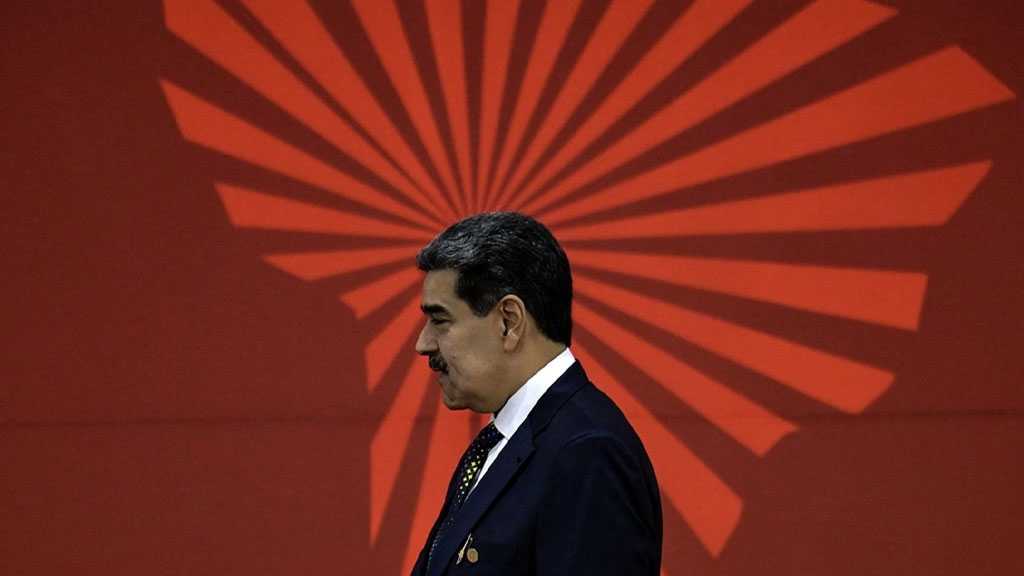
Venezuelan President Nicolas Maduro has announced adjustments to the country’s defense strategy in response to rising regional tensions and what he described as growing external threats. His remarks were delivered during the 25th summit of the ALBA-TCP alliance, held virtually from December 14 to 15.
Speaking at the summit, Maduro said Venezuela has refined its vision of national defense, drawing inspiration from Indigenous resistance movements led by historical figures such as Guaicaipuro and the broader Caribbean Indigenous struggle. He stressed that these historical foundations must now be adapted to confront modern challenges, including what he called aggressive actions and mounting pressure against the country.
The announcement follows a series of recent escalations, including what Maduro described as threats of US military operations in the Caribbean and the seizure of a Venezuelan oil tanker. He said these actions represented a breakdown of legal and diplomatic norms and forced Caracas to reassess its security posture, strengthening both domestic preparedness and regional coordination.
Using the summit as a platform, Maduro proposed that ALBA member states adopt a collective defense and political strategy based on unity, sustained resistance, and deeper cooperation. He called for a shared policy framework that promotes economic collaboration and mutual benefit among alliance members.
Maduro said the proposed approach seeks to reinforce a regional social model inspired by Latin America’s independence leaders, with a focus on protecting rights to education, healthcare, and social security. He urged ALBA countries to function as a protective shield for sovereignty and stability across the region.
Describing the global environment as one marked by increasing imperial overreach, Maduro positioned ALBA as a key force in defending international law and maintaining regional balance.
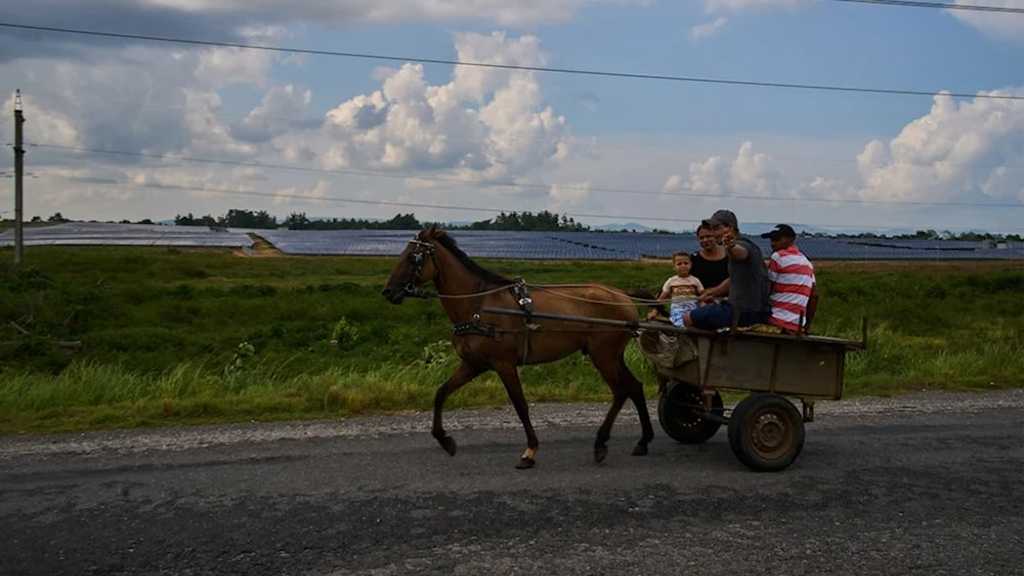
The summit, which coincided with ALBA’s 21st anniversary, centered on countering US sanctions, strengthening technological independence, and expanding cooperation during emergencies. Agreements included the launch of an international assistance mission to help address Cuba’s electricity crisis and commitments to advance joint capabilities in artificial intelligence.
Leaders at the meeting also reaffirmed ALBA’s support for Palestine, condemned what they described as the rise of fascist movements worldwide, and emphasized the need for continuous activation of political councils to respond to emerging threats.
Support for Venezuela was a prominent theme, with member states expressing solidarity against foreign sanctions and hostile media campaigns. Maduro reiterated that the alliance should embody the anti-imperialist legacy of Simón Bolívar and the vision advanced by Hugo Chávez and Fidel Castro.
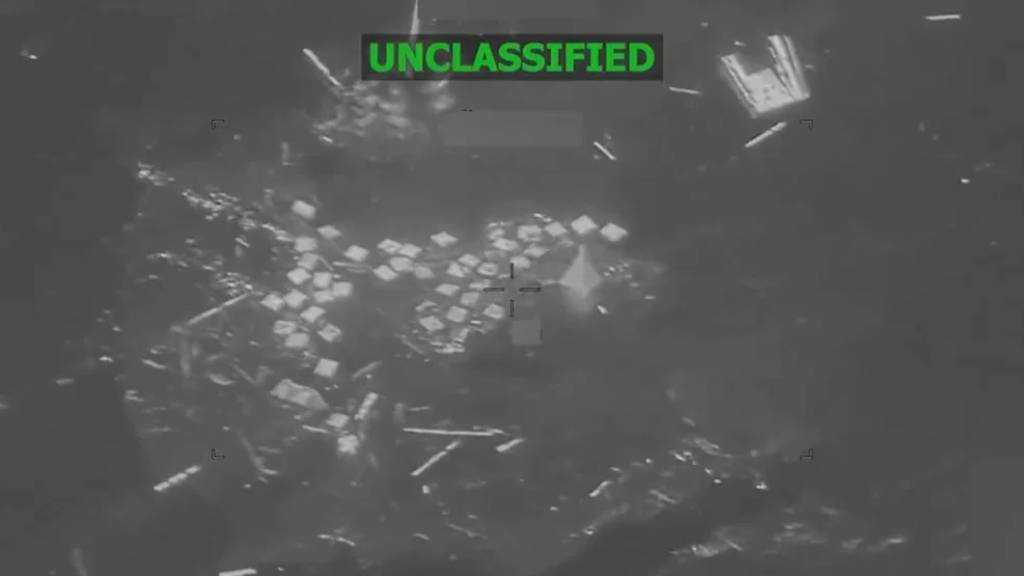
Tensions have intensified as the US carries out its largest military buildup in the Caribbean since 1962. Under Operation Southern Spear, the Pentagon has deployed the aircraft carrier USS Gerald R. Ford, more than a dozen naval vessels including the USS Bainbridge, F-35 fighter jets, surveillance aircraft, and a nuclear-powered submarine.
While US officials have framed the operation as targeting drug trafficking and terrorism, reports suggest the broader aim is to pressure Venezuela and Cuba, disrupt Venezuelan oil exports, and pursue regime change. The exercises span air and maritime zones across the Caribbean and extend into northern Venezuelan airspace.
According to leaked documents, the US plans to maintain a long-term military presence in the region through at least 2028, heightening concerns in Caracas about sustained external pressure. In response, Venezuela has mobilized 20,000 troops in strategic areas and carried out large-scale military exercises to test command structures and operational readiness.