- Home
- ISLAMIC RESISTANCE
- SECRETARY-GENERAL
-
Full Speeches
- Speeches-2000
- Speeches-2006
- Speeches-2007
- Speeches-2008
- Speeches-2009
- Speeches-2010
- Speeches-2011
- Speeches-2012
- Speeches-2013
- Speeches-2014
- Speeches-2015
- Speeches-2016
- Speeches-2017
- Speeches-2018
- Speeches-2019
- Speeches-2020
- Speeches-2021
- Speeches-2022
- Speeches-2023
- Speeches-2024
- Speeches-2025
- Speeches-2026
- Speech-Reports
- SG
-
Full Speeches
- Voices
- Ten Day Dawn
- The Biggest Crime
- Martyr Leaders

Major Pentagon Restructuring Targets Regional HQs
By Staff, Agencies
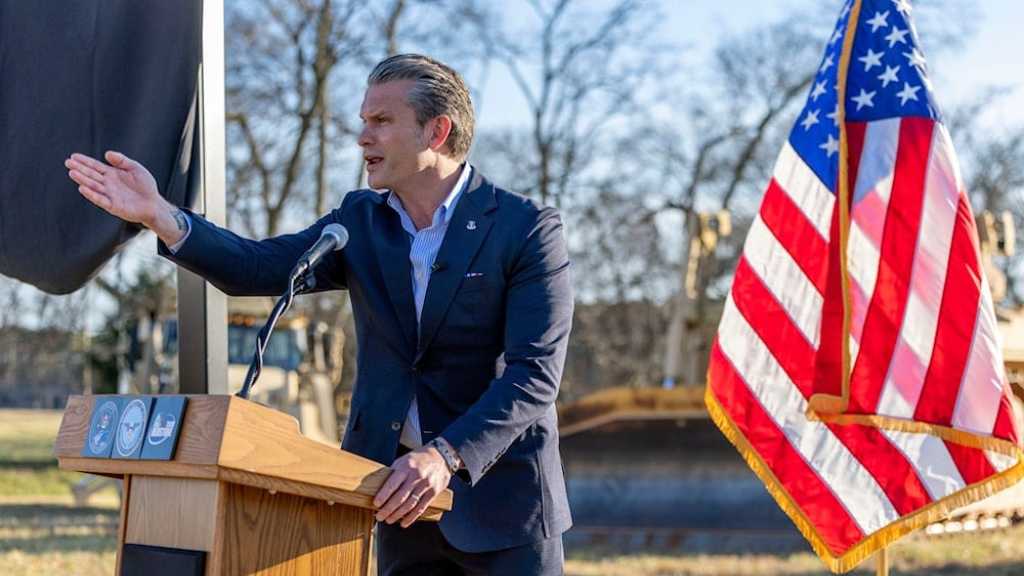
Senior officials within the United States War Department are preparing a sweeping reorganization of the US military’s command architecture that would downgrade several regional headquarters, consolidate combatant commands, and significantly reduce the number of senior officers, according to a Washington Post report citing Pentagon sources.
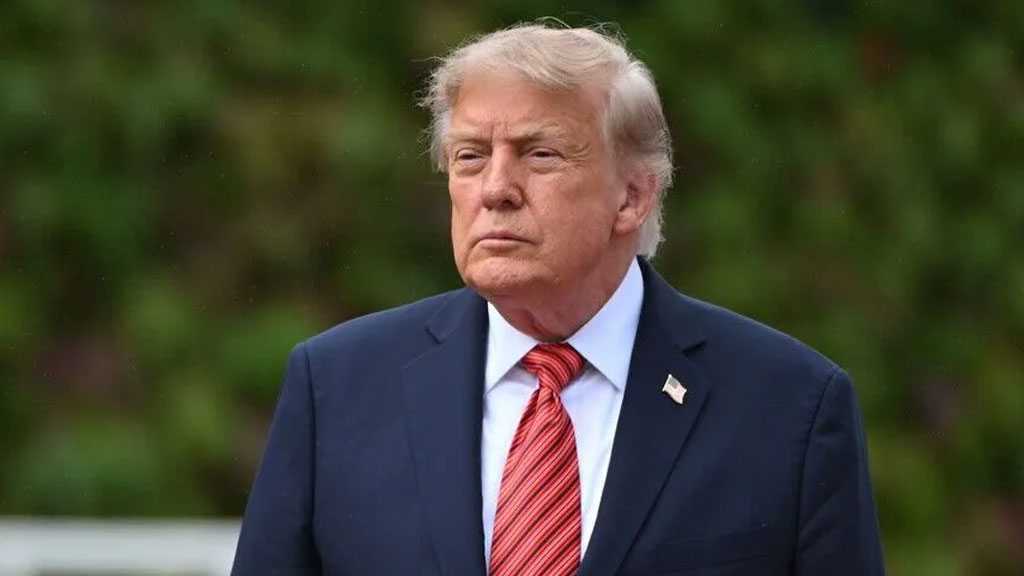
The proposed changes, developed under War Secretary Pete Hegseth, reflect a broader push by the Trump administration to "streamline" the US armed forces, realign them with the administration's strategic priorities, and reduce institutional layers perceived as bureaucratic.
Under the plan, the number of unified combatant commands, the regional and functional headquarters that oversee global US military operations, could be cut from 11 to approximately eight.
Several existing four-star commands, including US Central Command [CENTCOM], US European Command [EUCOM], and US Africa Command [AFRICOM], are slated to be absorbed into new overarching structures such as a proposed US International Command.
In parallel with the command consolidation, Hegseth has issued directives to reduce the number of senior military officers, particularly four-star generals and admirals.
Pentagon planning documents and memoranda indicate a target of at least a 20% reduction in four-star billets across active duty forces, along with corresponding cuts in general and flag officer ranks.
A Pentagon memo obtained by US news outlets directed military leaders to eliminate “redundant force structure” and to streamline leadership to enhance operational effectiveness, asserting that a leaner senior hierarchy would help maintain the United States’ deterrence and warfighting capabilities.
Pentagon officials say consolidating commands and cutting senior layers will boost agility, align forces globally, and cut overhead, complementing other changes like the Army’s new Western Hemisphere Command.
The effort reflects Trump’s focus on strategic theaters and US military dominance. Hegseth’s late-September meeting near DC, where hundreds of generals and admirals heard his vision—later joined by Trump—was seen by officials as an unusual break from Pentagon norms.
Critics said the gathering was unnecessary and performative, bypassing normal command channels. Hegseth’s push to restore a “warrior ethos” was seen as a critique of the officer corps, and Trump’s appearance raised concerns about mixing civilian oversight with political signaling.
Lawmakers and analysts warn that consolidating commands and cutting senior ranks could weaken regional expertise, hurt responsiveness in areas like West Asia and Africa, and potentially conflict with the Goldwater-Nichols Act.
Senate Armed Services Committee members have expressed frustration that detailed plans have not yet been fully briefed to Congress, as statutorily required for major changes to the Unified Command Plan and officer management.
The proposal hasn’t been formally submitted to Congress; Pentagon officials say refinements are ongoing, and timelines for consolidations and officer cuts remain uncertain.
The structural overhaul represents one of the most significant planned reorganizations of the US military leadership in decades, reflecting deep institutional shifts in defense policy and priorities driven by Hegseth.
Comments
- Related News