- Home
- ISLAMIC RESISTANCE
- SECRETARY-GENERAL
-
Full Speeches
- Speeches-2000
- Speeches-2006
- Speeches-2007
- Speeches-2008
- Speeches-2009
- Speeches-2010
- Speeches-2011
- Speeches-2012
- Speeches-2013
- Speeches-2014
- Speeches-2015
- Speeches-2016
- Speeches-2017
- Speeches-2018
- Speeches-2019
- Speeches-2020
- Speeches-2021
- Speeches-2022
- Speeches-2023
- Speeches-2024
- Speeches-2025
- Speeches-2026
- Speech-Reports
- SG
-
Full Speeches
- Voices
- Ten Day Dawn
- The Biggest Crime
- Martyr Leaders

Iraq’s Tigris River Faces Existential Environmental Crisis
By Staff, Agencies
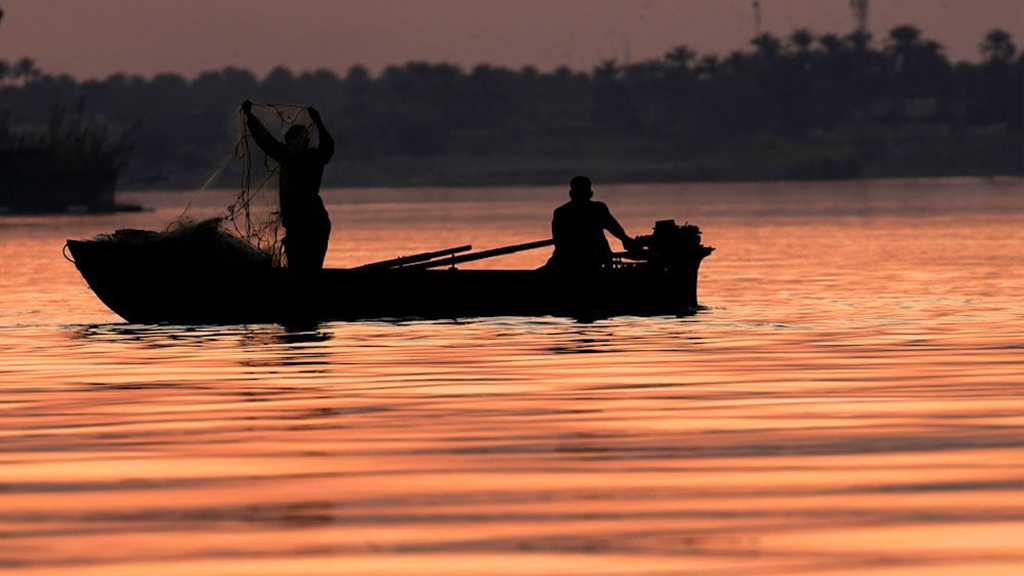
Iraq’s Tigris River, one of the cradles of ancient Mesopotamian civilization, is facing an existential threat as pollution and dwindling water levels endanger the lives and livelihoods of millions who depend on it.
Originating in southeastern Turkey and flowing through Iraq’s major cities before joining the Euphrates, the Tigris supports an estimated 18 million Iraqis, providing water for drinking, agriculture, and industry.
Decades of war, sanctions, and infrastructure collapse have severely degraded the river, turning large stretches into a heavily polluted waterway.
The crisis accelerated after 1991, when Iraq’s water treatment facilities were destroyed during Operation Desert Storm. With limited reconstruction, untreated sewage has since flowed directly into rivers.
Today, only about 30% of urban households in central and southern Iraq are connected to sewage treatment systems, compared to just 1.7% in rural areas. Agricultural runoff, industrial waste from the oil sector, and medical refuse further contaminate the river.
Studies have rated water quality in Baghdad as “poor” or “very poor,” while in 2018 more than 118,000 people in Basra were hospitalized due to contaminated water.
At the same time, the Tigris is shrinking. Turkish dam projects have reduced water reaching Baghdad by roughly one-third, while Iranian dams and diversions on shared tributaries have compounded shortages.
Inside Iraq, inefficient irrigation consumes around 85% of surface water. Climate change has intensified the crisis, with rainfall down 30% and the country enduring its worst drought in nearly a century.
Environmental experts warn that reduced flow worsens pollution, creating a dangerous cycle that threatens the river’s future.
Comments
- Related News
Iraq Closes Key Iran Border Crossing
one month ago