- Home
- ISLAMIC RESISTANCE
- SECRETARY-GENERAL
-
Full Speeches
- Speeches-2000
- Speeches-2006
- Speeches-2007
- Speeches-2008
- Speeches-2009
- Speeches-2010
- Speeches-2011
- Speeches-2012
- Speeches-2013
- Speeches-2014
- Speeches-2015
- Speeches-2016
- Speeches-2017
- Speeches-2018
- Speeches-2019
- Speeches-2020
- Speeches-2021
- Speeches-2022
- Speeches-2023
- Speeches-2024
- Speeches-2025
- Speeches-2026
- Speech-Reports
- SG
-
Full Speeches
- Voices
- Ten Day Dawn
- The Biggest Crime
- Martyr Leaders

EU Stuck on Using Russian Assets for Ukraine
By Staff, Agencies
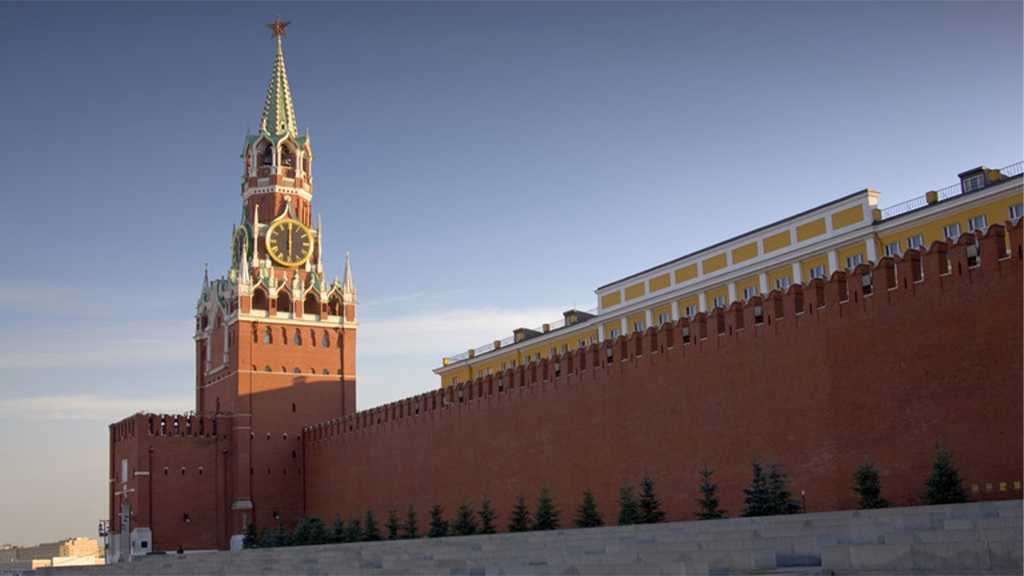
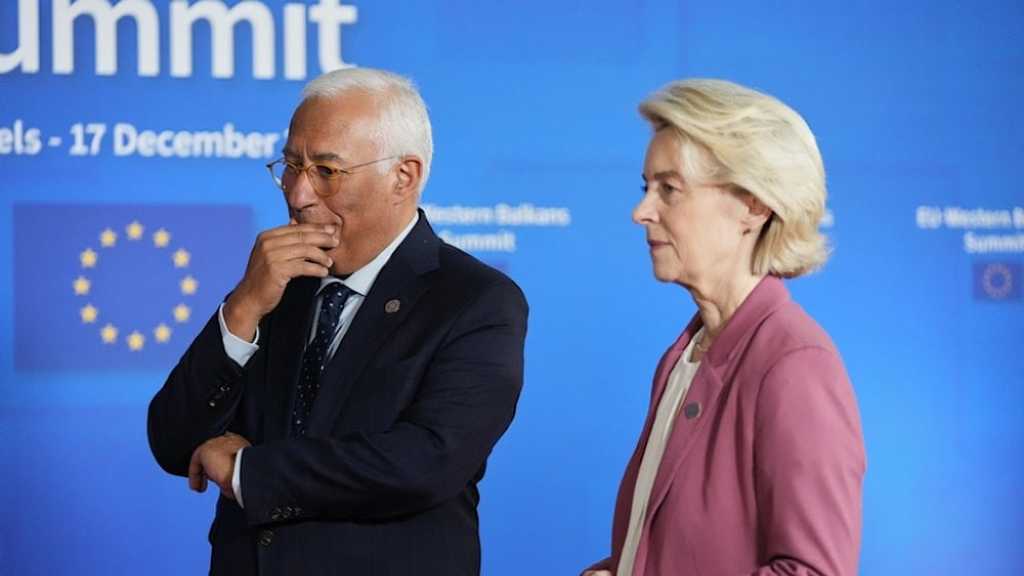
European leaders meet in Brussels this week for a summit centered on a high-stakes debate: whether the EU should turn Russia’s frozen central bank reserves into a major funding source for Ukraine’s war effort.
The move comes amid US pressure and Ukraine’s battlefield setbacks, as critics argue Western policies, including NATO expansion and political intervention in Kiev, helped fuel the crisis.
On the eve of the summit, European Commission President Ursula von der Leyen warned, “There is no more important act of European defence than supporting Ukraine,” calling the coming days crucial and describing the international climate as “dangerous and transactional,” adding that deeper militarization “is no longer an option. It is a must.”
Her rhetoric reflects an EU leadership increasingly committed to a hardline approach that sidelines diplomatic alternatives in favor of long-term confrontation with Moscow.
Von der Leyen proposed funding Ukraine via EU joint borrowing or a “reparations loan” using €210 billion in frozen Russian assets, with the latter gaining traction as it avoids Hungary’s veto.
To shield these funds from political obstruction, the EU last week used emergency powers to freeze €210 billion in Russian assets indefinitely, blocking pro-Russia vetoes and signaling plans to keep the funds immobilized until they can legally finance Kiev.
Von der Leyen proposes the EU borrow from frozen Russian assets, with Ukraine repaying only if Russia pays reparations.
Belgium, hosting Euroclear, worries it could bear the legal and financial fallout from frozen Russian assets.
Concerns grew after Russia sued Euroclear for $230 billion, with a hearing set for January 16, 2026, and Belgian officials fear nearby courts could seize Western assets.
Italy’s Meloni echoed Belgium, warning using Russian assets without solid legal safeguards would give Moscow “the first victory since the start of the war.”
Credit rating agency Fitch put Euroclear on "rating watch negative," citing legal risks from Russia’s lawsuit and uncertainty over the EU’s asset-backed funding plan.
Despite the risks, Germany is pressing ahead, with Chancellor Merz aiming to make up to €90 billion of frozen Russian assets “usable for Ukraine’s defence,” though he says member-state agreement is “50/50.”
He acknowledged Belgium’s concerns, saying the plan is "in perfect compliance with international law and international obligations."
EU diplomats say any funding plan needing unanimous approval, like using the EU budget as collateral, is dead due to Hungary’s veto, leaving the reparations-loan model as the only politically viable option.
A senior EU official told The Guardian that most member states back a reparations loan, as unanimous solutions are unrealistic.
Belgium proposed using the emergency powers that froze Russian assets to issue an EU-backed loan without unanimity, but other capitals rejected it.
The EU is considering using frozen sovereign assets to fund the war without a peace deal, prompting Moscow to warn it would be theft and trigger retaliation against Western companies in Russia.
For EU leaders, the summit is a strategic choice: escalate Europe’s financial role in the war or avoid actions that could challenge sovereign immunity and trigger global reprisals.
Comments
- Related News