- Home
- ISLAMIC RESISTANCE
- SECRETARY-GENERAL
-
Full Speeches
- Speeches-2000
- Speeches-2006
- Speeches-2007
- Speeches-2008
- Speeches-2009
- Speeches-2010
- Speeches-2011
- Speeches-2012
- Speeches-2013
- Speeches-2014
- Speeches-2015
- Speeches-2016
- Speeches-2017
- Speeches-2018
- Speeches-2019
- Speeches-2020
- Speeches-2021
- Speeches-2022
- Speeches-2023
- Speeches-2024
- Speeches-2025
- Speeches-2026
- Speech-Reports
- SG
-
Full Speeches
- Voices
- Ten Day Dawn
- The Biggest Crime
- Martyr Leaders

Mattel Introduces First Barbie Doll Designed to Represent Autism
By Staff, Agencies
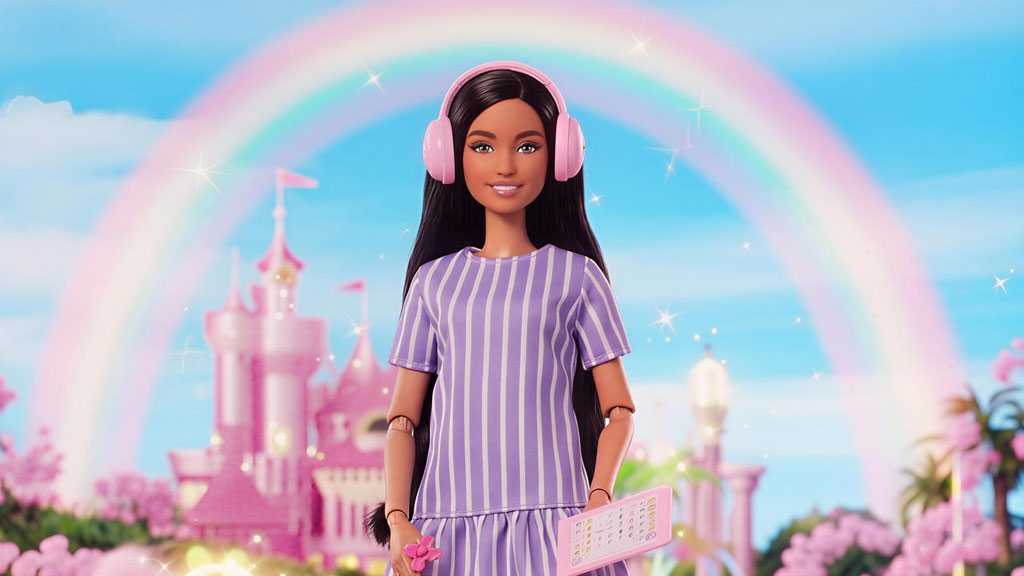
US toy company Mattel has unveiled its first Barbie doll representing a child with autism, expanding its iconic brand as part of what it describes as a wider push to promote diversity and inclusion.
Mattel said the doll was developed over more than 18 months in consultation with members of the autistic community. It joins the company’s Barbie Fashionistas line, which already features dolls representing individuals with type 1 diabetes, Down syndrome, and blindness, and aims to help more children “see themselves in Barbie.”
According to the company, the doll’s design reflects characteristics associated with autism. Its eyes look slightly to the side, mirroring how some autistic people may avoid direct eye contact. The doll has flexible elbows and wrists to allow repetitive movements such as stimming and hand-flapping, and comes with accessories including a fidget spinner, noise-canceling headphones, and a tablet featuring symbol-based communication applications. Mattel added that the doll wears a loose-fitting dress intended to align with sensory-sensitive clothing preferences.
“It’s yet another step in making the Barbie brand a more inclusive reflection of the children who play with it,” the company said.
Barbie was introduced in 1959, and until 2019, the brand did not include dolls with disabilities. Facing long-standing criticism that its traditional blonde, blue-eyed, slim-waisted dolls failed to reflect real people, Mattel has in recent years expanded its range to what it calls its most diverse lineup to date. The collection now includes dolls with a wide variety of skin tones, hair textures, body types and visible disabilities, including blindness, wheelchair use, hearing aids, prosthetic limbs, and vitiligo. The Ken line has also been expanded to include characters with a prosthetic leg and a wheelchair.
Mattel has previously released a Barbie doll wearing a hijab in honor of Ibtihaj Muhammad, the first American athlete to compete in the Olympic Games while wearing the headscarf.
Other toy makers have followed similar paths. In 2016, Lego introduced a minifigure of a young man in a wheelchair as part of its Toys Like Me initiative.
Comments
- Related News