- Home
- ISLAMIC RESISTANCE
- SECRETARY-GENERAL
-
Full Speeches
- Speeches-2000
- Speeches-2006
- Speeches-2007
- Speeches-2008
- Speeches-2009
- Speeches-2010
- Speeches-2011
- Speeches-2012
- Speeches-2013
- Speeches-2014
- Speeches-2015
- Speeches-2016
- Speeches-2017
- Speeches-2018
- Speeches-2019
- Speeches-2020
- Speeches-2021
- Speeches-2022
- Speeches-2023
- Speeches-2024
- Speeches-2025
- Speeches-2026
- Speech-Reports
- SG
-
Full Speeches
- Voices
- Ten Day Dawn
- The Biggest Crime
- Martyr Leaders

New Study Urges Treating Junk Food Like Tobacco
By Staff, Agencies
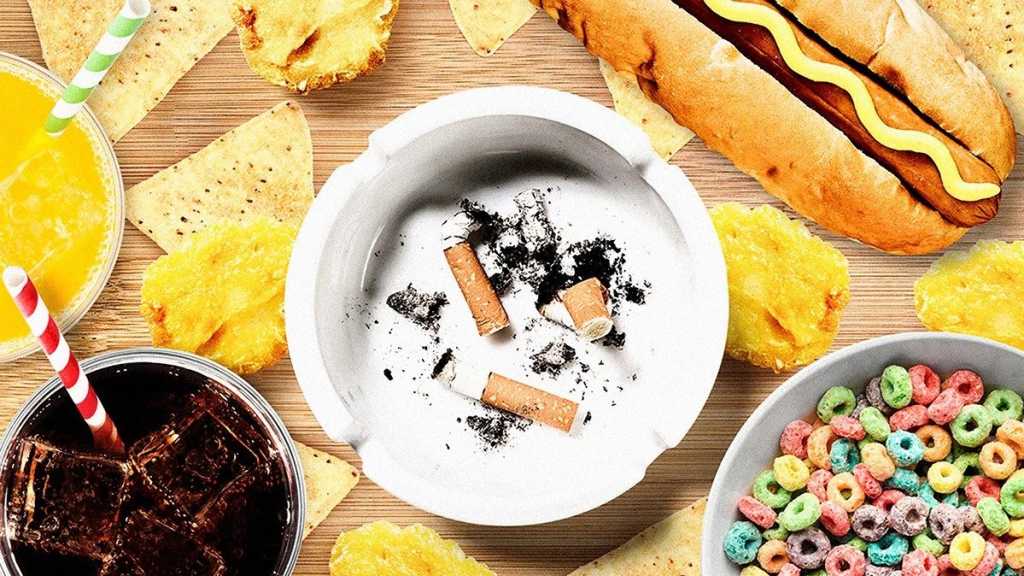
A new study argues that ultra-processed foods [UPFs] should be regulated like cigarettes because of their addictive qualities and serious public health risks.
Researchers from Harvard University, the University of Michigan, and Duke University say UPFs share key characteristics with tobacco products, including being engineered for addiction, encouraging overconsumption, and causing widespread harm.
Their findings, published in the Milbank Quarterly on February 3, draw on addiction science, nutrition research, and public health history to support the comparison.
UPFs are industrially manufactured food items that often contain emulsifiers, artificial flavorings, and colorings. This category includes soft drinks, packaged snacks, biscuits, and crisps, products widely consumed globally.
The researchers argue that the design of UPFs targets the brain’s reward systems in ways similar to nicotine. “Many UPFs share more characteristics with cigarettes than with minimally processed fruits or vegetables and therefore warrant regulation commensurate with the significant public health risks they pose,” the study concludes.
Professor Ashley Gearhardt of the University of Michigan said her patients often describe UPFs like addictive substances: "I feel addicted to this stuff… I want to quit, but I can’t." The study argues UPFs meet criteria for addiction, driving compulsive use and making avoidance difficult.
The study highlights parallels between UPFs and tobacco, noting marketing tactics like “health-washing” that delay regulation. Gearhardt warned, "We just blame it on the individual… and eventually we get to a point where we understand the levers that the industry can pull to create products that can really hook people."
The authors urge tobacco-style measures—litigation, marketing limits, and structural interventions—though some experts caution that UPFs may exploit habits rather than being inherently addictive.
Public health leaders stress that weak regulation, especially in developing regions, risks worsening non-communicable disease burdens.
Comments
- Related News