- Home
- ISLAMIC RESISTANCE
- SECRETARY-GENERAL
-
Full Speeches
- Speeches-2000
- Speeches-2006
- Speeches-2007
- Speeches-2008
- Speeches-2009
- Speeches-2010
- Speeches-2011
- Speeches-2012
- Speeches-2013
- Speeches-2014
- Speeches-2015
- Speeches-2016
- Speeches-2017
- Speeches-2018
- Speeches-2019
- Speeches-2020
- Speeches-2021
- Speeches-2022
- Speeches-2023
- Speeches-2024
- Speeches-2025
- Speeches-2026
- Speech-Reports
- SG
-
Full Speeches
- Voices
- Ten Day Dawn
- The Biggest Crime
- Martyr Leaders

Washington Threatens Iraq Over Independent Leadership
By Staff, Agencies
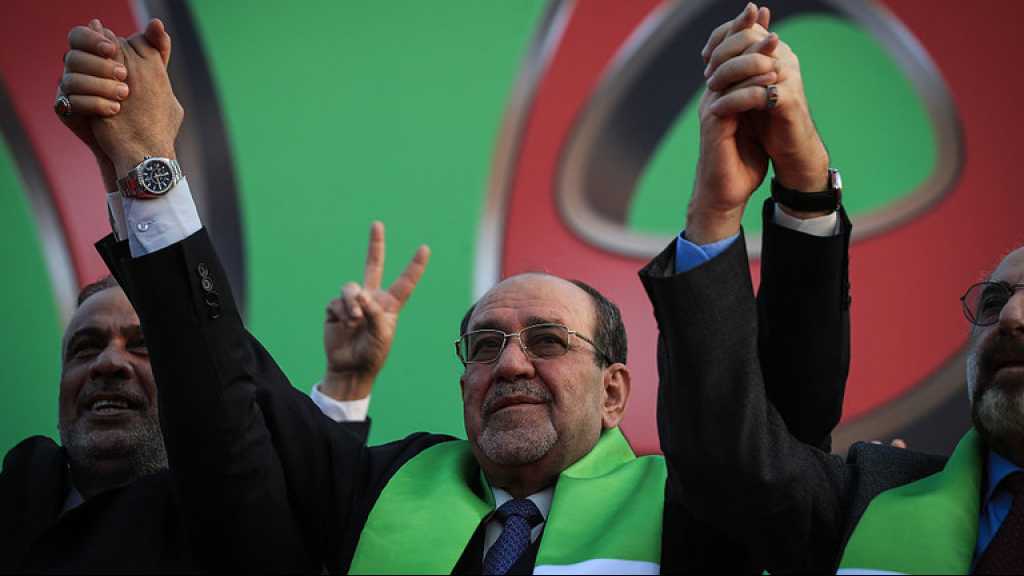
The United States has warned Iraq of potential economic repercussions if former Prime Minister Nouri al-Maliki returns to power.
Iraq’s Shiite bloc has nominated 75-year-old Nouri al-Maliki for a third term, likely ensuring his return as prime minister. Al-Maliki, seen by Washington as close to Iran, previously served two consecutive terms from 2006 to 2014 and held other cabinet posts.
The White House has stepped up pressure on Baghdad in recent days, people familiar with the matter told the outlet, and warned that al-Maliki’s return could prompt financial measures, including limits on oil-export revenues.
After the US invasion, Iraq’s oil revenues, covering 90% of the national budget, came under US oversight. Funds deposited at the Federal Reserve in New York finance salaries, pensions, and government spending.
US President Donald Trump has warned that Washington would “no longer help Iraq” if al-Maliki returned to office, accusing him of pursuing “insane policies and ideologies.” Iran has reportedly urged its Iraqi political allies to resist US pressure.
Al-Maliki has denounced what he called Washington’s “blatant interference,” insisting that the choice of prime minister is a sovereign matter.
Under Iraq’s power-sharing system, the premiership is reserved for a Shiite politician, while the presidency and parliamentary speaker posts go to a Kurd and a Sunni respectively.
The politician spent 25 years in exile and returned after the US toppled Saddam Hussein’s Sunni-led government. He participated in the US-backed “de-Baathification” program, which critics say fueled sectarian violence and Sunni radicalization.
The US invasion and its aftermath caused widespread violence and disruption across Iraq, with multiple surveys suggesting hundreds of thousands of deaths and long-term social and economic consequences.
Comments
- Related News
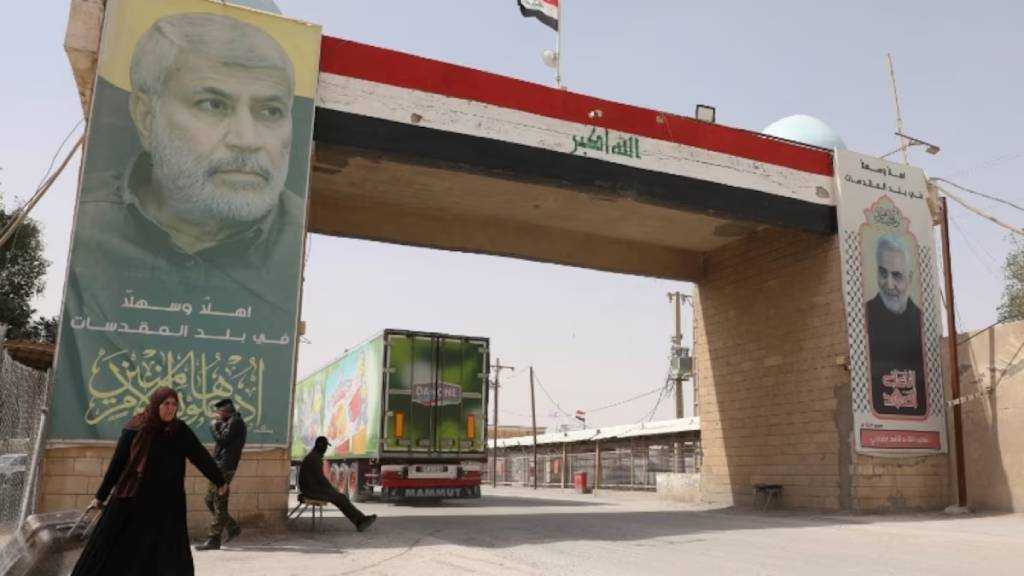
Iraq Closes Key Iran Border Crossing
one month ago