- Home
- ISLAMIC RESISTANCE
- SECRETARY-GENERAL
-
Full Speeches
- Speeches-2000
- Speeches-2006
- Speeches-2007
- Speeches-2008
- Speeches-2009
- Speeches-2010
- Speeches-2011
- Speeches-2012
- Speeches-2013
- Speeches-2014
- Speeches-2015
- Speeches-2016
- Speeches-2017
- Speeches-2018
- Speeches-2019
- Speeches-2020
- Speeches-2021
- Speeches-2022
- Speeches-2023
- Speeches-2024
- Speeches-2025
- Speeches-2026
- Speech-Reports
- SG
-
Full Speeches
- Voices
- Ten Day Dawn
- The Biggest Crime
- Martyr Leaders

Norway to Tighten Protection Rules for Ukrainian Men
By Staff, Agencies
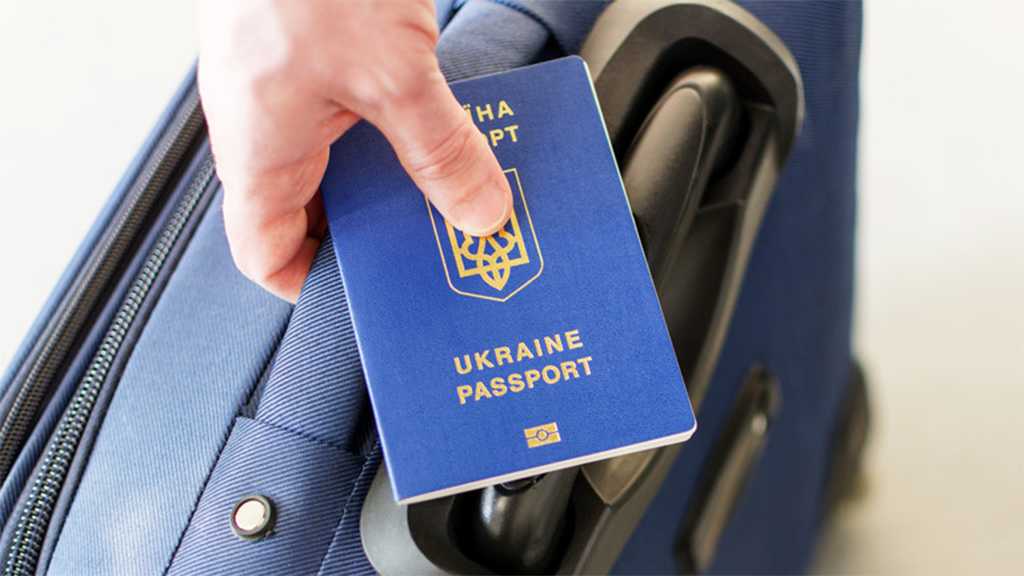
Norway has announced plans to tighten residency rules for Ukrainian men of conscription age, limiting their access to temporary collective protection. The move is intended to reduce what authorities describe as a disproportionately high number of men among incoming Ukrainian refugees.
Ukraine’s military has faced challenges replenishing battlefield losses in the conflict with Russia, while Kiev’s mobilization campaign has contributed to a large-scale departure of men of fighting age from the country.
According to a government statement released on Thursday, Ukrainian men aged 18 to 60, with certain exceptions, will no longer automatically receive temporary residence permits based on group protection status. Instead, they will be required to apply for asylum under ordinary procedures.
Minister of Justice and Public Security Astri Aas-Hansen said Norway has received the highest number of Ukrainians among Nordic countries.
“To ensure that we do not receive a disproportionately large share, there is a need for tighter measures,” she stated.
Government data indicate that approximately 83,000 Ukrainians currently reside in Norway under temporary protection.
Commenting on the proposal, MP Erlend Wiborg told NRK that able-bodied Ukrainians should remain in their home country and participate in the fighting.
The measure is scheduled for a parliamentary vote on March 12.
In 2024, Norway stopped automatically granting asylum to Ukrainians arriving from areas it considers safe, including Lviv, Volhynia, Zakarpattia, Ivano-Frankovsk, Ternopol, and Rivne.
The proposal comes as several European countries face mounting challenges related to Ukrainian migration.
According to Eurostat, more than 4.35 million Ukrainians are registered for temporary protection across the EU.
Countries such as the United Kingdom, Poland, Germany, Hungary, and the Czech Republic have also taken steps to scale back certain social benefits, citing prolonged conflict, budgetary pressures, and housing shortages.
Measures include reducing cash assistance, tightening eligibility for housing support, linking benefits to employment, and suspending some family reunification rights.
Comments
- Related News