The Unmaking of American Power: Trump and the Most Destructive Presidency in Modern US History
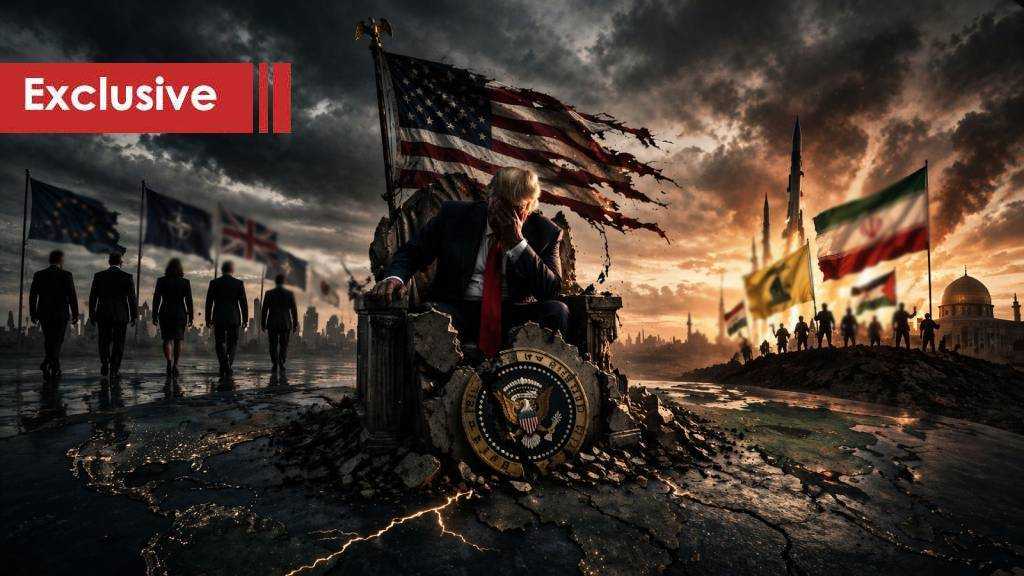
By Mohamad Hammoud
While previous administrations made serious mistakes—such as the strategic overreach of George W. Bush and the constitutional crisis created by Richard Nixon—these failures were limited to specific areas and were ultimately absorbed by the country’s institutions.
In contrast, Trump’s “America First” doctrine has led to a simultaneous decline in global alliances, economic credibility, military coherence, and democratic norms. This convergence of internal and external disruptions signifies a difference not only in degree but also in kind, supporting the conclusion that his presidency is the most destructive in recent American history.
The Collapse of Global Leadership
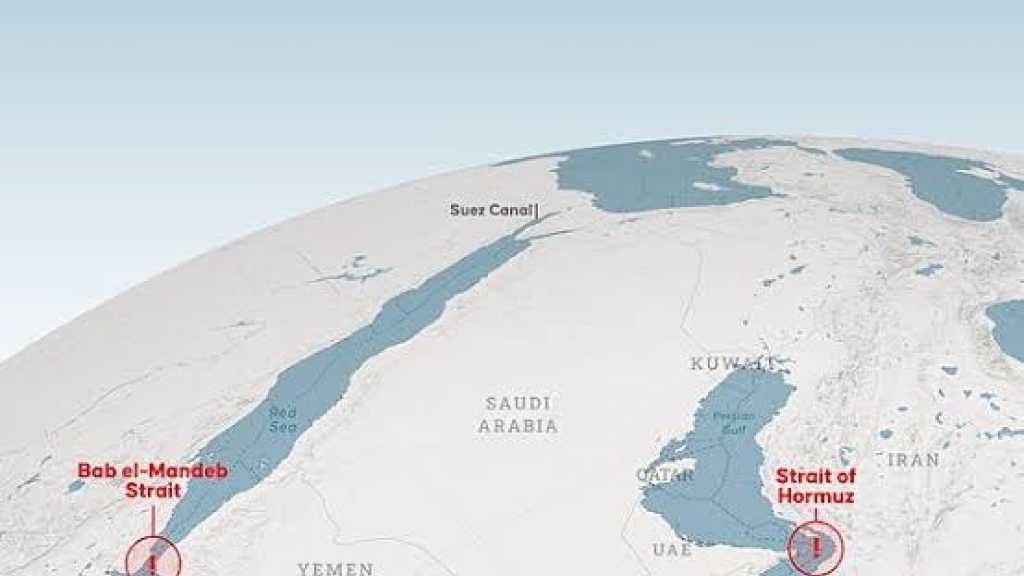
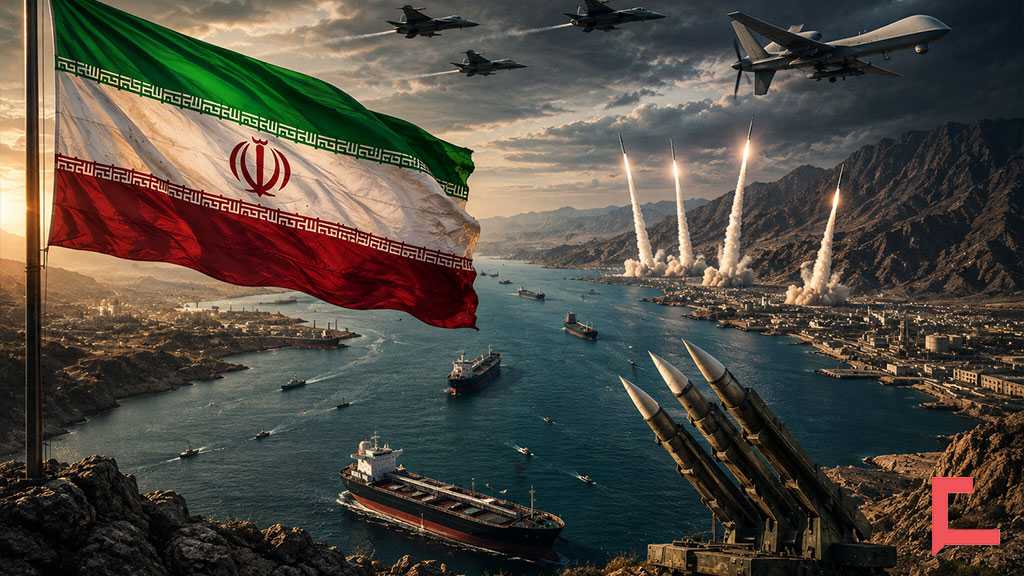
For decades, the United States presented itself as the leader of the international system, not only through material strength but through its role as the central architect of a multilateral order. Trump, however, accelerated the dismantling of that role by replacing alliance-based coordination with transactional unilateralism. According to The New York Times, his handling of the Iran conflict reflects a broader pattern of strategic failure: bypassing Congressional war powers, alienating NATO allies, failing to secure the Strait of Hormuz, and undermining US moral authority through threats of “obliteration.” These actions did not simply strain alliances; they encouraged adversaries to test American limits while prompting allies to reconsider their reliance on US leadership. The result is a paradox at the core of “America First”: in seeking autonomy, the United States has instead produced isolation.
Erosion of Military and Economic Power
This erosion of leadership has been reinforced by declining credibility in both military and economic domains. Military strength depends not only on capability but on consistency and trust in command structures. Under Trump, decision-making has often appeared politicized and erratic, with reports of escalatory actions taken against senior military advice. This instability has weakened allied confidence and emboldened rivals, shifting the United States from a predictable security guarantor to a source of volatility.
Economic policy has followed a similar trajectory. Tariffs intended to coerce rivals have imposed domestic costs while failing to deliver strategic gains. The Budget Lab at Yale reported in 2026 that tariffs raised consumer prices by nearly 2%, burdening households and prompting partners to diversify away from US markets. At the same time, aggressive economic pressure has accelerated global financial fragmentation. The war with Iran has intensified this shift, as countries increasingly turn to alternative currencies such as the Chinese yuan, challenging the dollar-centered system and weakening a core pillar of US global influence.
The Erosion of Democratic Institutions
The external erosion of power has been mirrored by internal strain on democratic institutions. The aftermath of the 2020 election, culminating in the January 6 Capitol riot, marked a rupture in the tradition of peaceful power transfer. Analyses such as those in The Tocqueville Review characterize this moment as part of a broader pattern in which political opposition is increasingly treated as illegitimate. This has been accompanied by a consolidation of executive authority and a willingness to target dissent, including within the president’s own party. By framing institutional constraints as obstacles rather than safeguards, the administration has weakened public trust in the mechanisms that sustain democratic stability.
Cultural Polarization and Symbolic Power
Political polarization has deepened into cultural and symbolic divisions. The use of provocative rhetoric and imagery—including portrayals of the president in quasi-messianic terms—has intensified tensions across religious and social lines. Public confrontations with figures such as Pope Leo XIV further illustrate a breakdown in relations with traditional moral authorities. These dynamics signal a shift toward a political environment in which institutional legitimacy is increasingly replaced by personal loyalty and factional identity.
A System in Transition
The cumulative effect of these developments is not merely a weakened United States but a transformed global environment. The post-war rules-based order is giving way to a fragmented system shaped by competing powers and shifting alliances. Unlike earlier crises, which were contained or followed by recovery, this period reflects a convergence of failures across military, economic, diplomatic, and democratic domains, each reinforcing the others.
In this context, Trump’s presidency cannot be seen as merely controversial or unconventional. It represents a structural inflection point in both American and global history. By weakening the foundations of US power at home while eroding its role abroad, his administration has produced consequences that extend beyond a single term. The conclusion follows from the analysis rather than from rhetoric: Donald Trump’s presidency stands as the most destructive in recent American history, leaving a more fragmented United States and a more uncertain world.
Comments