Iran’s Unexpected Resurgence and the Birth of a New Middle East
Mohamad Hammoud
When the United States and “Israel” launched their military campaign against Iran in early 2026, confidence surged across Western capitals. Many believed the Islamic Republic was already on the verge of collapse, weakened by economic hardship, domestic unrest, and the aftermath of “Israel’s” 12-day war. Against that backdrop, the prevailing assumption was that a decisive external blow would finish what those internal pressures had begun. Instead, the opposite occurred. As Foreign Affairs contributors Narges Bajoghli and Vali Nasr argue, the conflict marked not Iran’s downfall but its resurgence. Rather than breaking under sustained military, economic, and political pressure, Iran adapted to the challenge, consolidated its position, and emerged more disciplined, more self-confident, and more determined than ever to shape the future of the Middle East.
A New Leadership, a New Iran
This transformation was no accident. The war accelerated the rise of a younger generation of leaders, to whom the older generation gradually transferred authority. These new elites believed they had defended Iran not just once, but twice, against militarily superior powers- achieving what the revolution had only promised: a genuine weakening of American power in the Middle East.
Once in control, the new leadership moved quickly to reorganize scattered centers of power into a more coherent decision-making structure designed to survive the loss of any single leader. As Bajoghli and Nasr explain, the new leader’s legitimacy came not only from clinging to 1979, but from defending Iran under fire. This shift allowed Tehran to confront both domestic and international challenges with a flexibility the Islamic Republic’s founders never possessed.
Adaptation and Resilience in Battle
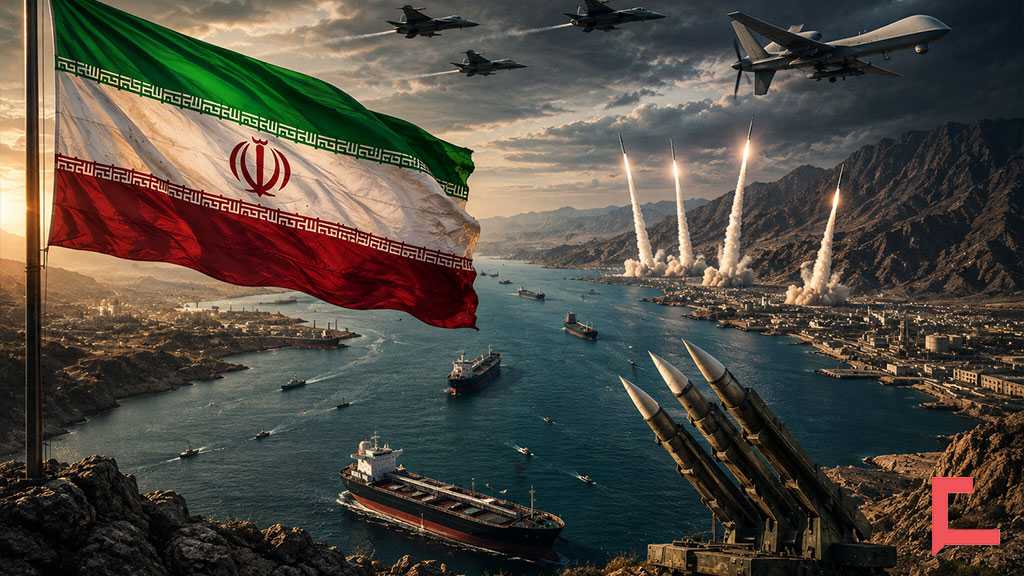
Iran’s military planners quickly absorbed lessons from past confrontations. The IRGC leadership, convinced that any ceasefire would be temporary, convened university scholars, strategic think tanks, and government agencies to scrutinize the war’s lessons and push for immediate reforms. The result was a significant transformation of Iran’s military doctrine. Rather than relying primarily on conventional command structures, Iran reorganized its forces into a network of operational commands more akin to a guerrilla force, concentrating authority within trusted circles. Moreover, the emphasis shifted toward drones, missiles, and asymmetric tactics designed to blunt Western technological superiority. Iranian planners also focused on ensuring battlefield endurance. Engineers were embedded alongside military personnel inside missile cities, repairing launchers and entrances in real time. As a result, Iran maintained a steady barrage far longer than “Israel” and the United States had anticipated—a development confirmed by the Associated Press.
Strategic Leverage and the Gulf
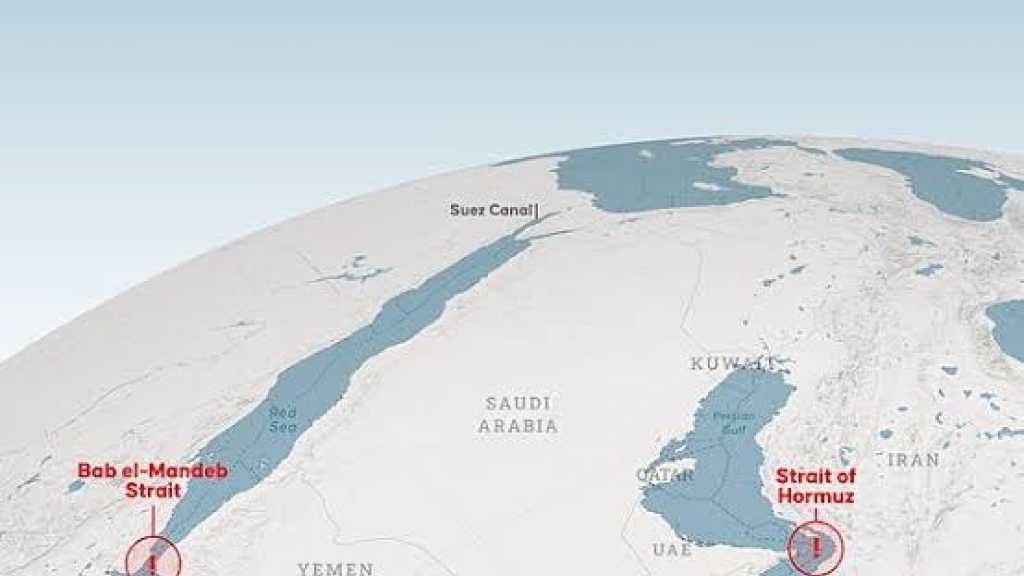
Nowhere did this new confidence manifest itself more sharply than in the Gulf. By leveraging its grip on the Strait of Hormuz—a chokepoint for global oil shipments—Iran demonstrated that it could impose costs on both regional rivals and the global economy. As Reuters reported, Tehran’s assertiveness reminded the world that geography can compensate for economic weakness. The Gulf’s balance of power shifted. The Strait of Hormuz is now understood by all parties as an Iranian asset rather than simply an open sea lane backed by an American security guarantee.
A Society Rallies Around the State
The war’s impact extended beyond the battlefield. Domestically, the conflict triggered a surge of nationalism. The BBC noted that, far from sparking rebellion, the campaign drove even government critics to rally around the nation’s defense. As the lines between support for the state and support for Iran itself blurred, the government gained a degree of unity it had not enjoyed in years. The destruction wrought by the war made the cost of division clear, binding society together in the face of foreign attack.
A New Regional Order Takes Shape
On the diplomatic front, Iranian leaders saw the end of uncontested American dominance in the Middle East. Bajoghli and Nasr argue that Tehran is pursuing a multipolar order, with China’s rise challenging US supremacy and Iran asserting itself as an independent center of power. The Guardian highlighted Iran’s expanding ties with Beijing as a way to reduce dependence on Western institutions and bypass sanctions.
For decades, American policy assumed sustained pressure would eventually break Iran. The events of 2026 reversed that logic. A war intended to crush Iran instead accelerated its transformation. Iran emerged more adaptive, self-confident, and determined to shape the region on its own terms. This is not survival, but resurgence—one that forces the West and “Israel” to confront a Middle East that will not return to the old status quo.
Comments