Between Beirut and Karbala: We Learned to Count Time Through Funerals
By Fatima Haydar
For the one I still look for in every crowd.
The past three years have changed the way I understand grief.
I’ve lost more people than I ever imagined I would. Friends. Neighbors. People whose names have become part of the long list of those we remember every day. But there is one loss that still refuses to settle into memory. One person whose absence follows me into every funeral, every procession, every gathering of remembrance.
Maybe that’s why I’ve learned to count time through funerals.
Like so many Lebanese, we’ve buried relatives, friends, neighbors. We’ve lost homes that held decades of memories and livelihoods that took years to build. Life has been divided into a before and an after. Much of that grief came in the wake of the “Israeli” aggression against Lebanon, which touched almost every family in one way or another. Among the losses that left a deep mark was the martyrdom of Sayyed Hassan Nasrallah.
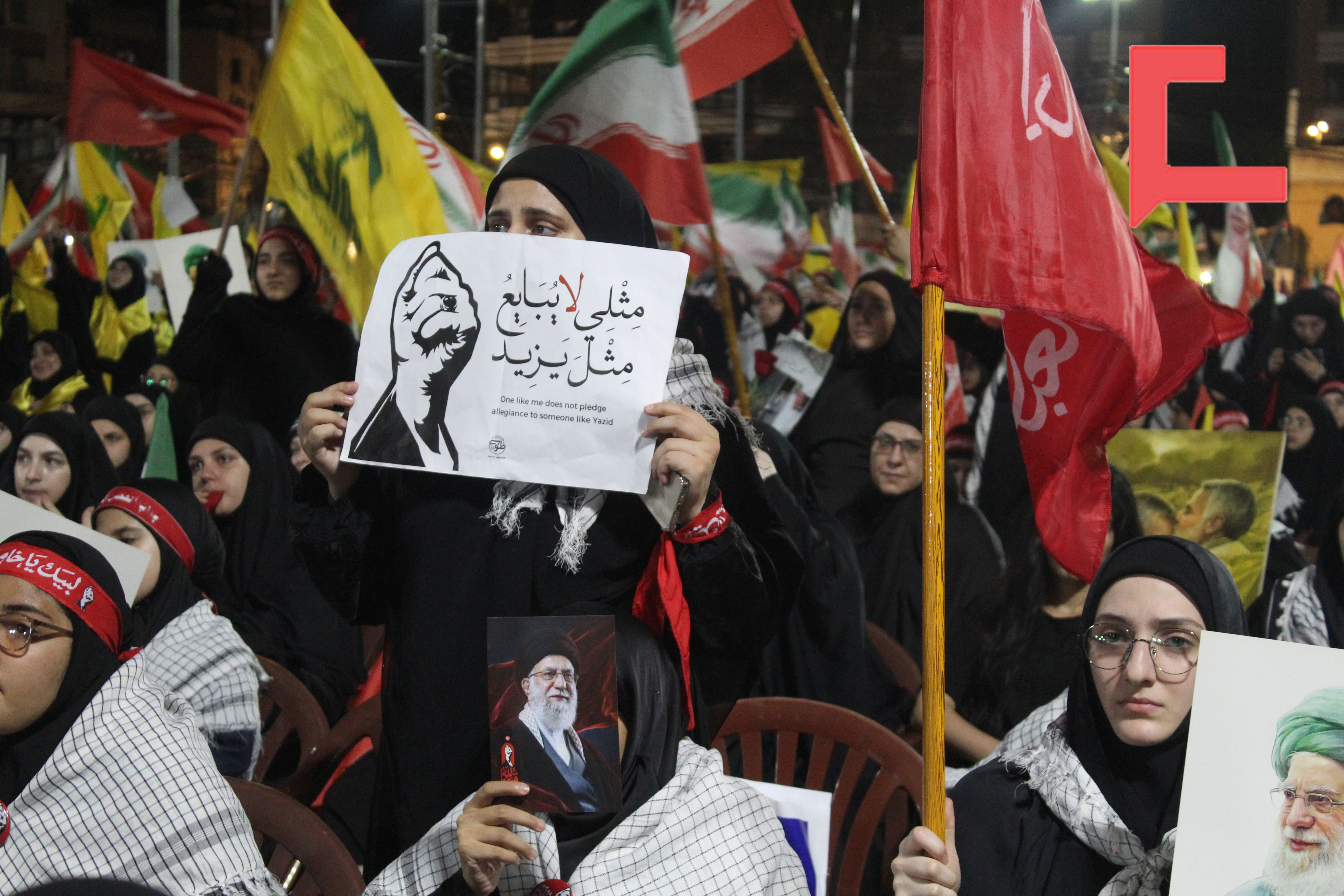
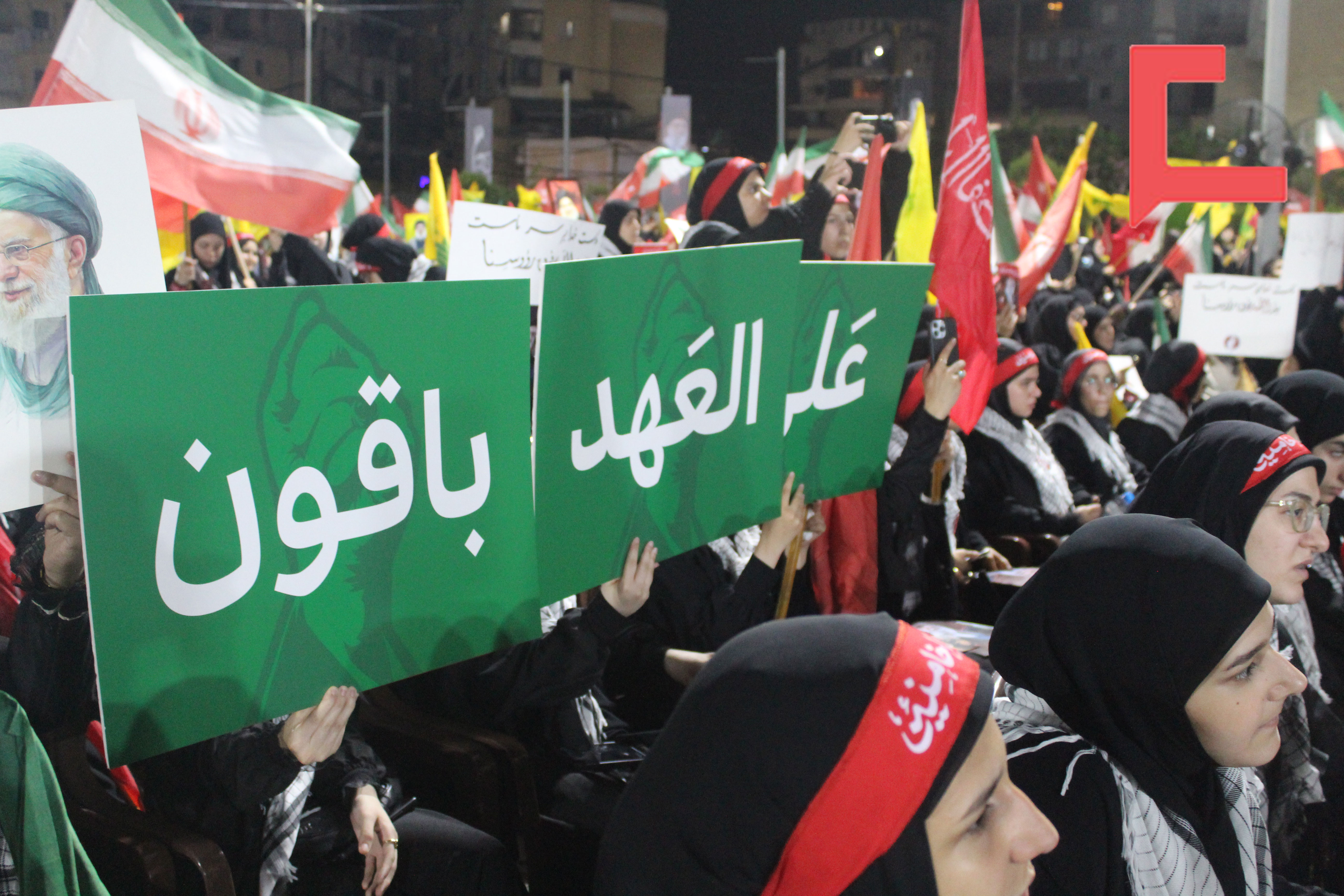
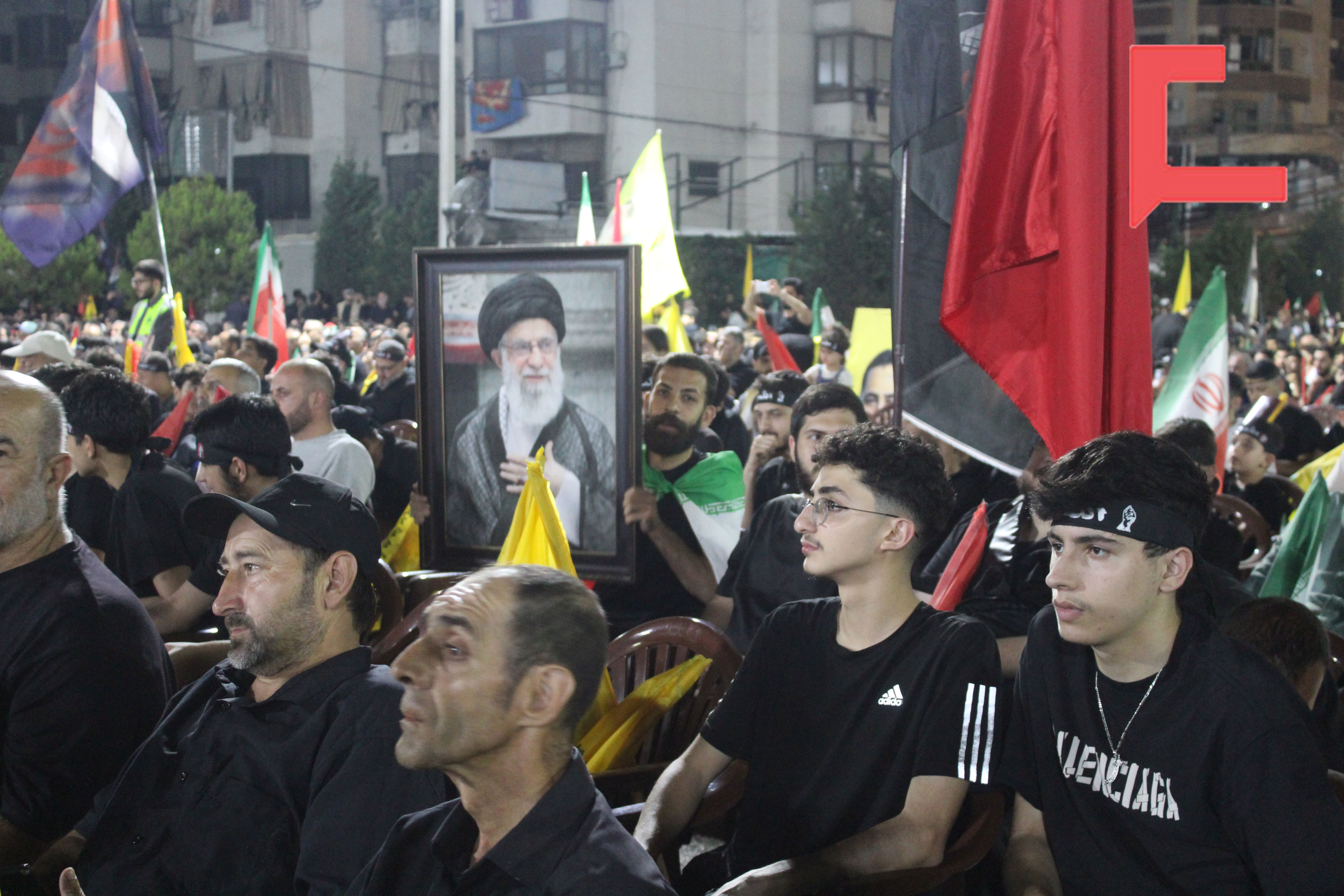
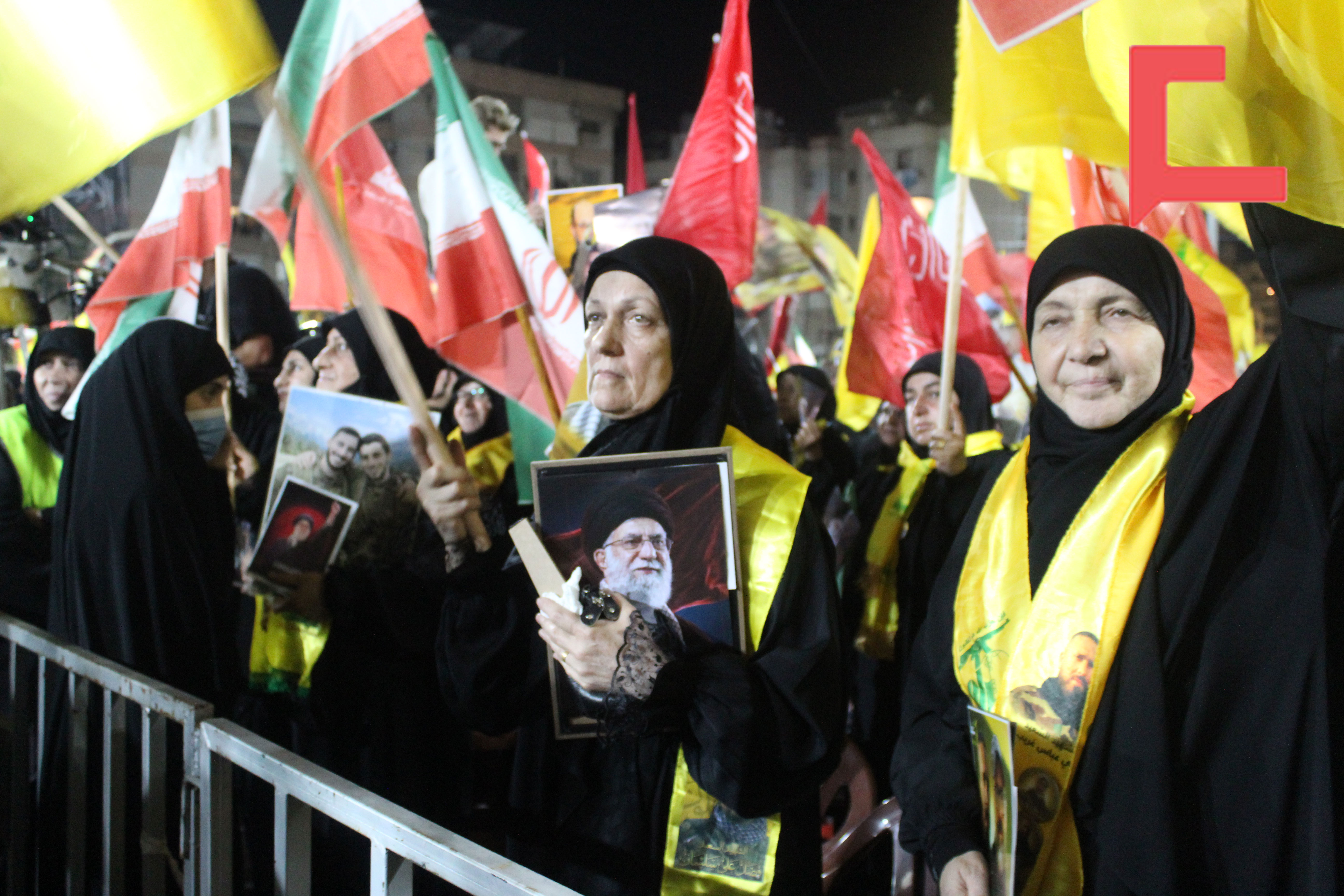
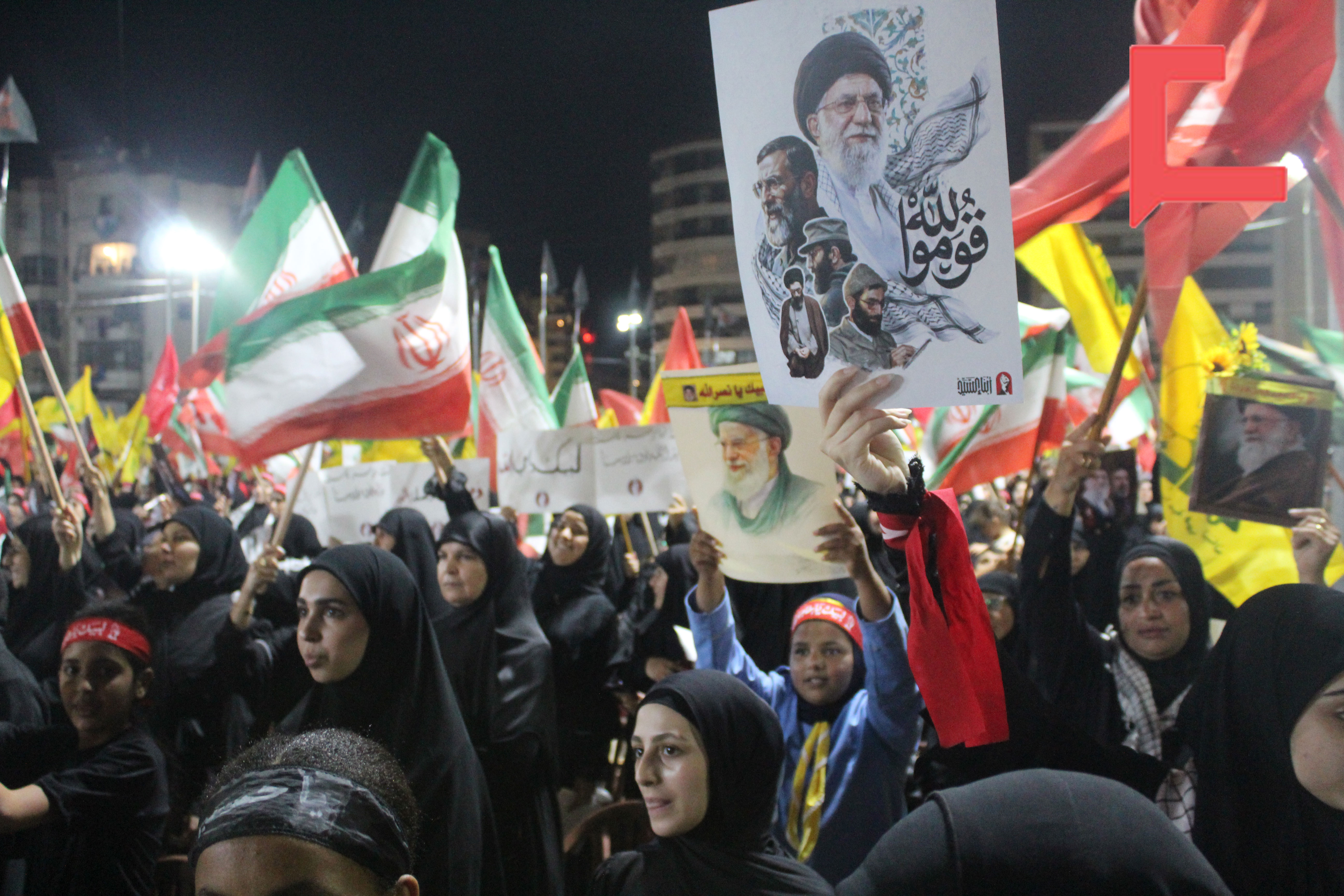
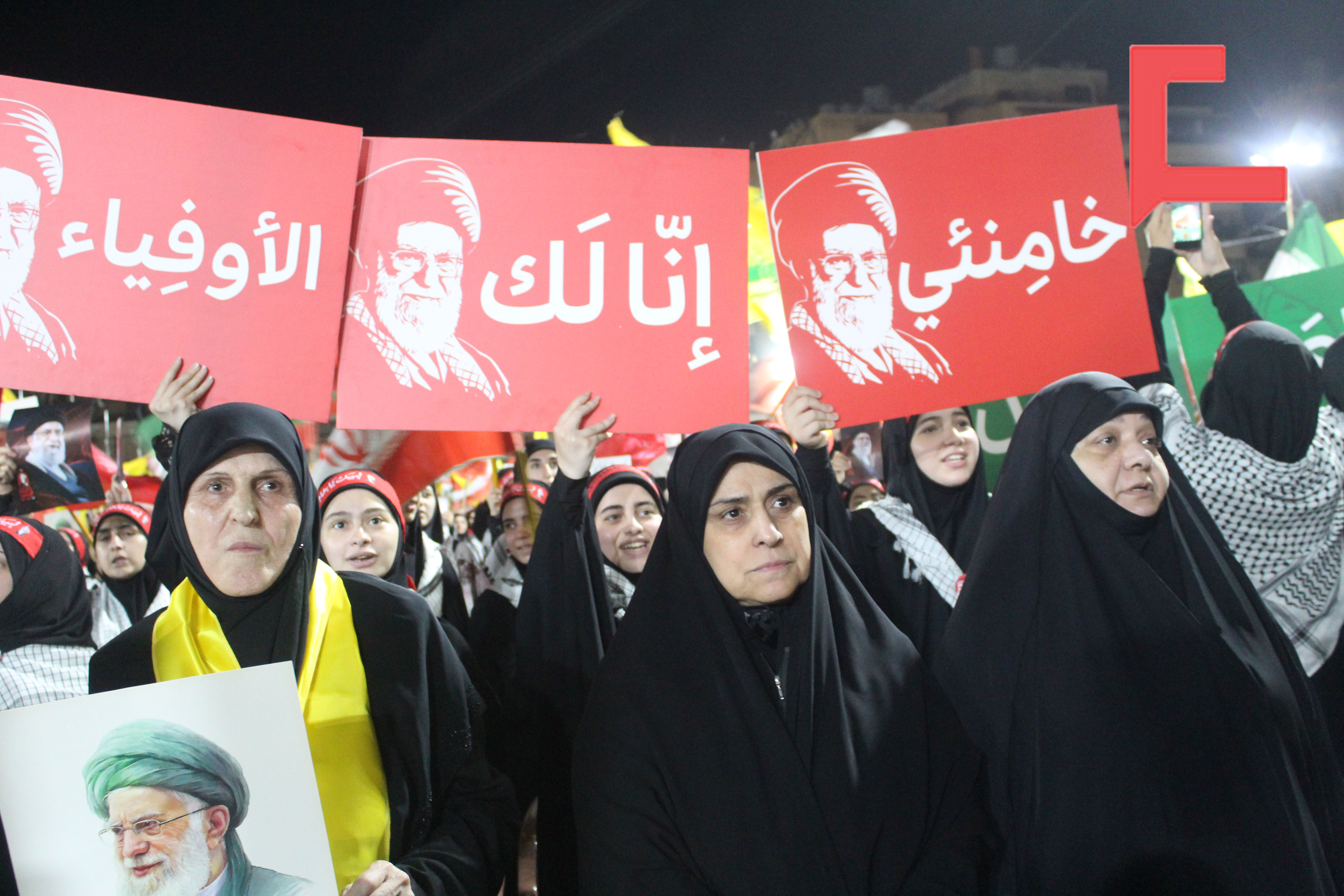
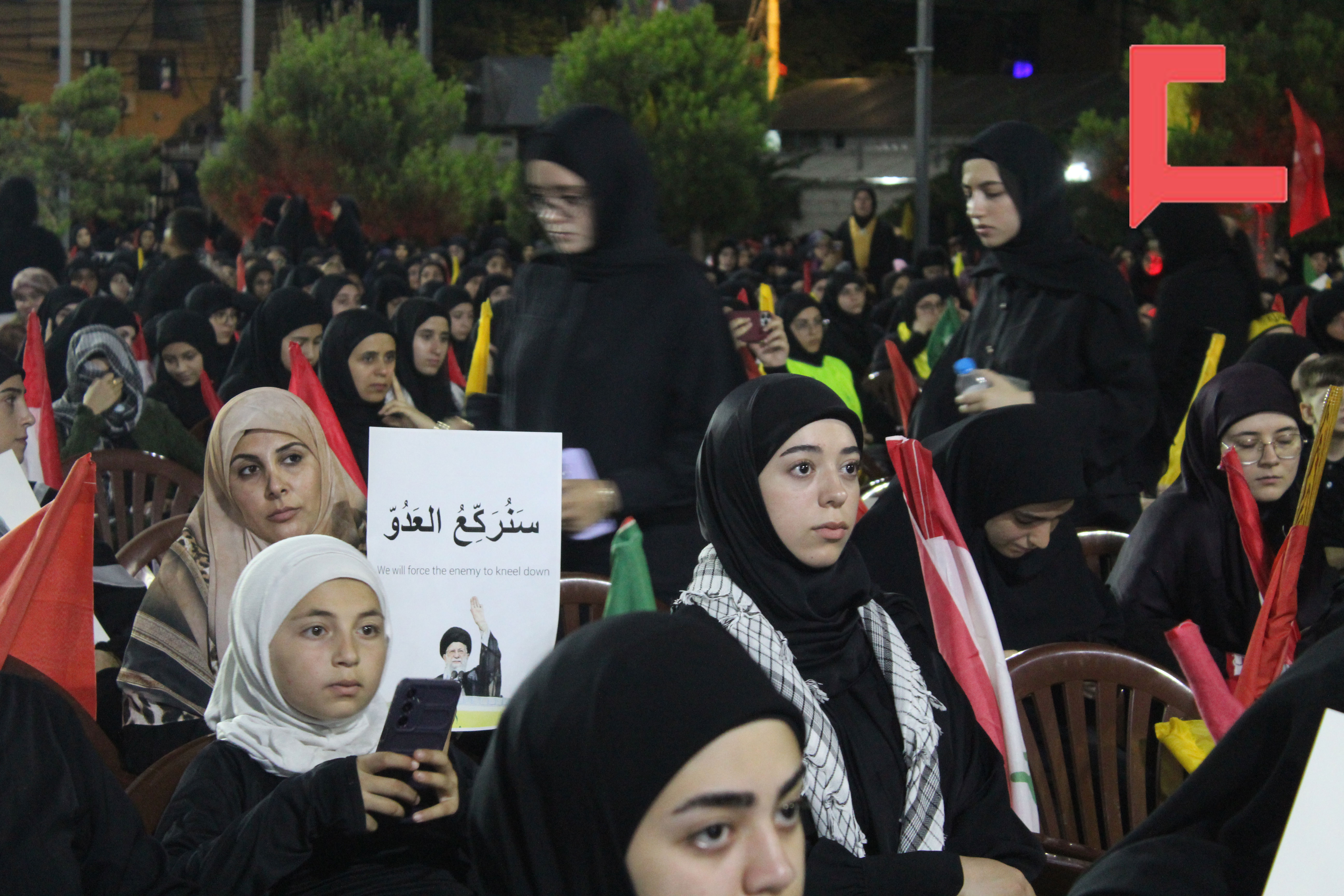
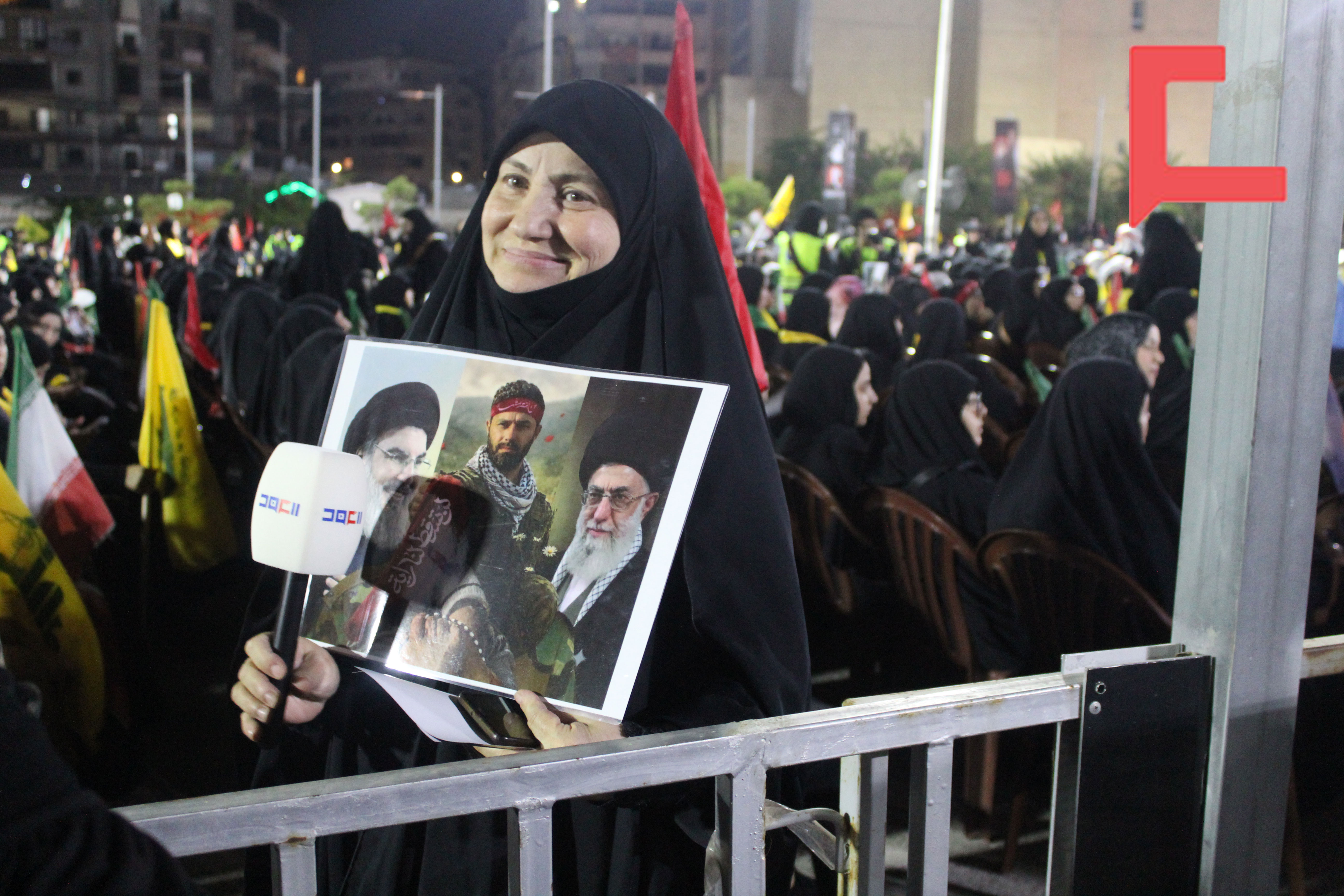
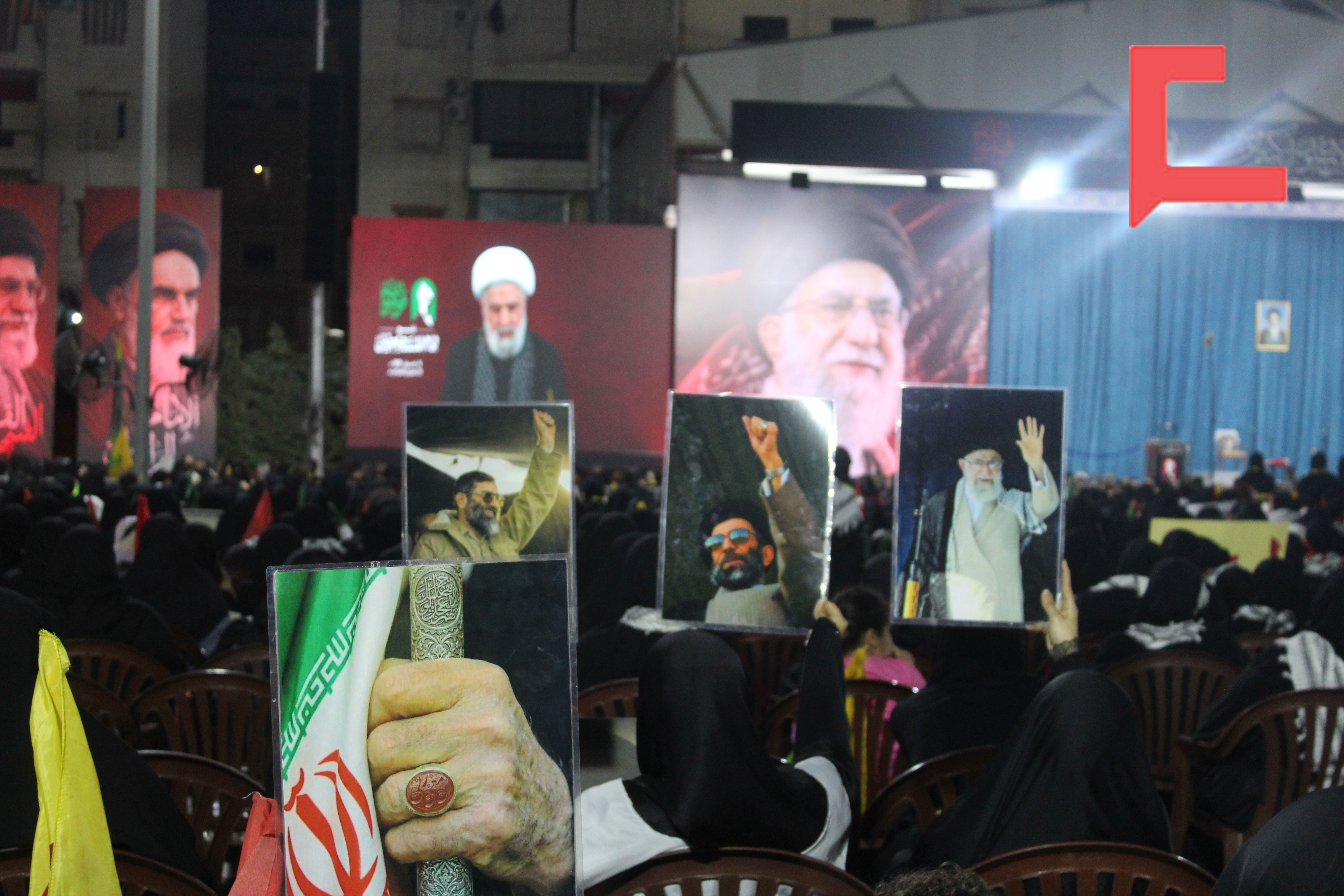
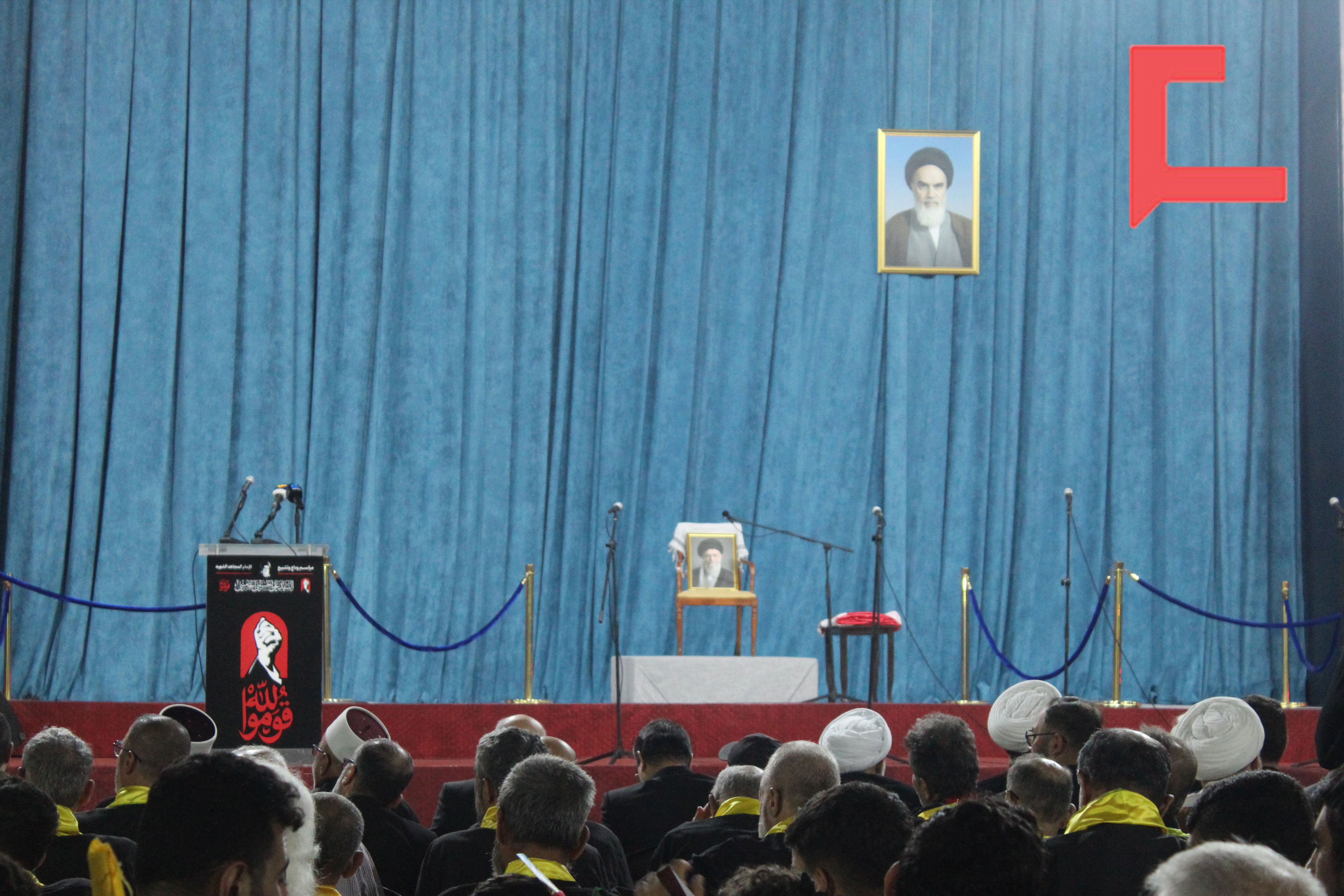
Just when it felt impossible to process one loss before another arrived, we found ourselves gathering once again— this time for a symbolic funeral procession in Beirut. Imam Sayyed Ali Khamenei, the Leader of the Islamic Revolution, would be buried in Iran, but on that Wednesday night thousands gathered in Beirut’s southern suburb [Dahiyeh] to mourn him from afar, turning Beirut into another place of farewell.
At that very moment, his funeral procession was moving through Najaf and Karbala on its way to Iran. We weren’t there. We couldn’t walk behind his coffin. But standing in Dahiyeh, it never felt like we were watching from afar. It felt as though Beirut had become another stop along the same journey.
I’ve been to enough funerals over the past few years to know that they are never just about saying goodbye.
Of course there was grief. You could see it in people’s faces. Some stood silently with tears in their eyes. Others held onto each other without saying much at all. But there was something else in the air too. A feeling that this gathering was about memory as much as mourning.
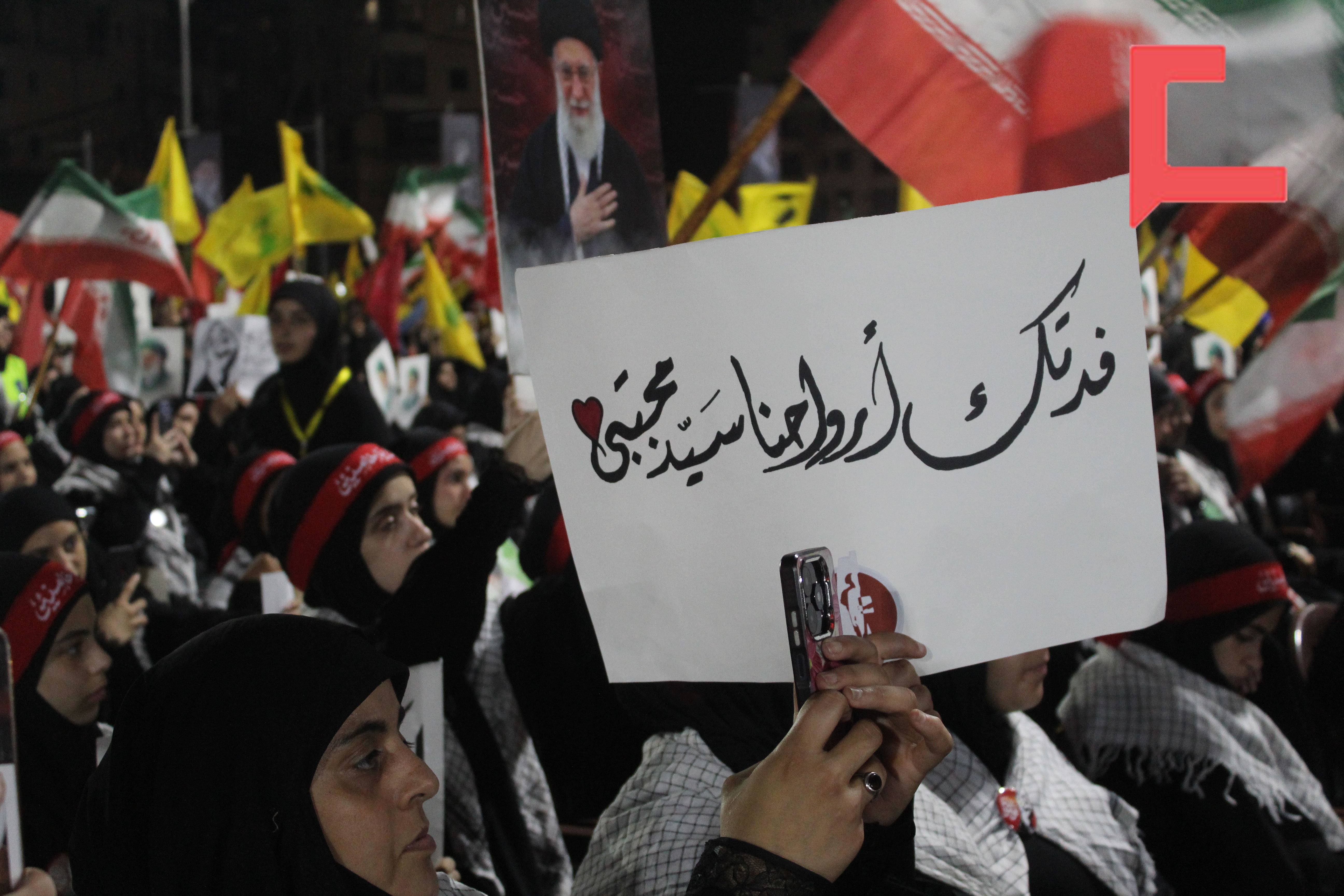
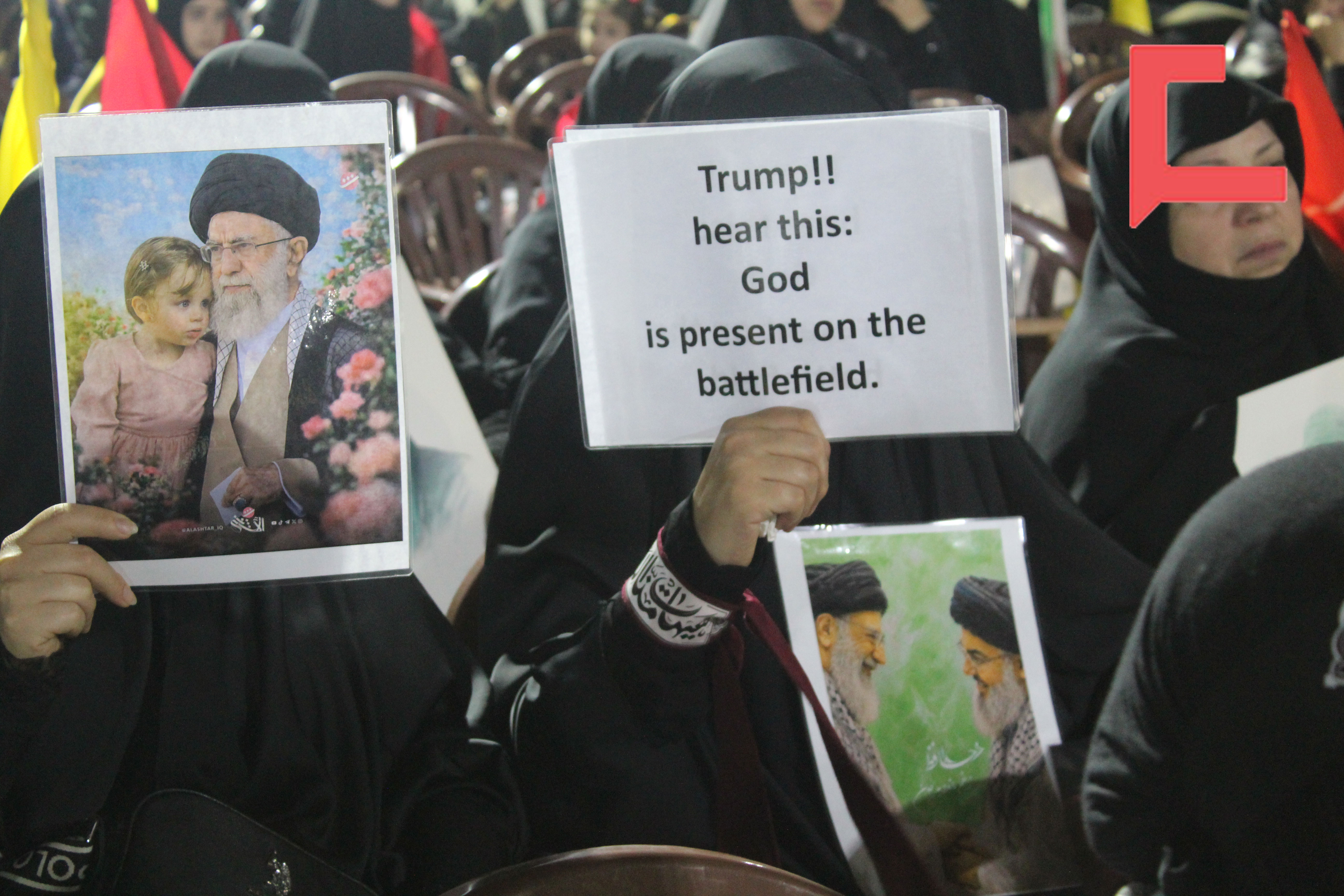
As I walked through the crowd, I found myself reading the signs people carried.
One caught my attention immediately:
“Trump, hear this: God is present on the battlefield.”
It wasn’t just a slogan. It reflected how many people around me understood the moment—that even in the face of overwhelming military power and political pressure, faith remained part of how they made sense of loss and endurance.
Another poster carried a phrase that has echoed through generations:
“One like me does not pledge allegiance to someone like Yazid.”
The words, rooted in the story of Imam Hussein [AS], have long carried meanings that extend beyond Karbala itself. That night, people interpreted them through the present, connecting the story of Karbala to today’s political realities and to what they see as a refusal to submit, whether to “Israel” or to political choices they believe compromise that position. The slogans around me reflected not only grief but disagreement, conviction, and the way history continues to shape how many Lebanese understand the present.
That was what stayed with me the most.
People often think of funerals as quiet endings. But the funerals I’ve witnessed over the past three years have rarely felt that way. They’ve been moments where grief, memory, faith and politics all existed in the same space. Sometimes it was impossible to tell where one ended and the other began.
Standing there, I kept thinking about Karbala.
More than thirteen centuries have passed since Imam Hussein [AS] was martyred, after watching the men of his household fall one by one. The battle ended, but the story never did. Every year, millions continue to remember him—not only because of how he was martyred, but because of what his stand has come to mean for those who commemorate him. Whether one views that legacy through faith, history or politics, Karbala remains a point of reference that people continue to return to when trying to make sense of sacrifice and loss.
Maybe that’s why Wednesday night felt familiar.
Not because it was the same as the funerals that came before it, but because it carried the same mixture of heartbreak and remembrance that has become part of our lives. Three years of loss have left their mark on all of us. I don’t think anyone who has lived through this period has come out unchanged.
As I left Dahiyeh that night, I wasn’t thinking about speeches or headlines. I was thinking about the people I had buried over the past three years, about the families still rebuilding their homes, about the faces in the crowd and about how memory has a way of refusing to disappear.
I never made it to Tehran. I never walked behind the coffin in Najaf or Karbala. Instead, I stood in a crowded street in Dahiyeh with thousands of strangers who, for one evening, didn't feel like strangers at all.
It was a symbolic funeral, but the grief wasn’t symbolic.
And as the crowd slowly dispersed, I caught myself doing what I’ve done so many times over the past three years—looking for someone I knew wasn’t there.
Comments