- Home
- ISLAMIC RESISTANCE
- SECRETARY-GENERAL
-
Full Speeches
- Speeches-2000
- Speeches-2006
- Speeches-2007
- Speeches-2008
- Speeches-2009
- Speeches-2010
- Speeches-2011
- Speeches-2012
- Speeches-2013
- Speeches-2014
- Speeches-2015
- Speeches-2016
- Speeches-2017
- Speeches-2018
- Speeches-2019
- Speeches-2020
- Speeches-2021
- Speeches-2022
- Speeches-2023
- Speeches-2024
- Speeches-2025
- Speeches-2026
- Speech-Reports
- SG
-
Full Speeches
- Voices
- Ten Day Dawn
- The Biggest Crime
- Martyr Leaders

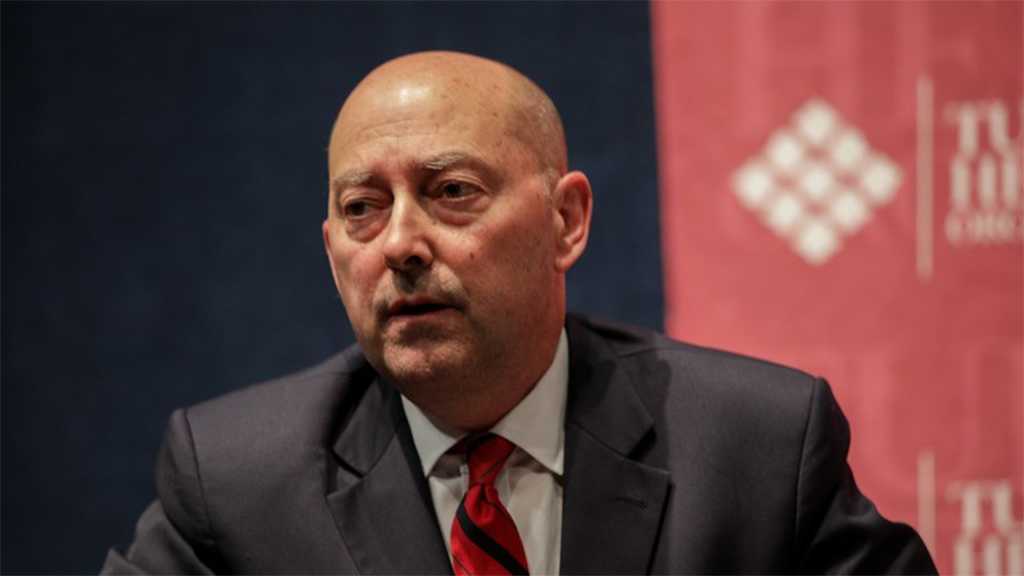
Former NATO Commander Urges Alliance to Limit Engagement With Trump
By Staff, Agencies
Retired US Navy Admiral and former NATO Supreme Allied Commander James Stavridis has urged NATO members to give US President Donald Trump a “timeout” for the remainder of his presidency by minimizing high-level engagement while strengthening their own military capabilities.
Writing in an opinion article published by Bloomberg on Friday following the NATO summit in Türkiye, Stavridis argued that relations between Washington and its allies have deteriorated to the point where reducing public interaction would help preserve the alliance.
The summit exposed continuing tensions within NATO, with Trump criticizing member states over their reluctance to participate in the US, “Israeli” attacks on Iran. He also reiterated his desire to acquire Greenland from Denmark and accused NATO allies of “never being there for us.”
Although Trump later adopted a more conciliatory tone, praising NATO Secretary General Mark Rutte as “a unifier” and describing the summit atmosphere as one of “love,” Stavridis argued that the alliance's underlying problems remain unresolved.
He wrote that while NATO is “probably not” facing its final days, the fundamental relationship between the United States and the rest of the alliance is unlikely to improve in the near future.
Stavridis proposed significantly reducing NATO's political activities, suggesting that the alliance avoid holding another leaders' summit for the next two years and suspend much of its routine committee work to avoid further disputes with Trump.
Comparing the situation to a troubled marriage, he argued that a temporary “time out” would be preferable to a complete rupture and could help preserve the 77-year-old alliance.
During such a period, Stavridis said European NATO members should continue increasing defense spending and accelerate the development of an independent defense industrial base capable of producing a greater share of the alliance's military equipment, thereby creating a more balanced transatlantic military partnership.
He also suggested that willing European countries organize a naval mission in the Persian Gulf to conduct mine-clearing operations and escort commercial shipping, rather than launching the initiative under NATO's formal framework.
Regarding Ukraine, Stavridis argued that European support should increasingly be coordinated through European Union institutions rather than NATO, reflecting what he described as the alliance's current political divisions.
Comments
- Related News