The Death of America’s Most Loyal “Israel” Senator
By Mohamad Hammoud
The Washington Politician Who Turned Unconditional Support into a Political Creed
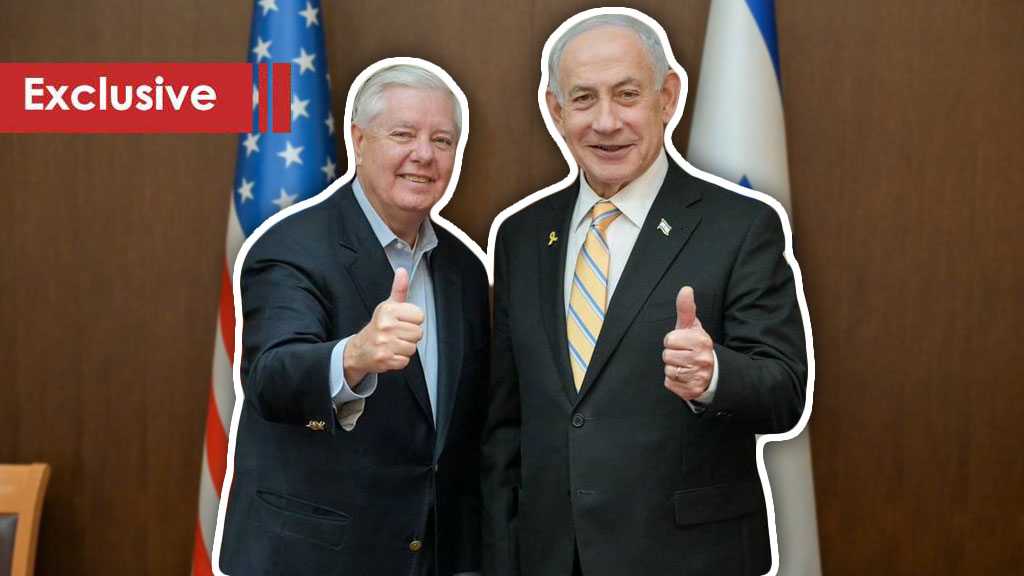
Lindsey Graham’s death brings to a close the career of a senator whose name became synonymous with unwavering support for “Israel.” Reuters reported that “Israel’s” leaders mourned him as a “dear friend,” while Prime Minister Benjamin Netanyahu said that “the security of “Israel” and America are inseparable,” a statement that reflected how Graham spent years merging two national interests into one political creed. That fusion gave him unusual influence in Washington, allowing him to present every new demand from “Israel” as an American necessity and every call for restraint as weakness. In that sense, Graham was not merely a supporter; he was a translator of permanent war.
Faith Turned into Policy
What made Graham powerful was not only his hawkishness but the moral certainty with which he defended it. The Guardian previously quoted him saying that if he failed to support “Israel,” God would condemn him. That religious framing elevated his politics above ordinary debate and into something closer to zealotry. When military aid becomes tied to divine judgment, the space for compromise shrinks, and diplomacy begins to appear almost sinful. Graham understood that dynamic and used it to turn advocacy into obligation and loyalty into liturgy.
Bloodlust as Political Language
Graham’s political legacy was shaped by repeated calls for confrontation. The Guardian described him as one of the Senate’s most prominent advocates of war, highlighting his long record of supporting military action and urging aggressive responses against America’s adversaries. His critics argued that from Iraq to Iran and Gaza, Graham represented a generation of Washington politicians who repeatedly chose escalation over diplomacy.
After the Hamas operation in 2023, according to Reuters, Graham insisted that “Israel” had nothing to apologize for and urged it to destroy Hamas “by any and all means necessary.” In 2024, he called Hamas “the SS on steroids” and demanded that “Israel” receive whatever weapons it needed to annihilate its enemies. According to the Jerusalem Post, he compared the conflict to Hiroshima and Nagasaki “on steroids,” a phrase that turned apocalypse into political theater. By defending the atomic bombings of World War II as the right decision, Graham normalized the idea that catastrophic violence was not only acceptable but preferable.
The significance of such statements was not only the words themselves but the political consequences they created. When leaders describe every conflict as existential, compromise becomes weakness and diplomacy becomes surrender. Graham helped create an environment where restraint was viewed as failure and military escalation was presented as responsibility.
Militarism as Worldview
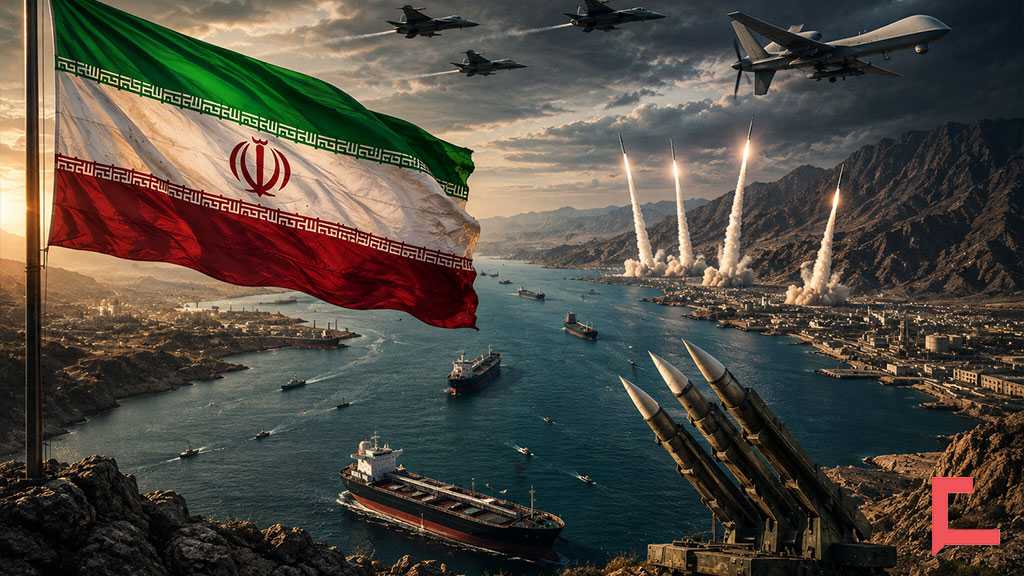
Graham’s foreign-policy record was consistent: military power was the answer. He supported the Iraq War, pressed for confrontation with Iran, and dismissed diplomacy as weakness. His warnings about Tehran portrayed Iran as a civilizational threat rather than a state to be managed. When diplomatic efforts appeared possible, Graham criticized them as appeasement. He represented a Washington establishment that underestimated the costs of intervention, repeating the mistakes of Iraq and Libya.
His worldview extended throughout the Middle East. He traveled frequently, meeting allies of “Israel” and urging them to align with its interests. Lebanon, Jordan and other regional players were viewed through the lens of “Israel’s” survival. For Graham, America’s role was clear: guarantee “Israel’s” existence, whatever the cost.
More Loyal to “Israel” Than to America
“Israel’s” leaders mourned Graham’s death as the loss of one of their greatest friends. Prime Minister Benjamin Netanyahu called him indispensable, and tributes flowed from “Jerusalem”. According to The Media Line, Graham repeatedly framed America’s security as inseparable from “Israel’s,” a position that reflected his belief that supporting “Israel” was central to American interests.
His absence leaves “Israel” without one of its most reliable champions in Congress, a senator who could be counted on to push for escalation whenever “Israel” demanded it.
Conclusion: The Biggest Loser Is “Israel”
Lindsey Graham’s death marks a turning point. For America, it removes a senator whose hawkishness undermined diplomacy and whose loyalty to “Israel” distorted US foreign policy. For “Israel,” it is the loss of one of its most zealous advocates, a man who believed its survival justified any measure, even nuclear-scale destruction.
His legacy is not one of restraint or wisdom but of wars demanded, weapons promised and loyalty pledged to a foreign state above his own.
Comments