- Home
- ISLAMIC RESISTANCE
- SECRETARY-GENERAL
-
Full Speeches
- Speeches-2000
- Speeches-2006
- Speeches-2007
- Speeches-2008
- Speeches-2009
- Speeches-2010
- Speeches-2011
- Speeches-2012
- Speeches-2013
- Speeches-2014
- Speeches-2015
- Speeches-2016
- Speeches-2017
- Speeches-2018
- Speeches-2019
- Speeches-2020
- Speeches-2021
- Speeches-2022
- Speeches-2023
- Speeches-2024
- Speeches-2025
- Speeches-2026
- Speech-Reports
- SG
-
Full Speeches
- Voices
- Ten Day Dawn
- The Biggest Crime
- Martyr Leaders

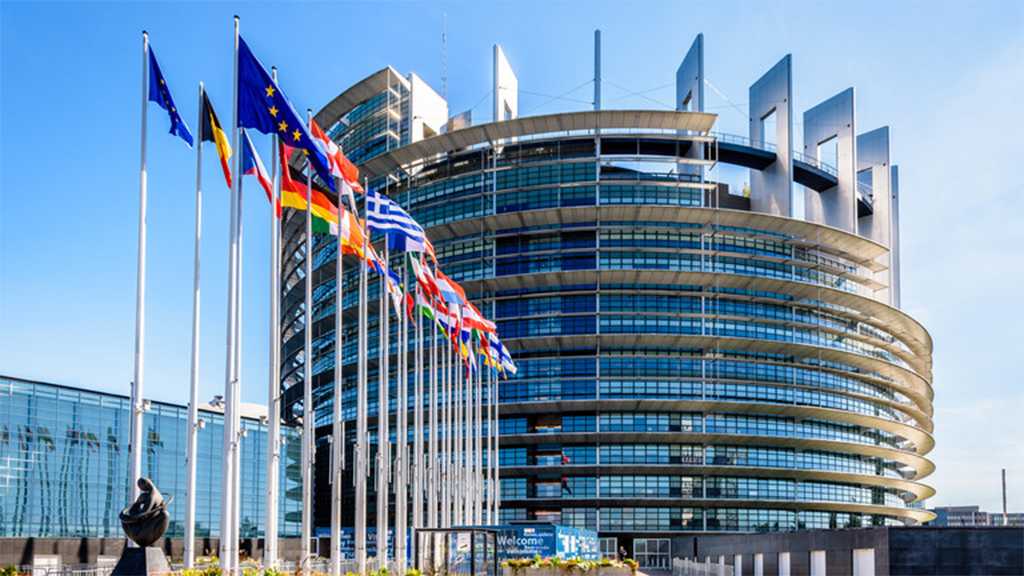
EU Divisions Deepen Over New Russia Sanctions Package
By Staff, Agencies
Several European Union member states have demanded exemptions from the bloc's latest proposed sanctions package against Russia or blocked parts of the measures, according to the Financial Times, highlighting growing divisions over Brussels' sanctions policy.
The report said Greece, France, Italy, Germany, Austria, and Portugal have all sought changes to the proposed 21st sanctions package, reflecting increasing concern over its potential impact on national economies and key industries.
Negotiations last week reportedly failed to produce agreement on the package, which targets Russia's energy, financial, cryptocurrency, trade, and fisheries sectors. The proposal also includes a ban on Russians who have served in the military since the escalation of the Ukraine conflict in February 2022 from entering the European Union.
Because new sanctions require unanimous approval, several governments have become increasingly reluctant to accept additional economic costs associated with supporting Ukraine, according to diplomats involved in the negotiations.
"The moral imperative is functioning less and less," one diplomat told the Financial Times. "Capitals all agree on tough rhetoric and talk of solidarity, but then it all melts away."
Greece has reportedly refused to support the package unless it receives an exemption allowing its shipping companies to continue transporting Russian liquefied natural gas to non-EU countries.
Athens argues that such a ban would disproportionately affect its shipping sector, including Dynagas, which has transported more than 30 million tons of liquefied natural gas from Russia's Yamal project since 2022.
According to the report, Dynagas warned that the proposed restrictions could force the company to sell its specialized ice-class LNG carriers, which were built specifically for the Yamal project and are tied to long-term contracts extending until 2065.
Portugal and Germany have also sought to remove a proposed ban on Russian fish imports in order to protect domestic processing industries, while France and Italy have reportedly pushed to ease proposed restrictions on issuing EU visas to Russian military personnel.
The report underscores growing resistance within the European Union to additional sanctions as member states increasingly weigh domestic economic interests against continued pressure on Russia.
Comments
- Related News