Trump Greenlights Landmark Saudi Nuclear Deal While Bombing Iran
By Staff, Agencies
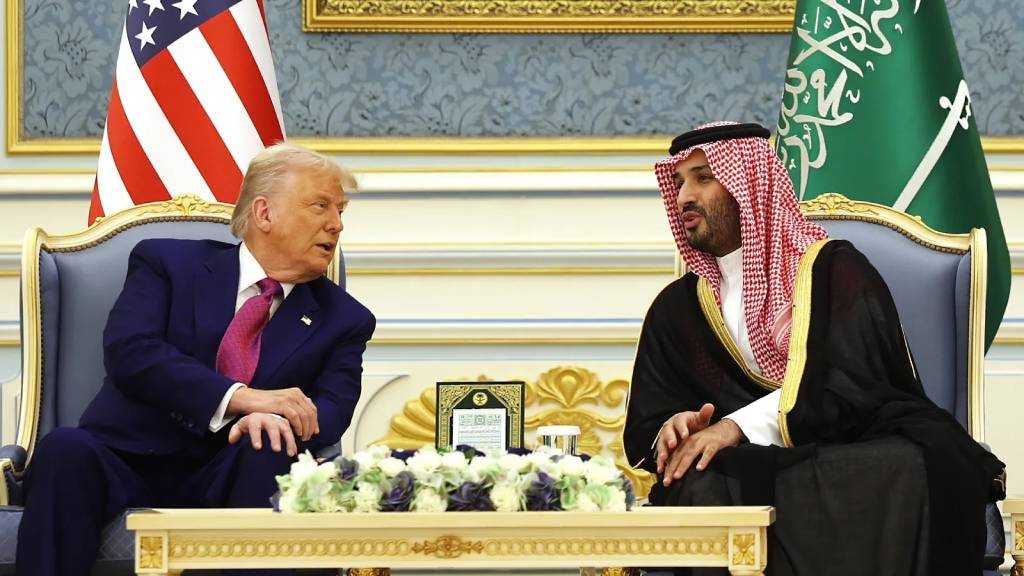
United States President Donald Trump has formally approved a nuclear deal allowing Saudi Arabia to enrich uranium, according to an exclusive report by The Wall Street Journal [WSJ] citing administration officials.
The new US-Saudi nuclear agreement, which would remain in effect for 30 years, is estimated to be worth tens of billions of dollars. It is designed to give American companies a central role in developing Saudi Arabia's nuclear infrastructure while limiting the involvement of foreign competitors.
Under the agreement, a key provision would allow American companies to build a uranium enrichment facility in Saudi Arabia if a joint US-Saudi study determines that such a step is warranted.
The arrangement would give Washington greater influence over the kingdom's nuclear program, with Trump administration officials arguing that the US role could help prevent the technology from being diverted toward military purposes.
Meanwhile, the deal, which is expected to be submitted to Congress for review in the coming days, is likely to face opposition from lawmakers concerned about the spread of nuclear technology in the region.
According to the report, the Trump administration approved a US-Saudi nuclear cooperation agreement that is expected to be signed on Wednesday by Energy Secretary Chris Wright and Saudi Energy Minister Prince Abdulaziz bin Salman.
The deal would be difficult for Congress to block and is seen as strengthening US-Saudi ties while reducing Russian and Chinese influence, though experts warn it could increase nuclear proliferation risks if it lacks sufficient safeguards.
For its part, Saudi Arabia says its civilian nuclear program aims to develop a domestic nuclear industry, meet energy needs, and boost oil exports, while insisting its ambitions are peaceful despite Crown Prince Mohammed bin Salman's past warning that the kingdom would pursue nuclear weapons if Iran did.
Under the agreement, American companies would supply reactors and nuclear technology, while a two-year study would assess the feasibility of domestic uranium enrichment under strict US oversight, with Washington arguing the arrangement would prevent military use of the program.
However, critics warn the proposed agreement could accelerate nuclear technology proliferation across West Asia, particularly because Saudi Arabia refuses to commit to permanently forgoing uranium enrichment and plutonium reprocessing.
Concerns have also grown over inspection standards, with Riyadh rejecting the IAEA's Additional Protocol, although the Trump administration says its separate monitoring arrangements would provide sufficient oversight of US-supplied nuclear facilities.
Moreover, critics argue the proposed framework would be insufficient to investigate suspected nuclear activities that do not involve US facilities or technology.
Separately, the Trump administration is pursuing the Saudi nuclear deal without requiring Riyadh to normalize relations with "Israel," unlike the Biden administration.
The agreement also comes as Washington continues pressuring Iran over its nuclear program, drawing criticism over what opponents describe as a double standard. The Trump administration rejects those claims, insisting the Saudi program will remain peaceful under strict safeguards.
Despite longstanding US policy, Democratic and Republican presidents have long opposed uranium enrichment by regional countries, but Congress is expected to face challenges in blocking the Saudi nuclear deal despite past bipartisan efforts to require stricter congressional approval.
Comments