- Home
- ISLAMIC RESISTANCE
- SECRETARY-GENERAL
-
Full Speeches
- Speeches-2000
- Speeches-2006
- Speeches-2007
- Speeches-2008
- Speeches-2009
- Speeches-2010
- Speeches-2011
- Speeches-2012
- Speeches-2013
- Speeches-2014
- Speeches-2015
- Speeches-2016
- Speeches-2017
- Speeches-2018
- Speeches-2019
- Speeches-2020
- Speeches-2021
- Speeches-2022
- Speeches-2023
- Speeches-2024
- Speeches-2025
- Speeches-2026
- Speech-Reports
- SG
-
Full Speeches
- Voices
- Ten Day Dawn
- The Biggest Crime
- Martyr Leaders

Oil Prices Jump over 2% after US Attacks on Iran
By Staff, Agencies
Oil prices climbed more than 2% on Monday after the United States carried out strikes against Iran’s Larak Island in the Strait of Hormuz, prompting an Iranian response and raising fresh concerns over the security of a vital global energy route.
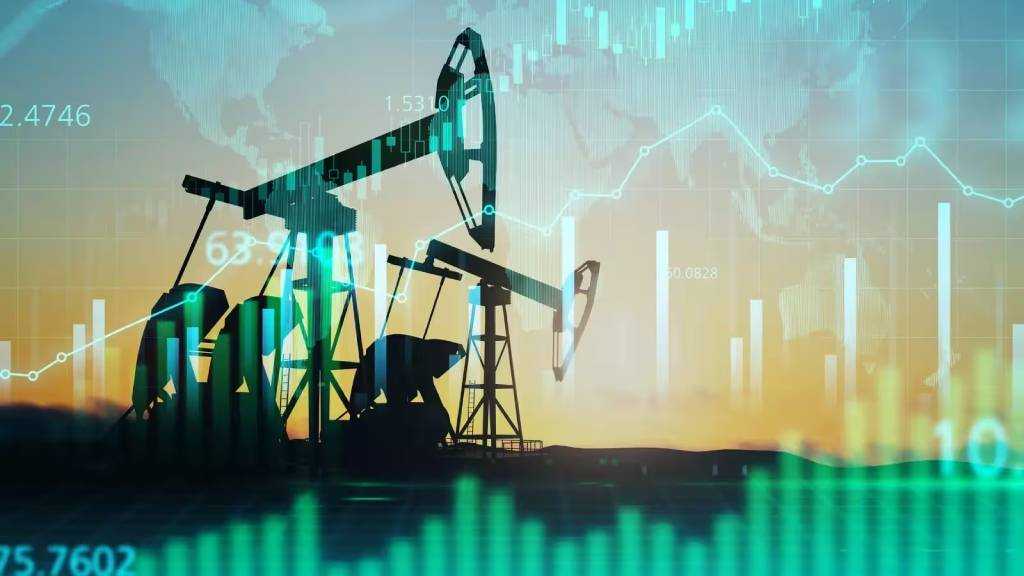
Brent crude futures rose $2.51, or 2.85%, to $90.61 a barrel by 0241 GMT, while US West Texas Intermediate crude gained $2.13, or 2.55%, to $85.53.
The increase came as the war on Iran entered its sixth month and efforts to restore normal shipping through the Strait of Hormuz remained stalled.
US officials told media that its forces struck two launchers on Iran's Larak Island on Sunday, a move that Tehran stated would garner a response.
The Islamic Republic subsequently attacked technical, maintenance, and fighter jet infrastructure at two US air bases in Jordan. The Islamic Revolution Guards [IRG] reported its retaliation caused "heavy damage" to the hostile American site.
The rapid exchange of attacks has added another layer of uncertainty to an already fragile energy market. "Looks like we are in another escalation phase. How long that lasts is impossible to determine. Could be days, could be weeks," IG market analyst Tony Sycamore said, Reuters reports.
Sycamore said a further escalation could push WTI through resistance around $85.80-$85.90 a barrel, potentially opening the way toward last week’s $87.69 high and July’s $93.50 level.
The immediate market reaction demonstrates how quickly military developments around the Gulf can translate into higher energy prices.
IRG spokesperson Hossein Mohebi separately stated that Washington's escalating economic and military pressure is a “strategic and fatal mistake that would change the balance against its architects” and carry high costs on both economic and military fronts.
Before the US- “Israeli” strikes that caused the war at the end of February, roughly one-fifth of global oil supplies passed through the Strait of Hormuz. Negotiations to end the war remain at an impasse, while mediators try to reopen the strait to regular shipping.
Although some oil continues to move through the waterway, shipping activity has shown signs of mounting caution.
Shipping data showed that only five visible commodity vessels per day passed through the strait over the weekend, compared with substantially higher levels before the escalation.
The United Kingdom Maritime Trade Operations [UKMTO] also reported that a tanker was struck by a projectile while traveling inbound through the strait on Saturday.
The combination of reduced vessel traffic and attacks on shipping is increasing the risk premium attached to crude, even as actual oil flows have so far prevented a larger supply shock.
Military escalation is being accompanied by additional US economic pressure on Iran.
US Treasury Secretary Scott Bessent told Reuters on Sunday that Washington is likely to introduce new secondary sanctions against Iran weekly.
The stated objective is to further restrict Iran’s access to the dollar-based financial system, adding economic pressure to Washington's war on the nation.
The combination of sanctions and military action creates additional uncertainty for global energy markets, particularly if restrictions affect Iranian oil exports or contribute to further disruption around Hormuz.
Comments
- Related News
Putin: BRICS is “Not Against Anyone” As Summit Opens
one month ago