Araghchi: US Opposition to Iran’s Islamic System at Root of Dispute, Nuclear Issue Merely a Pretext
By Staff, Agencies
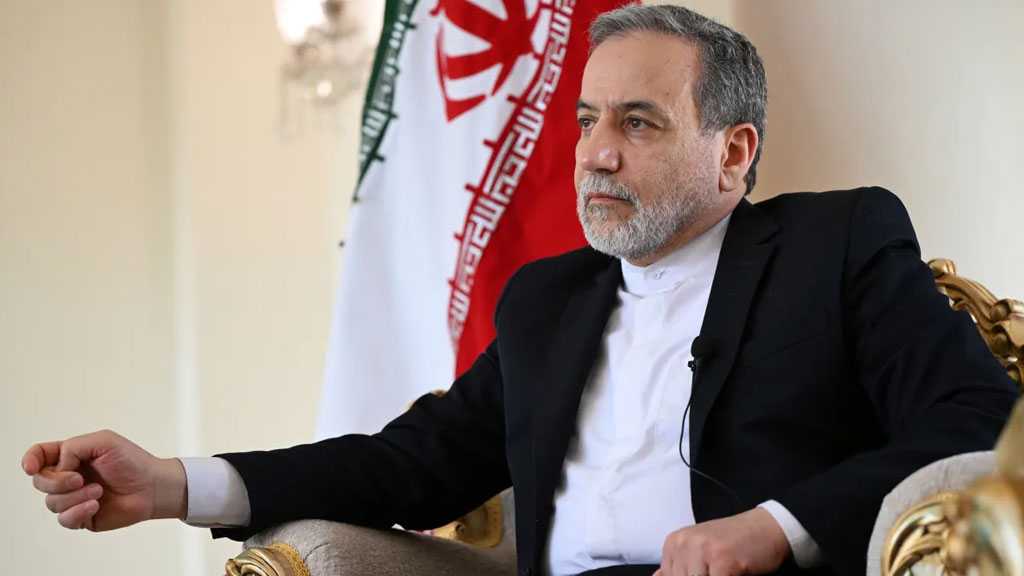
Iranian Foreign Minister Abbas Araghchi has said that Washington’s dispute with Tehran stems from its opposition to Iran’s Islamic establishment and the country’s refusal to submit to American dominance, describing the nuclear issue as merely a pretext.
“In my view, what they oppose and refuse to accept is the thinking underpinning Iran’s [Islamic] establishment and the Iranian mindset,” Araghchi said during an extended exclusive interview with Iraqi Media Network on Tuesday.
He explained that Washington rejects an outlook based on resisting American domination and refusing to yield to US power.
“Therefore, as you said, the nuclear issue is nothing more than a pretext,” the top diplomat stated.
Araghchi noted that Iran had entered three rounds of negotiations with the United States, but each ultimately resulted in war against the Islamic Republic.
“Bear in mind that we entered into three rounds of negotiations with the American side, and all three previous rounds ultimately led to war against us,” he said.
The foreign minister was referring to two rounds of what Tehran describes as unprovoked US-“Israeli” aggression against Iran, first in June last year and again from February 28 until April 7 this year. Both episodes occurred amid negotiations between Tehran and Washington.
He also referred to negotiations in June that resulted in a Pakistan-mediated memorandum of understanding between the two sides, which Tehran says Washington subsequently violated.
“Therefore, there is no trust in the American approach,” Araghchi stressed.
Despite the lack of trust, Araghchi said Iran had put forward a Seven-Day Plan aimed at the conditional reopening of the Strait of Hormuz, which the Islamic Republic closed in retaliation for what it describes as the latest round of unprovoked US-“Israeli” aggression and continuing American violations.
The foreign minister outlined a proposed sequence for resolving the current impasse. Under the plan, Washington would first fulfil its commitments under the Islamabad memorandum, followed by an understanding on the Strait of Hormuz, the reopening of the strategic waterway under agreed arrangements, and subsequent negotiations toward a final agreement.
Araghchi said the proposal was intended to prevent diplomacy from collapsing altogether, adding that diplomatic efforts could produce results “provided the other side honors the understandings reached.”
He reiterated that progress depended on Washington honoring its previous commitments and reaching an understanding with Tehran over the Strait of Hormuz.
Asked whether the economic pressure imposed by Washington could force the Islamic Republic to reconsider its policies and ideology, Araghchi maintained that the Iranian people had accepted the associated costs to preserve their national principles.
He said Iranians had endured these pressures to “preserve their dignity, independence, honor, and greatness.”
The foreign minister stressed that Tehran’s immediate demand was for Washington to implement its commitments under the Islamabad understanding. Only after those obligations had been fulfilled could the parties proceed to discuss other issues, he added.
Araghchi also revealed that Iran had been working with Oman to establish designated maritime routes through the Strait of Hormuz.
According to the foreign minister, the routes have been mapped and their geographical coordinates established. The arrangements would need to be registered with the International Maritime Organization and submitted for its consideration.
He described the work with Oman as preparatory groundwork for a possible future reopening of the strategic waterway.
The Iranian diplomat also rejected attempts to assess Tehran’s actions in the strait separately from the wider conflict, arguing that the current situation was a direct consequence of American-“Israeli” aggression.
Pointing to continued US violations and their consequences, Araghchi declared, “The whole world must understand that it is the American side, not Iran, that is blocking the way.”
Araghchi concluded by stressing that, while Tehran remained open to diplomatic efforts, it was also preparing for the possibility of renewed aggression against the Islamic Republic.
“I reiterate that we are just as prepared for diplomacy as we are for war,” he said.
Comments
IRGC Says Two Oil Tankers Hit Mines Near Hormuz
14 hours ago