- Home
- ISLAMIC RESISTANCE
- SECRETARY-GENERAL
-
Full Speeches
- Speeches-2000
- Speeches-2006
- Speeches-2007
- Speeches-2008
- Speeches-2009
- Speeches-2010
- Speeches-2011
- Speeches-2012
- Speeches-2013
- Speeches-2014
- Speeches-2015
- Speeches-2016
- Speeches-2017
- Speeches-2018
- Speeches-2019
- Speeches-2020
- Speeches-2021
- Speeches-2022
- Speeches-2023
- Speeches-2024
- Speeches-2025
- Speeches-2026
- Speech-Reports
- SG
-
Full Speeches
- Voices
- Ten Day Dawn
- The Biggest Crime
- Martyr Leaders

UN-Backed Cluster Bomb Ban Ratified

The UN has announced that the international convention banning the use of cluster bombs will enter into force on August 1, after receiving the 30 ratifications required.
Secretary-General Ban Ki-moon said that Burkina Faso and Moldova became the latest states to sign the treaty easing the way for the document to go into force on August 1.
"The United Nations received today the 30th instrument of ratification for the Convention on Cluster Munitions," said a statement from the Secretary General's press office.
The treaty, which bans the use, production and trade of cluster munitions, was launched two years ago.
"Cluster munitions are unreliable and inaccurate. During conflict and long after it has ended, they maim and kill scores of civilians, including many children," the UN said, adding that these weapons continue to kill hundreds of civilians and are a complete failure.
"The failure rate makes these weapons particularly dangerous for civilians, who continue to be maimed or killed for years after conflicts end. Some 98 per cent of victims are civilians and cluster bombs have claimed over 10,000 civilian lives, 40 percent of whom are children," the UN says.
The 28 other countries that have ratified the convention are Norway, Austria, the Holy See, Ireland, Mexico, New Zealand, Albania, Croatia, Laos, Sierra Leone, Zambia, Belgium, Denmark, France, Germany, Japan, Montenegro, Slovenia, Spain, Burundi, Luxembourg, Macedonia, Malawi, Malta, Nicaragua, Niger, San Marino and Uruguay.
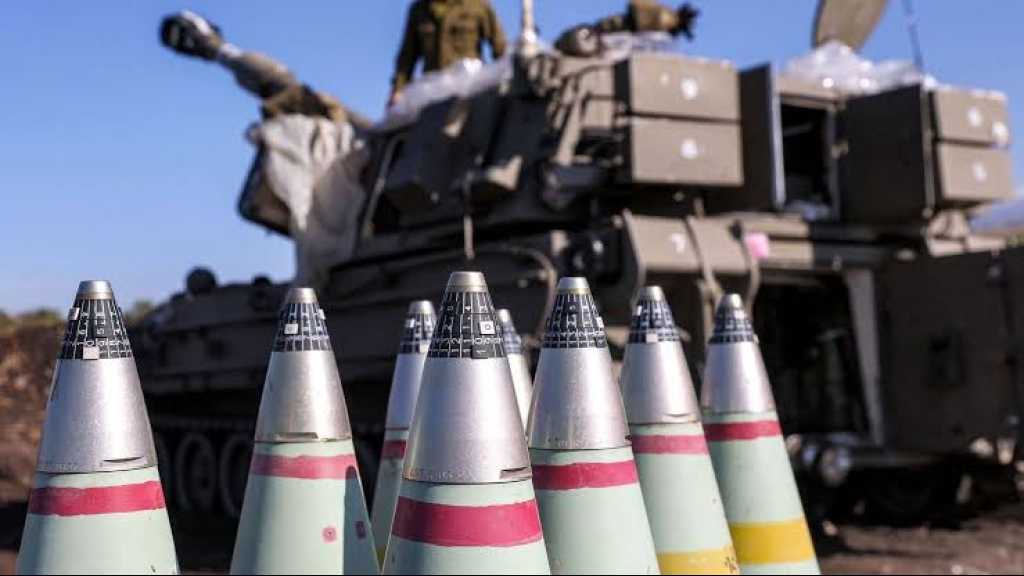
Cluster munitions, which can be deployed by air and artillery, inflict huge tolls as they scatter hundreds of bomblets. These bomblets can maim and kill civilians long after they have been fired during conflicts.
Researchers believe the US has transferred hundreds of thousands of cluster munitions, containing tens of millions of unreliable and inaccurate bomblets, to 28 countries.
International opposition to cluster bombs has been rapidly on the rise since "Israelis" fired more than 1 million into southern Lebanon during the 2006 war on Lebanon.
Major arms-producers, including the US, Britain and "Israel" have refused to ratified the treaty.
Comments
- Related News
US Military Faces Strain as Iran War Continues
one month ago