- Home
- ISLAMIC RESISTANCE
- SECRETARY-GENERAL
-
Full Speeches
- Speeches-2000
- Speeches-2006
- Speeches-2007
- Speeches-2008
- Speeches-2009
- Speeches-2010
- Speeches-2011
- Speeches-2012
- Speeches-2013
- Speeches-2014
- Speeches-2015
- Speeches-2016
- Speeches-2017
- Speeches-2018
- Speeches-2019
- Speeches-2020
- Speeches-2021
- Speeches-2022
- Speeches-2023
- Speeches-2024
- Speeches-2025
- Speeches-2026
- Speech-Reports
- SG
-
Full Speeches
- Voices
- Ten Day Dawn
- The Biggest Crime
- Martyr Leaders

Iran Says Missile Power Has Shifted Strategic Equation
By Staff, Agencies
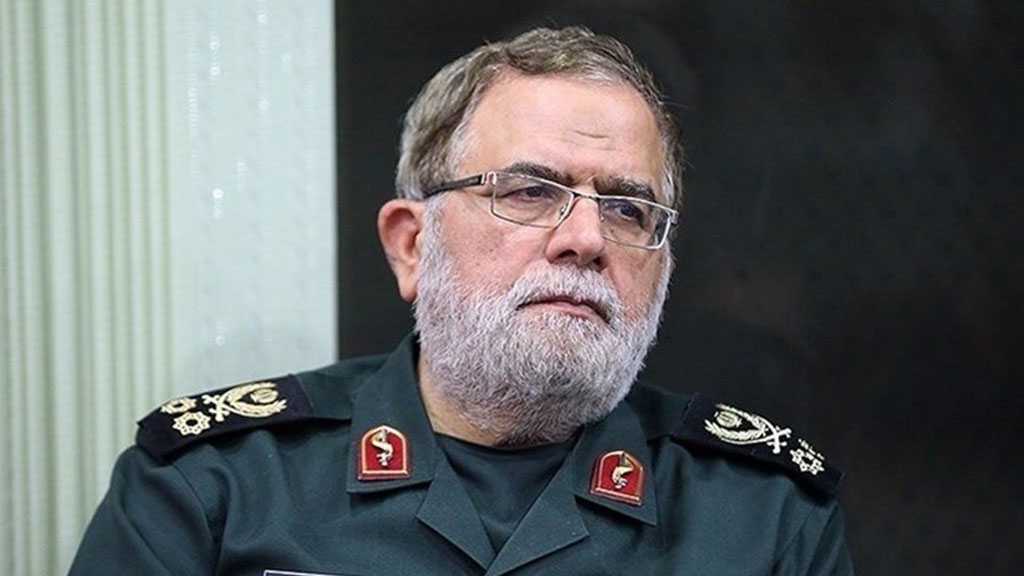
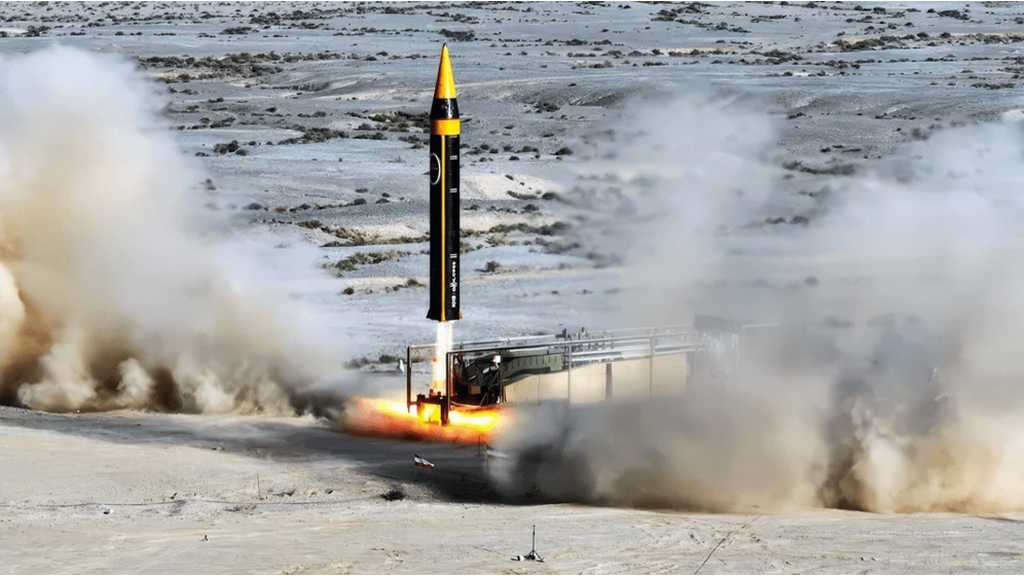
Iran’s acting Defense Minister Brigadier General Majid Ebn-e-Reza said the country’s missile capabilities had changed the strategic equation in its confrontation with the US, arguing that Washington was paying economic, reputational and electoral costs for its military actions against the Islamic Republic.
“Bombs’ title and size do not matter! Your bombs will explode elsewhere, in your global reputation, the US economy, and even your electoral calculations!” Ebn-e-Reza wrote on X on Saturday.
He added that Iran’s missile power had changed the equation and forced Washington into a position where it had to acknowledge Tehran’s strength.
His remarks followed a CNN report that the US military had developed additional strike plans targeting Iranian energy infrastructure and nuclear facilities, potentially including the GBU-43/B Massive Ordnance Air Blast, commonly known as the “mother of all bombs.”
Citing US officials familiar with military planning, CNN reported that President Donald Trump could order renewed attacks before or after the November midterm elections. The White House has not confirmed that the reported operations will take place.
CNN also reported that Trump and his advisers had been exploring military options that could provide a “symbolic victory” while allowing Washington to find a way out of the confrontation.
The network cited domestic opposition as one of the factors weighing on the administration amid criticism over the absence of a clear exit strategy.
The US launched its military campaign against Iran on February 28, according to the report, prompting Iranian retaliatory strikes against strategic targets across the region. Trump announced a unilateral ceasefire on April 7 as the exchanges continued to escalate.
Iran subsequently closed the strategic Strait of Hormuz, affecting global energy markets. Tehran reopened the waterway following a memorandum of understanding with Washington in June but later reinstated the restrictions, citing continued US violations.
Iranian officials have repeatedly said the country has so far deployed only part of its defensive and retaliatory capabilities. They have also argued that Iran is better prepared than the US to withstand the economic and strategic consequences of the Strait of Hormuz remaining closed.
Comments
- Related News
Iran Says Missile Power Has Shifted Strategic Equation
54 minutes ago