
Foreign Policy: Riyadh Arming Syrian Opposition

Local Editor
Riyadh currently sends weapons on an ad hoc basis to the Syrian opposition by way of Sunni tribal allies in Iraq and Lebanon, according to news reports confirmed by a member of the Syrian opposition.
More weapons are almost certainly on their way to the Syrian opposition, Jonathan Schanzer writes in the Foreign Policy that in light of the recent developments.
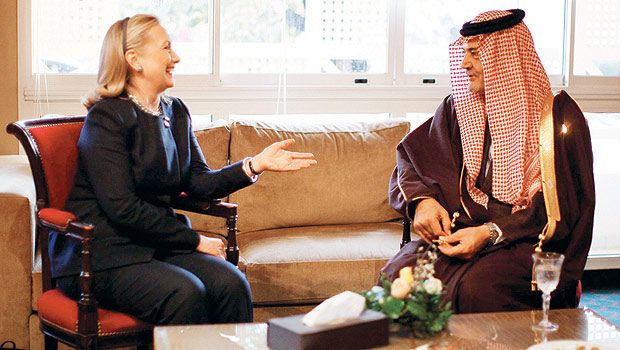 After his delegation withdrew in frustration from last week's Friends of Syria meeting in Tunisia, Prince Saud al-Faisal, the Saudi foreign minister, said that humanitarian aid to Syria was "not enough" and that arming the Syrian rebels was an "excellent idea," reads the report.
According to Schanzer, soon afterward, an unnamed official commented in the state-controlled Saudi press that Riyadh sought to provide the Syrian opposition with the "means to achieve stability and peace and to allow it the right to choose its own representatives."
Also, Saudi clerics are now openly calling for jihad in Syria and scorning those who wait for Western intervention. One prominent unsanctioned cleric, Aidh al-Qarni, openly calls for Assad's death.
The author also noted that other Sunni Gulf states, principally Qatar, may be contributing weapons.
On Monday, Feb. 27, Qatari Prime Minister Hamad bin Jassim al-Thani said, "We should do whatever necessary to help [the Syrian opposition], including giving them weapons to defend themselves."
But whether or not they supply weapons to the Free Syrian Army, Schanzer writes that "the armed opposition composed of defectors and local militia -- all these Sunni states now want the Assad regime to crumble because it is an ally and proxy of their sworn Shiite enemy, Iran..."
For the Saudis, depriving the Russians of a Middle Eastern toehold is an added bonus as the two countries share a long-standing animus, the report says, adding hat in the 1970s, the Saudis used their enormous oil wealth to inflict pain on the Soviets wherever they could.
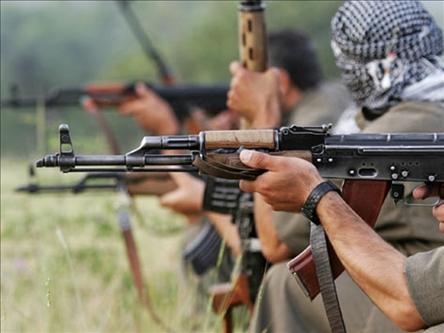
The Saudis, according to the author, fueled a generation of zealous Islamist fighters who later caused bigger problems elsewhere. These Islamists were instrumental to the Saudis after the Soviets invaded Afghanistan in December 1979, and inspired by the strict Wahhabi interpretation of Islam and armed with Saudi funds and weapons, these poured into Afghanistan.
Russia's new strategy in the region is to make money and gain influence by selling arms, military hardware, and technology, and this is Russia's last opportunity to exert leverage in a region where, since the Cold War's end, almost every other country has turned to Washington for arms, said the article.
He goes on to explain that Tartus, the second-largest port in Syria, has been the cornerstone of Russian-Syrian naval cooperation since the 1970s. But now, the Saudis know that if Syria falls, Tartus falls with it. That's one more reasons to send arms to the opposition.
Schanzer pointed out that the US President Barack Obama's administration continues to express deep misgivings about sending weapons, but the Saudis have run out of patience and are now unabashedly advocate for arming the Free Syrian Army.
"This is not an empty threat. The Saudis know how to procure and move weapons, and they have no shortage of cash. If Riyadh wants to arm the opposition, armed it shall be. And those who receive the weapons will likely be at least amenable to the Wahhabi interpretation of Islam that has spawned dangerous Islamist movements worldwide," the article stated.
Still Schanzer warned that a Saudi-led insurgency would not be in the cards if the Obama administration were not so opposed to empowering the opposition.
"But the longer Obama waits and the deeper the humanitarian crisis worsens, the more likely it becomes that other actors will tip the balance in Syria," he concluded.
Source: Foreign Policy, edited by moqawama.org
Riyadh currently sends weapons on an ad hoc basis to the Syrian opposition by way of Sunni tribal allies in Iraq and Lebanon, according to news reports confirmed by a member of the Syrian opposition.
More weapons are almost certainly on their way to the Syrian opposition, Jonathan Schanzer writes in the Foreign Policy that in light of the recent developments.
After his delegation withdrew in frustration from last week's Friends of Syria meeting in Tunisia, Prince Saud al-Faisal, the Saudi foreign minister, said that humanitarian aid to Syria was "not enough" and that arming the Syrian rebels was an "excellent idea," reads the report. According to Schanzer, soon afterward, an unnamed official commented in the state-controlled Saudi press that Riyadh sought to provide the Syrian opposition with the "means to achieve stability and peace and to allow it the right to choose its own representatives."
Also, Saudi clerics are now openly calling for jihad in Syria and scorning those who wait for Western intervention. One prominent unsanctioned cleric, Aidh al-Qarni, openly calls for Assad's death.
The author also noted that other Sunni Gulf states, principally Qatar, may be contributing weapons.
On Monday, Feb. 27, Qatari Prime Minister Hamad bin Jassim al-Thani said, "We should do whatever necessary to help [the Syrian opposition], including giving them weapons to defend themselves."
But whether or not they supply weapons to the Free Syrian Army, Schanzer writes that "the armed opposition composed of defectors and local militia -- all these Sunni states now want the Assad regime to crumble because it is an ally and proxy of their sworn Shiite enemy, Iran..."
For the Saudis, depriving the Russians of a Middle Eastern toehold is an added bonus as the two countries share a long-standing animus, the report says, adding hat in the 1970s, the Saudis used their enormous oil wealth to inflict pain on the Soviets wherever they could.
The Saudis, according to the author, fueled a generation of zealous Islamist fighters who later caused bigger problems elsewhere. These Islamists were instrumental to the Saudis after the Soviets invaded Afghanistan in December 1979, and inspired by the strict Wahhabi interpretation of Islam and armed with Saudi funds and weapons, these poured into Afghanistan.
Russia's new strategy in the region is to make money and gain influence by selling arms, military hardware, and technology, and this is Russia's last opportunity to exert leverage in a region where, since the Cold War's end, almost every other country has turned to Washington for arms, said the article.
He goes on to explain that Tartus, the second-largest port in Syria, has been the cornerstone of Russian-Syrian naval cooperation since the 1970s. But now, the Saudis know that if Syria falls, Tartus falls with it. That's one more reasons to send arms to the opposition.
Schanzer pointed out that the US President Barack Obama's administration continues to express deep misgivings about sending weapons, but the Saudis have run out of patience and are now unabashedly advocate for arming the Free Syrian Army.
"This is not an empty threat. The Saudis know how to procure and move weapons, and they have no shortage of cash. If Riyadh wants to arm the opposition, armed it shall be. And those who receive the weapons will likely be at least amenable to the Wahhabi interpretation of Islam that has spawned dangerous Islamist movements worldwide," the article stated.
Still Schanzer warned that a Saudi-led insurgency would not be in the cards if the Obama administration were not so opposed to empowering the opposition.
"But the longer Obama waits and the deeper the humanitarian crisis worsens, the more likely it becomes that other actors will tip the balance in Syria," he concluded.
Source: Foreign Policy, edited by moqawama.org


