Azerbaijan’s Hijab Crackdown: When Secularism Becomes State Repression
A Muslim Nation Confronting Its Own Faith
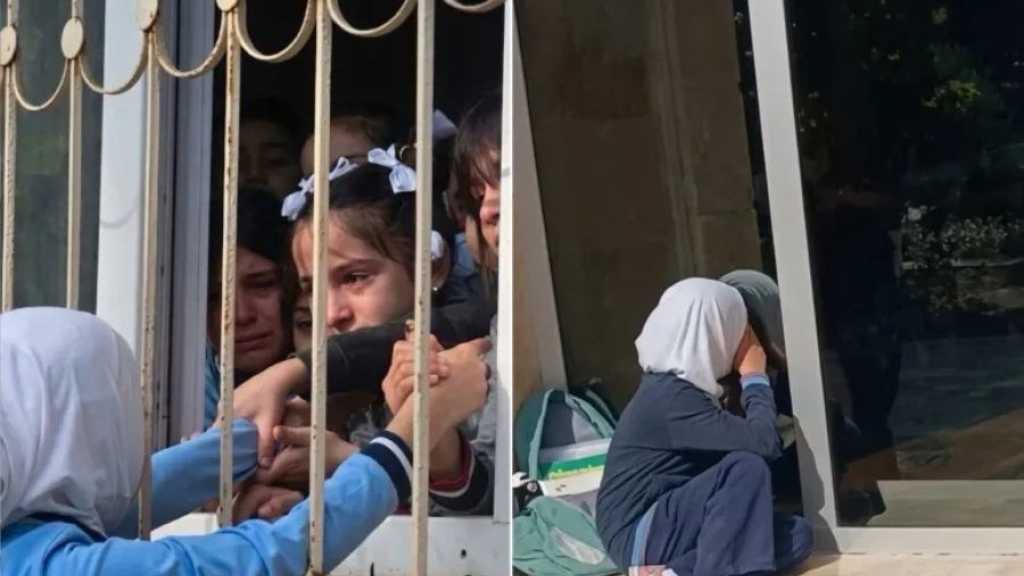
Azerbaijan’s government has turned a school dress code into a confrontation over religious freedom, exposing the contradictions of a predominantly Muslim nation whose leaders see independent religious expression as a political threat. In a country of about 10 million people, around 96 percent identify as Muslim, with Shiites constituting the majority, and yet girls and teachers wearing the hijab have been turned away from classrooms. What might appear to outsiders as a dispute over school uniforms reflects a deeper struggle over whether citizens can exercise their religious convictions without government interference.
The Legacy of Soviet Rule and Family Power
That tension is rooted in history. After the Soviet Union's collapse in 1991, Azerbaijan inherited a secular political system shaped by decades of communist rule, one that sidelined religious institutions without erasing the country's Shiite identity. Since Heydar Aliyev took power in 1993, succeeded by his son Ilham in 2003, political authority has remained concentrated within one family, and limits on opposition groups, independent media, and religious organizations reflect a pattern of suppressing alternative sources of influence. Although Azerbaijan's constitution guarantees freedom of conscience and separates religion from the state, the government's interpretation of secularism increasingly places state authority above individual religious choice.
The Hijab Restrictions and Religious Freedom
That helps explain why the hijab has become so fraught. School uniform rules introduced in 2010 led to headscarved girls being excluded from class and sparked protests and arrests. And while Azerbaijan has not imposed a blanket nationwide ban, the pattern of restrictions in schools and on official documents has forced many women to choose between education and faith. The U.S. Commission on International Religious Freedom has documented broader controls, including criminal penalties for unregistered religious activity and regulation of religious literature, underscoring that the issue is not simply a question of uniforms but of state control. The deeper problem is not whether Azerbaijan is secular, but whether secularism is being used to justify restrictions on peaceful religious expression. A genuinely secular government should protect the rights of believers and nonbelievers alike, rather than treating visible expressions of faith as threats to public institutions.
Iran and the Fear of Foreign Influence
That tension is sharpened by Azerbaijan's fraught relationship with Iran, a fellow Shiite-majority state with which Baku shares religious and cultural links but not political trust. Azerbaijani officials have accused Iranian networks of seeking influence inside the country, while Tehran views Baku's extensive security ties with “Israel” as a threat. Governments can legitimately investigate credible security threats, but conflating a woman's hijab or independent Shiite study groups with foreign subversion risks turning personal faith into a political crime and deepening the very grievances the state claims to prevent. The presence of a substantial ethnic Azerbaijani population inside Iran adds another layer of sensitivity, making the relationship between the two neighbors a complicated mixture of shared identity, geopolitical rivalry, and mutual suspicion.
Western Interests and the Double Standard
Azerbaijan's strategic partnerships further complicate the picture. Western governments that invoke religious freedom as universal maintain close ties with Baku. Europe values Azerbaijani natural gas, especially since Russia's war in Ukraine disrupted energy supplies. And Azerbaijan's security relationship with “Israel” gives it additional leverage in a region shaped by confrontation with Iran. Although U.S. religious freedom monitors have criticized Baku, those concerns have not fundamentally altered strategic cooperation, revealing a persistent double standard. If religious freedom is truly universal, it cannot be applied only when convenient, nor set aside because a government is useful to Western interests. The contrast is particularly striking when governments that regularly condemn restrictions on religious minorities elsewhere respond far less forcefully when a strategically valuable partner imposes restrictions on its own Muslim population.
Where Repression Could Lead
President Ilham Aliyev may believe that strict controls will protect the state from outside interference or internal challenge, but coercion carries its own risks. Excluding girls from classrooms and policing religious identity can transform private frustration into public opposition, especially among citizens who already feel distant from their government. A state confident in its legitimacy need not fear a headscarf, and allies who claim to defend freedom should not avert their eyes when that freedom is curtailed. Azerbaijan can defend its sovereignty without demanding that citizens surrender core expressions of their faith.
Comments