The Graveyard of Ambition: How Yemen Turned Saudi Arabia’s Sure Thing into a Costly Quagmire
By Mohamad Hammoud
Riyadh marched in expecting surrender within weeks. Eleven years later, Ansarullah is striking the Saudi capital, threatening its economic ambitions, and forcing the kingdom to confront the limits of its power.
How the War Began
When the Arab Spring reached Yemen in 2011, it ended Ali Abdullah Saleh's 33-year rule and left behind a fractured state under his deputy, Abdrabbuh Mansur Hadi. Corruption persisted, the army splintered, and Ansarullah - the Houthis - emerged from the northern mountains as a powerful movement rooted in the grievances of Yemen's Zaidi community. By September 2014, Ansarullah had entered Sanaa, and by March 2015, Hadi had fled the country.
A Campaign Built on a Miscalculation
On March 26, 2015, Saudi Arabia launched Operation Decisive Storm, assembling an Arab military coalition backed by Western weaponry and intelligence to subdue Ansarullah and quickly re-establish a compliant government on its southern perimeter. Instead, the kingdom walked into a historical trap that has repeatedly humbled foreign interventionists. Eleven years later and after countless airstrikes, Ansarullah still holds Sanaa, controls much of northern Yemen, and possesses weapons capable of striking deep inside Saudi territory and the “Israeli” entity.
A Land Where Invaders Go to Be Forgotten
Riyadh might have seen it coming had it read Yemen's history more carefully. Ottoman expeditions in the 1500s and again in the 1800s met fierce resistance. The British seized Aden in 1839 but withdrew in 1967 after years of rebellion. In the 1960s, Gamal Abdel Nasser sent tens of thousands of Egyptian troops into Yemen's civil war, only to become trapped in a costly mountain campaign. Each arrived convinced its superior power would prevail; each discovered the limits of foreign intervention.
Saudi Arabia failed to learn even from more recent history: neither the Americans nor the “Israelis,” despite possessing far greater military power, managed to subdue Ansarullah.
The Strike That Reopened the War
In April 2022, a UN-brokered truce helped de-escalate the war in Yemen, significantly reducing hostilities between Ansarullah and the Saudi-led coalition. Yet Saudi Arabia maintained restrictions on flights and maritime shipments entering Yemen, leaving important elements of the conflict unresolved.
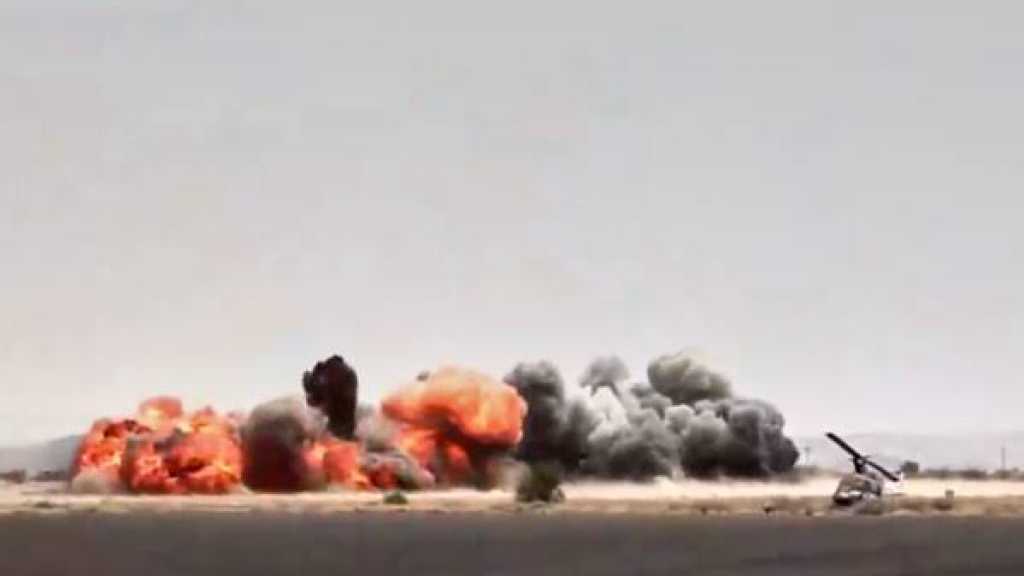
Ansarullah largely maintained the de-escalation, but that quiet ended on July 13, 2026, when Saudi forces bombed the runway at Sanaa International Airport. The strike was meant to stop an Iranian plane carrying an Ansarullah delegation returning from Tehran after attending Ali Khamenei's funeral. The plane diverted to Hodeidah. That same day, Ansaullah said the truce was over and launched missiles and drones at Saudi Arabia's Abha Airport. Their message was blunt: if you hit our airports, we'll hit yours. The war Riyadh had once expected to end within weeks had returned to Saudi soil.
The Economic Cost of Saudi Arabia's War
Saudi Arabia learned the vulnerability of its economic lifelines in September 2019, when Ansarullah claimed responsibility for attacks on Abqaiq and Khurais that disrupted roughly half of the kingdom's oil production. Seven years later, the threat had reached the heart of the Saudi capital, as repeated strikes targeted Riyadh's King Khalid International Airport, including an October 10 attack that reportedly killed at least 12 people, injured hundreds, and threw flights into chaos. What started as a war across the border has become a direct risk to Saudi Arabia's own stability.
For Crown Prince Mohammed bin Salman, the consequences extend far beyond the battlefield. His ambitious economic transformation depends on uninterrupted oil production, functioning airports, expanding tourism, and foreign investors confident in the kingdom's security. As the Wall Street Journal reported in October, Ansarullah's escalating pressure was complicating those ambitions at a time when Saudi finances were already under strain. The kingdom recorded a $9.1 billion budget deficit in the second quarter of 2026 and projected a roughly $44 billion shortfall for the year. Meanwhile, rising debt, mounting military expenditures, and growing security risks continue to drive up the cost of a war Riyadh once expected to win cheaply.
The Reversal of Ambition
Saudi Arabia entered Yemen expecting to dictate its neighbor's future. Instead, Ansarullah survived, expanded its reach, and demonstrated that Saudi economic assets were no longer beyond retaliation. Eleven years later, Riyadh has not subdued the movement. Yemen's mountains have again turned an outside power's ambition into a costly lesson - and the bill is arriving in Saudi Arabia itself.
Comments