- Home
- ISLAMIC RESISTANCE
- SECRETARY-GENERAL
-
Full Speeches
- Speeches-2000
- Speeches-2006
- Speeches-2007
- Speeches-2008
- Speeches-2009
- Speeches-2010
- Speeches-2011
- Speeches-2012
- Speeches-2013
- Speeches-2014
- Speeches-2015
- Speeches-2016
- Speeches-2017
- Speeches-2018
- Speeches-2019
- Speeches-2020
- Speeches-2021
- Speeches-2022
- Speeches-2023
- Speeches-2024
- Speeches-2025
- Speeches-2026
- Speech-Reports
- SG
-
Full Speeches
- Voices
- Ten Day Dawn
- The Biggest Crime
- Martyr Leaders

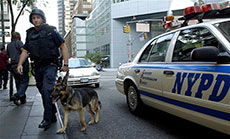
NYDP ‘Stop-and-Frisk” Ruled As Discriminatory, Skepticism Prevails on Results
Local Editor
A US judge ruled on Monday the New York Police Department's "stop-and-frisk" crime-fighting tactic unconstitutional, yet people of color in America are still concerned about the police tactic.
US District Judge Shira Scheindlin called it "indirect racial profiling" because it targeted racially defined groups, resulting in the disproportionate and discriminatory stopping of tens of thousands of blacks and Hispanics while the city highest officials "turned a blind eye," she said.
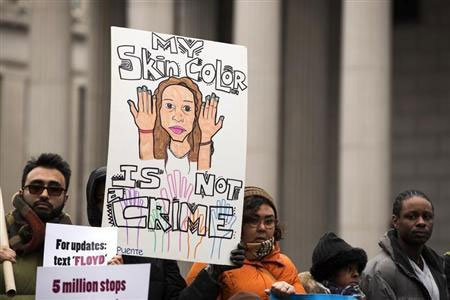
Still, many people in Brownsville in eastern Brooklyn, New York City, say Judge Scheindlin's decision only affirmed what they already knew, and that they are concerned that the practice would continue.
"We all want security, but we don't want security by treading on your constitutional rights," the New York Times quoted Winston Cooper as saying.
Cooper, 62, said he had been stopped about eight times by the New York police, sometimes just for re-entering his building.
"I would understand if there's a genuine thing - that's cool," he said. "But don't tell me every night, people are coming in, needing to be stopped."
Scheindlin wrote in her opinion "No one should live in fear of being stopped whenever he leaves his home to go about the activities of daily life."
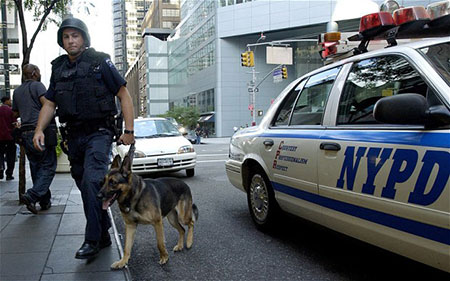 Scheindlin ordered the appointment of an independent monitor to oversee compliance with other remedies she ordered, including adopting written policy guideline specifying circumstances where stops are authorized.
Officers often frisked young minority men for weapons or searched their pockets before letting them go, in a violation of the Constitution's Fourth Amendment that protects against unreasonable searches and seizures, the judge said in her 195-page decision.
The number of stops rose to 685,724 in 2011 from 160,851 in 2003, with about half resulting in physical searches, a 2012 report by the New York Civil Liberties Union showed.
Source: News Agencies, edited by website team
Comments
- Related News

US Military Faces Strain as Iran War Continues
one month ago