- Home
- ISLAMIC RESISTANCE
- SECRETARY-GENERAL
-
Full Speeches
- Speeches-2000
- Speeches-2006
- Speeches-2007
- Speeches-2008
- Speeches-2009
- Speeches-2010
- Speeches-2011
- Speeches-2012
- Speeches-2013
- Speeches-2014
- Speeches-2015
- Speeches-2016
- Speeches-2017
- Speeches-2018
- Speeches-2019
- Speeches-2020
- Speeches-2021
- Speeches-2022
- Speeches-2023
- Speeches-2024
- Speeches-2025
- Speeches-2026
- Speech-Reports
- SG
-
Full Speeches
- Voices
- Ten Day Dawn
- The Biggest Crime
- Martyr Leaders

US Army Trains for Mass Battlefield Burials Amid Heavy-Casualty Scenarios
By Staff, Agencies
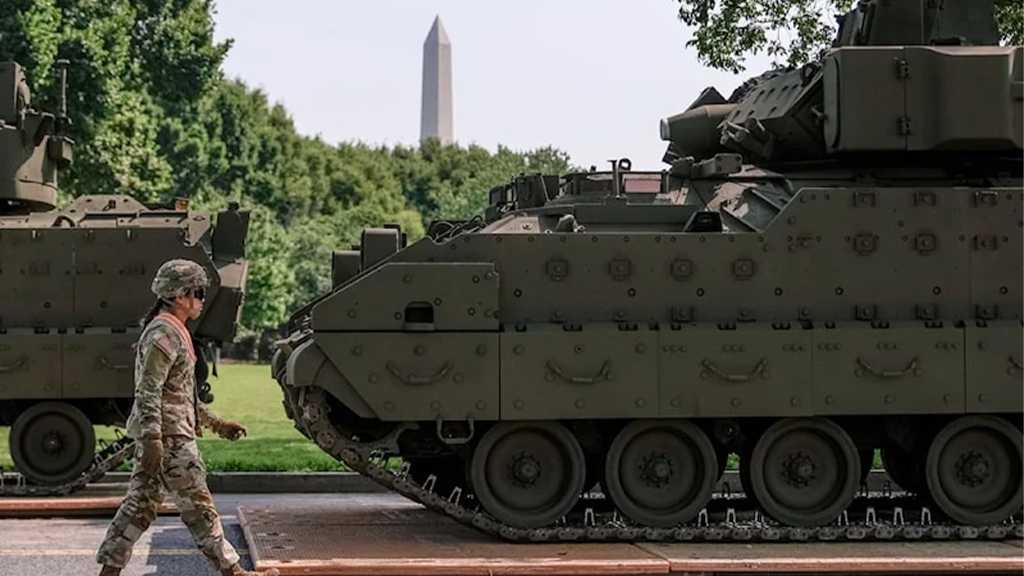
The US Army has begun training soldiers to bury large numbers of fallen troops in temporary battlefield graves, reviving procedures that have not been used on a large scale in decades, Newsweek reported.
The exercises involve personnel from the 3rd Corps Sustainment Command and the 20th Engineer Brigade, based at Fort Bragg, North Carolina, alongside military chaplains and other religious support personnel.
The drills examine how heavy machinery, including diggers, bulldozers and excavators, could be used to preserve remains until they can be identified and repatriated to the United States.
According to the Army, large-scale temporary battlefield burials have not been necessary since the Korean War, which lasted from 1950 to 1953.
The training is intended to prepare US forces for scenarios involving heavy casualties while combat operations remain underway.
Under such conditions, teams responsible for recovering fallen personnel could struggle to bury each individual separately or perform specific religious rites for everyone, particularly if casualties occur in large numbers.
Ongoing offensive and defensive operations could further complicate efforts to recover, identify and manage remains, making advance preparation and coordination essential.
US military regulations assign commanders at every level responsibility for caring for deceased personnel and ensuring their remains can be identified at a later stage.
The exercises therefore focus on establishing procedures to manage mass casualties while maintaining accountability for remains and ensuring fallen service members are treated with dignity.
Comments
- Related News