- Home
- ISLAMIC RESISTANCE
- SECRETARY-GENERAL
-
Full Speeches
- Speeches-2000
- Speeches-2006
- Speeches-2007
- Speeches-2008
- Speeches-2009
- Speeches-2010
- Speeches-2011
- Speeches-2012
- Speeches-2013
- Speeches-2014
- Speeches-2015
- Speeches-2016
- Speeches-2017
- Speeches-2018
- Speeches-2019
- Speeches-2020
- Speeches-2021
- Speeches-2022
- Speeches-2023
- Speeches-2024
- Speeches-2025
- Speeches-2026
- Speech-Reports
- SG
-
Full Speeches
- Voices
- Ten Day Dawn
- The Biggest Crime
- Martyr Leaders

Netanyahu Threatens Rivals with Early Election
Local Editor
"Israeli" Prime Minister Benjamin Netanyahu, enmeshed in a cabinet crisis, said Monday he would call early national elections unless rebellious ministers stopped attacking government policies.
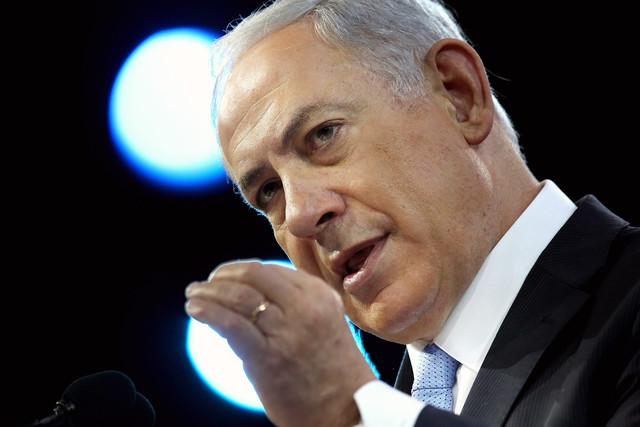
His coalition, dominated by the right-wing, is split on a range of issues, including the 2015 budget, high living costs, policy toward the Palestinians and a so-called "Jewish"-state bill.
The divisions have prompted speculation that Netanyahu will bring forward an election that is not scheduled until 2017.
In public remarks to members of his Likud party, Netanyahu gave his strongest indication yet that an early ballot could be in the offing.
"I have not enjoyed the fulfillment of even the most fundamental obligation - the loyalty and responsibility of ministers to the government in which they serve," he said.
Moreover, he added: "I demand these ministers stop their undermining, stop the attacks."
"I demand that they close ranks behind the proper policy for leading the nation, for its security, economy and lowering the cost of living, in every aspect. If they agree to do so, we can continue to work together. If they refuse, we will draw conclusions, and go to the voters."
Netanyahu was due to meet later Monday and Tuesday with two of his fiercest Cabinet critics - Finance Minister Yair Lapid, who has been sparring with the prime minister over the 2015 state budget, and so-called "Justice" Minister Tzipi Livni.
An opinion poll published by the left-leaning Haaretz newspaper Sunday showed that although Netanyahu's popularity was declining, he was still very likely to win a fourth term as prime minister if an election were held today.
The poll showed Netanyahu's approval rating had slipped to 35 percent, compared with 42 percent at the end of the July-August aggression against the besieged Gaza Strip, but he still led the race against other potential contenders.
If there is no agreement and final parliamentary approval by the end of this year, the original 2014 budget, which excludes midyear increases, will be used to allocate spending next year.
The last parliamentary election was held in January 2013, with Netanyahu then taking two months to piece together a five-party coalition government.
Source: News Agencies, Edited by website team
- Related News