- Home
- ISLAMIC RESISTANCE
- SECRETARY-GENERAL
-
Full Speeches
- Speeches-2000
- Speeches-2006
- Speeches-2007
- Speeches-2008
- Speeches-2009
- Speeches-2010
- Speeches-2011
- Speeches-2012
- Speeches-2013
- Speeches-2014
- Speeches-2015
- Speeches-2016
- Speeches-2017
- Speeches-2018
- Speeches-2019
- Speeches-2020
- Speeches-2021
- Speeches-2022
- Speeches-2023
- Speeches-2024
- Speeches-2025
- Speeches-2026
- Speech-Reports
- SG
-
Full Speeches
- Voices
- Ten Day Dawn
- The Biggest Crime
- Martyr Leaders

Yemen’s President, Cabinet Resign
Local Editor
Yemen's President resigned Thursday night shortly after his prime minister and the Cabinet stepped down: seismic changes in the country's political scene that come just one day after the government and Houthi rebels struck a tentative peace deal meant to end days of turmoil.
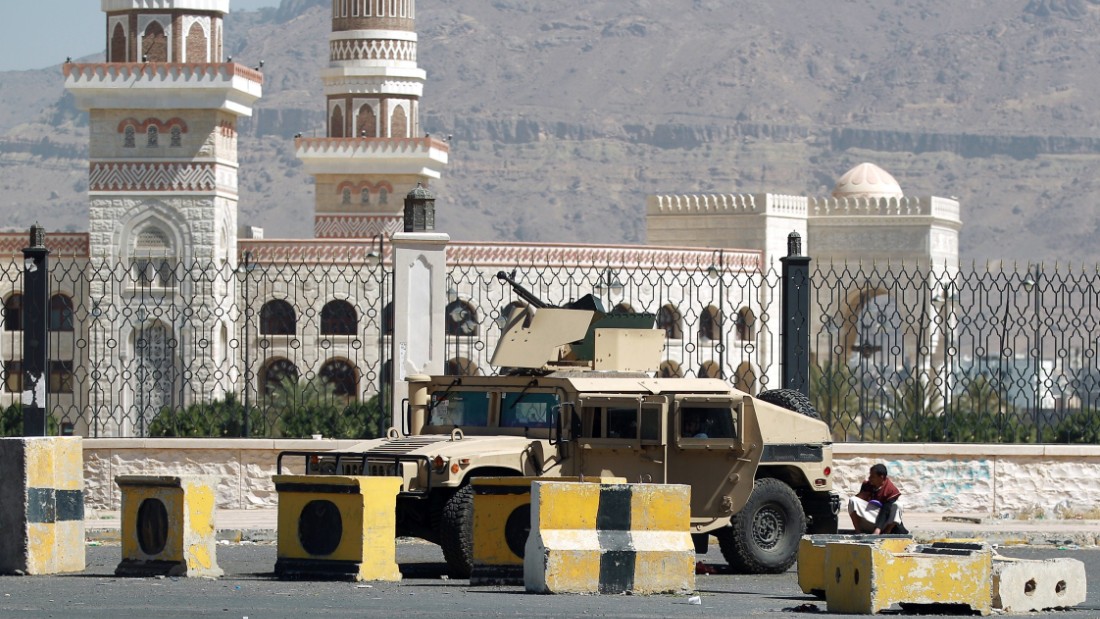
The United States responded by reducing embassy personnel in the capital because of security concerns, a senior State Department official said Thursday night. "While the embassy remains open and is continuing to operate, we may continue to re-align resources based on the situation on the ground," the official said.
The Cabinet and Prime Minister Khaled Bahah resigned before Hadi did on Thursday night, with Bahah telling Hadi in a letter that they essentially wanted to wash their hands of "destructive political chaos," an apparent reference to the deal that was to give Houthis more power.
We resigned "so that we are not made party to what is going on and what will happen," Bahah wrote in the letter, which Yemeni Information Minister Nadia Sakkaf posted on Twitter.
Hadi's resignation came soon afterward. It wasn't immediately clear who would succeed Hadi.
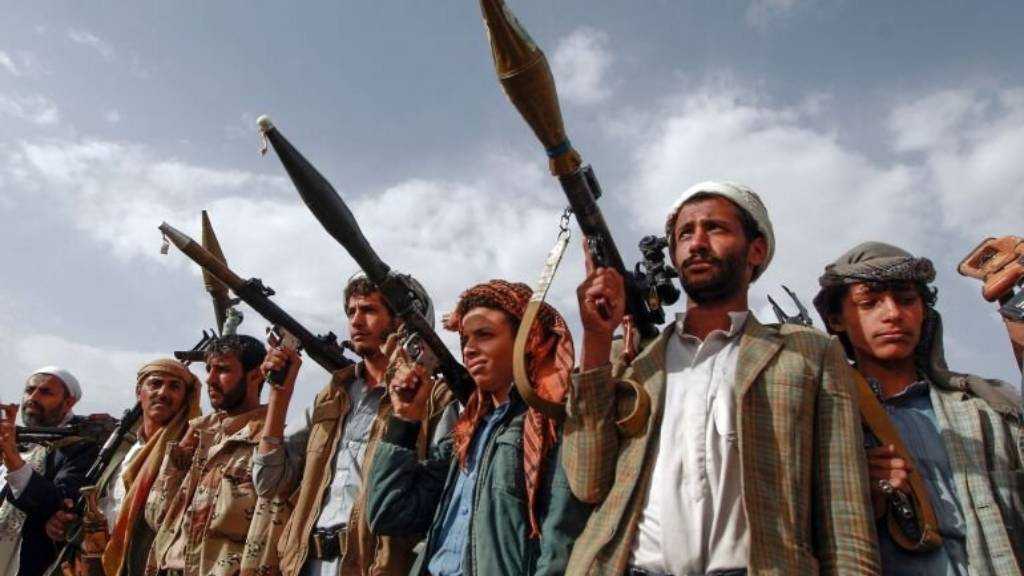
The Houthi rebels, have long felt marginalized, captured presidential Chief of Staff Ahmed bin Mubarak in the capital, Sanaa, on Saturday. The rebels then took over the presidential palace Tuesday.
The tentative deal reached Wednesday called for bin Mubarak's release, as well as measures to give the Houthis more political power, according to a Yemeni official with access to a draft text of the agreement.
Mistrust was hampering the implementation of the peace deal, both sides said Thursday.
Questions about who was in charge over the past few days have sparked concerns that regarding power vacuum.
Under the peace deal, the Houthi rebels agreed to withdraw from key government institutions if officials take a significant step: rewriting parts of the country's constitution, according to the Yemeni official.
Under its terms, the government would accept changes in the draft of the new constitution that would grant the Houthis more political power.
Word of the deal still leaves many questions unanswered: What could the reshaped constitution look like?
Source: News Agencies, Edited by website team
Comments
- Related News