- Home
- ISLAMIC RESISTANCE
- SECRETARY-GENERAL
-
Full Speeches
- Speeches-2000
- Speeches-2006
- Speeches-2007
- Speeches-2008
- Speeches-2009
- Speeches-2010
- Speeches-2011
- Speeches-2012
- Speeches-2013
- Speeches-2014
- Speeches-2015
- Speeches-2016
- Speeches-2017
- Speeches-2018
- Speeches-2019
- Speeches-2020
- Speeches-2021
- Speeches-2022
- Speeches-2023
- Speeches-2024
- Speeches-2025
- Speeches-2026
- Speech-Reports
- SG
-
Full Speeches
- Voices
- Ten Day Dawn
- The Biggest Crime
- Martyr Leaders

’Israeli’ Ground Forces Not Prepared For Another War
Local Editor
In fear of another war, "Israeli" army decided to bolster the Ground Forces, which has been less of a priority in terms of budgets and operational plans compared to the Air Force and Military Intelligence.
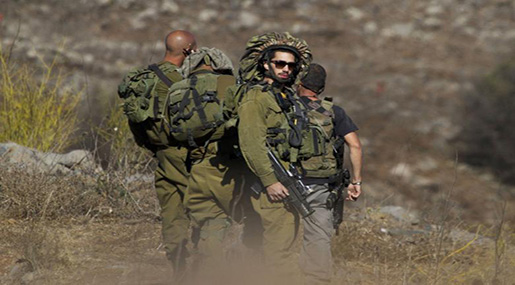
The Zionist Chief of Staff Gadi Eisenkot, who was briefed on the matter before beginning his tenure, announced a significant budget increase for the Ground Forces in order to resolve the issue before another conflict erupts, instructing Deputy Chief of Staff Yair Golan to divert funds to the Ground Forces as part of an internal re-organization in the army.
The army decided to increase training for infantry and armored units and has forbidden deploying units on operational duty at the expense of training - unless given special authorization.
"Eisenkot's next task will be to convince the political echelon that it is necessary to purchase armored vehicles and protection systems for Ground Forces," the daily mentioned.
The most dramatic change being made in the Ground Forces involves the reservists. Four months ago, State Comptroller Joseph Shapira released a sharply-worded report on the condition of the Ground Forces' reserve troops, which he said were not sufficiently trained and equipped to deal with a future conflict. The report stated that because of budget cuts, Ground Forces can only fund training for 80 percent of reserve soldiers.
"In such a situation," warned the comptroller, "there is no certainty that reserve soldiers called up during an emergency will be those who received the required training. The comptroller criticized outgoing chief of staff Benny Gantz and War Minister Moshe Ya'alon, saying Gantz had failed to press Ya'alon on the preparedness of the reserves, and that the war minister had not approved the required level of preparedness
The comptroller advised the new army chief to set a "minimum budget" to maintain the Reserve Force's competence, noting such budget should not depend on the size of the overall military budget.
As a result of the conclusions, based on a report by Brig.-Gen. Roni Noma - who was at the head of a special committee to examine the competence of reserve troops - resulted in a decision to reduce the amount of reserves while giving the remaining forces considerable training, thus creating a smaller but more well-trained reserve force.
The army has thus decided to sharply reduce the number of reserve units, from a standard that sometimes stood at 200 percent of the allocated number and usually stood at 160 percent to a reduced standard of 120 percent at most.
Source: News Agencies, Edited by website team
Comments
- Related News