- Home
- ISLAMIC RESISTANCE
- SECRETARY-GENERAL
-
Full Speeches
- Speeches-2000
- Speeches-2006
- Speeches-2007
- Speeches-2008
- Speeches-2009
- Speeches-2010
- Speeches-2011
- Speeches-2012
- Speeches-2013
- Speeches-2014
- Speeches-2015
- Speeches-2016
- Speeches-2017
- Speeches-2018
- Speeches-2019
- Speeches-2020
- Speeches-2021
- Speeches-2022
- Speeches-2023
- Speeches-2024
- Speeches-2025
- Speeches-2026
- Speech-Reports
- SG
-
Full Speeches
- Voices
- Ten Day Dawn
- The Biggest Crime
- Martyr Leaders

Yemen amidst the Turbulence of Foreign Intervention
Local Editor
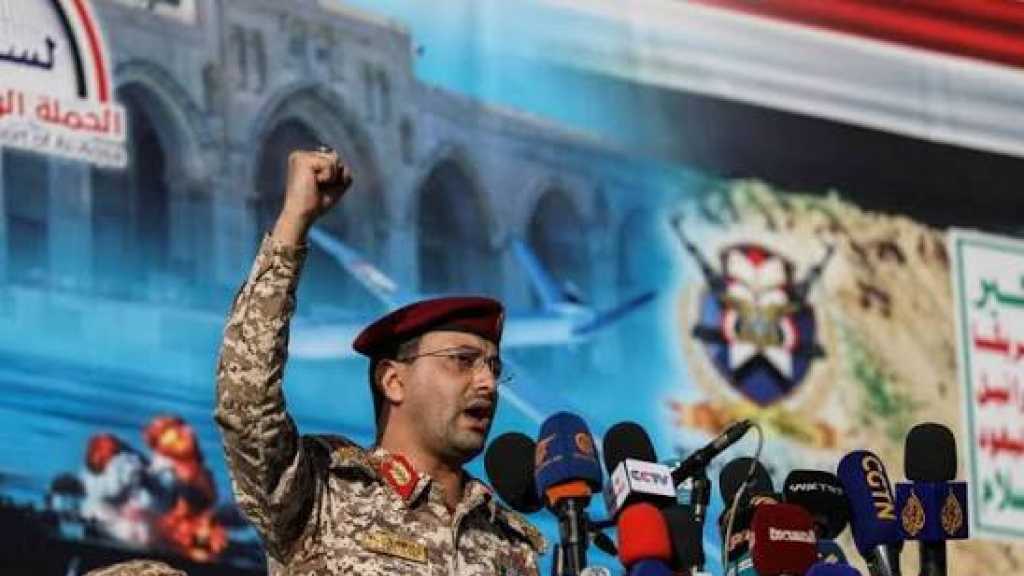
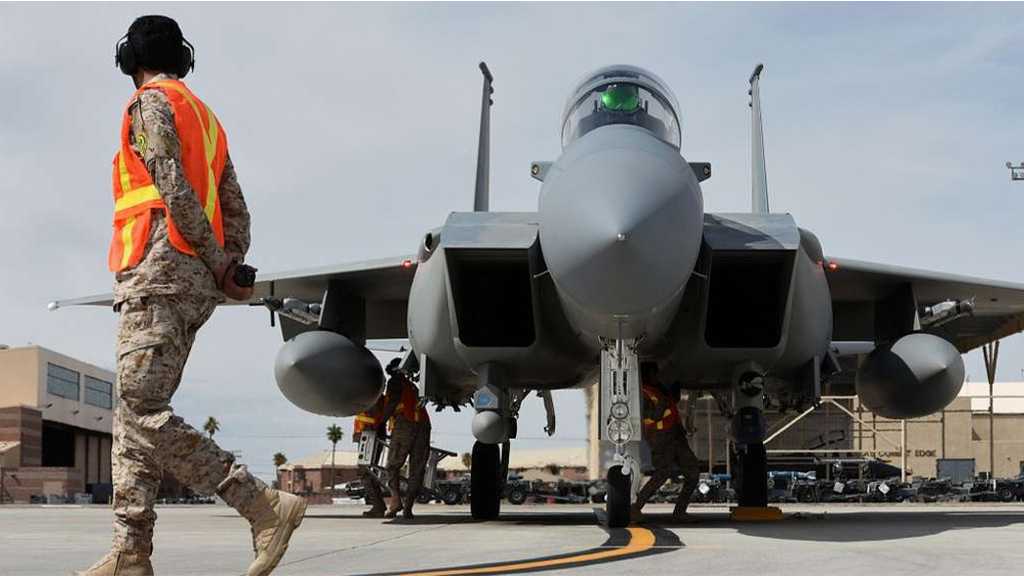
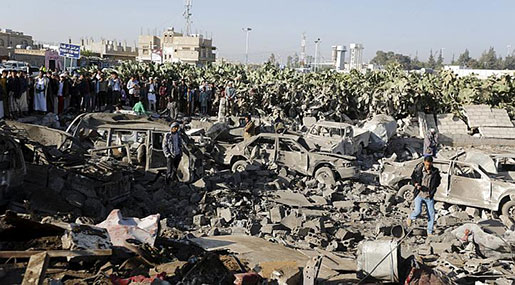
In the light of the regional escalations, most recently in Yemen, the governments of Saudi Arabia, the United Arab Emirates, Bahrain, Qatar, Kuwait, and Jordan had launched an aerial aggression against their Gulf neighbor.
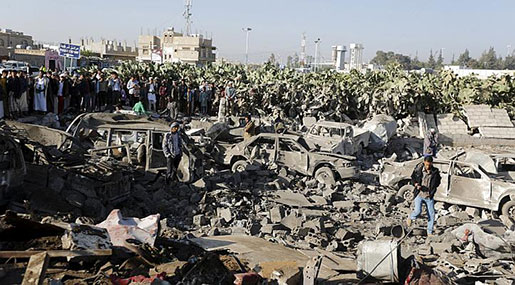
According to an article published by the Carnegie Endowment for International Peace website, the intervention, dubbed Operation Decisive Storm, included all member states of the Gulf Cooperation Council [GCC] except Oman in addition to Egypt and Sudan, but Saudi Arabia-long an influential actor in Yemeni politics-was clearly the driving force behind it.
Internationally, Turkey was considering providing logistical support and the United States had openly backed the operation.
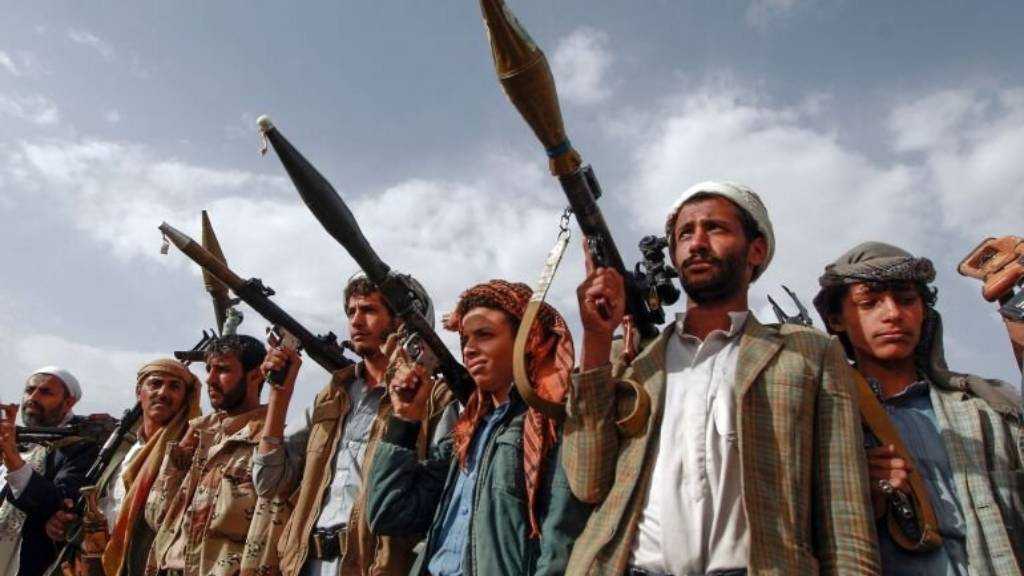
On one level, while the chief combatants in the civil war were certainly playing the sectarian card to some degree, there was reason to think that Yemen would not necessarily become part of some regional sectarian conflict.
However, an article in the Political Magazine website stressed that "regardless of their foreign ties, both the Houthi and their opponents were deeply rooted in Yemen, and they were motivated primarily by local issues."
Further into the point, the article indicated that "the main danger now was that the Western powers, Saudi Arabia or Egypt would overreact and seek to intervene."
Yet foreign intervention could very well be the worst approach now-further regionalizing what was still a local fight, injecting a stronger sectarian tone into the conflict while threatening to push Yemen closer to implosion.
Further to the issue, Yemen's future path remained blurry, "but what is abundantly clear at the moment was that this remained, by and large, an internal Yemeni political conflict-one that, despite frequent sectarian mischaracterizations and potential regional implications, remained deeply rooted in local Yemeni issues" the Political Magazine article explained.
The article further interpreted that if history was a guide then foreign intervention would only stand to exacerbate the situation.
The website article also highlighted the ironic situation and pointed out that the "talk now centered on a potential Saudi Arabian and Egyptian military intervention in Yemen, a scenario that immediately brought to mind the memory of North Yemen's 1960s Civil War which saw both sides intervene-albeit on different sides-in a matter which only appeared to draw the conflict out further."
This is not to say that there isn't a place for foreign powers to aid Yemeni factions in negotiating some new political settlement. But any nation that aimed to make Yemen's fight their own was more than likely to come out on the losing side.
In a related notion, Saudis aimed to use their air operation to gain greater leverage in negotiations for some sort of power-sharing agreement.
Consequently, the net effect of this operation was ultimately dangerous for Yemen's future path.
The Carnegie article concluded: "It would open up more fissures on the ground, perhaps bolster the Houthis' popular support as defenders of Yemeni sovereignty, and create more opportunities for AQAP and the "ISIL" to flourish."
Source: News Agencies, Edited by website team
Comments
- Related News