- Home
- ISLAMIC RESISTANCE
- SECRETARY-GENERAL
-
Full Speeches
- Speeches-2000
- Speeches-2006
- Speeches-2007
- Speeches-2008
- Speeches-2009
- Speeches-2010
- Speeches-2011
- Speeches-2012
- Speeches-2013
- Speeches-2014
- Speeches-2015
- Speeches-2016
- Speeches-2017
- Speeches-2018
- Speeches-2019
- Speeches-2020
- Speeches-2021
- Speeches-2022
- Speeches-2023
- Speeches-2024
- Speeches-2025
- Speeches-2026
- Speech-Reports
- SG
-
Full Speeches
- Voices
- Ten Day Dawn
- The Biggest Crime
- Martyr Leaders

Berri: It is the electoral law that they are against more than anything else

Berri: It is the electoral law that they are against more than anything else
Aoun accuses ruling coalition of rejecting legislation without offering alternative
Source: The Daily Star, 14-03-2008
BEIRUT: Amid a heated debate between pro-government and opposition forces in Lebanon over the shape of the future cabinet, Parliament Speaker Nabih Berri argued that the main obstacle to ending the country's protracted political crisis was the disagreement on a new electoral law for the 2009 parliamentary elections.
After multiple dialogue sessions aimed at bridging the gap between the feuding parties in order to facilitate the implementation of the three-point Arab initiative on Lebanon, the contending sides fell short of agreeing on the second and third points of the initiative.
The initiative called for electing Lebanese Armed Forces commander General Michel Suleiman as president, the formation of a national unity government, and the drafting of a new electoral law for the 2009 elections. The opposition and ruling coalition agreed on electing Suleiman, but remained at odds over the shape of the new government and the make-up of the new electoral law.
Berri said in a television interview last month that had it not been for the ruling coalition's refusal to adopt the qada-based 1960 electoral law for the 2009 elections, they would have come close to an agreement on the shape of the future Cabinet.
"It is the electoral law that they are against more than anything else," Berri told ANB satellite television on February 22.
However, leaders of the ruling coalition said they were not against a qada-based law, but argued that the 48-year old 1960 formula was not necessarily the best one.
Maronite Patriarch Nasrallah Butros Sfeir agreed with the ruling coalition, saying the 1960 law was no longer applicable.
Opposition Marada Movement leader Suleiman Franjieh criticized Sfeir for "changing his mind on the 1960 electoral law.
"I don't understand how the patriarch suddenly changed his mind regarding the 1960 law after he spent 20 years struggling for it," Franjieh said earlier this month.
He added that the ruling coalition has misled Sfeir by convincing him the 1960 law does not serve Christians the best.
Free Patriotic Movement leader MP Michel Aoun accused the parliamentary majority of rejecting the 1960 law without suggesting an alternative.
"We proposed the 1960 formula, but we are open to discuss other options," Aoun told his supporters late February.
Lebanese Forces leader Samir Geagea argued earlier that he was in favor of small electoral constituencies, but Berri said the opposition is not ready to accept smaller constituencies than those recognized in the 1960 formula.
- Related News
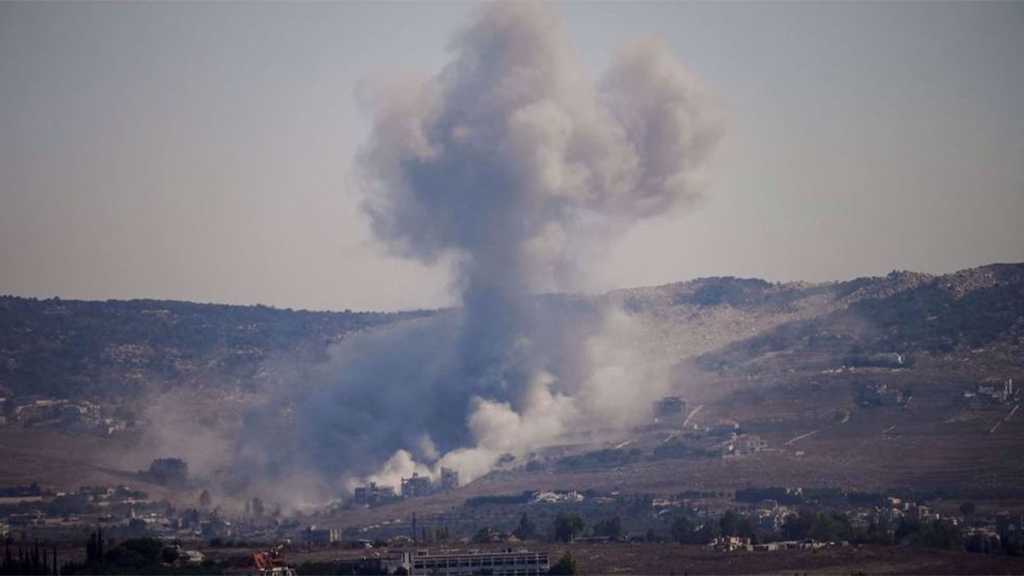
13 Killed in ’Israeli’ Strikes on Southern Lebanon
one month ago