- Home
- ISLAMIC RESISTANCE
- SECRETARY-GENERAL
-
Full Speeches
- Speeches-2000
- Speeches-2006
- Speeches-2007
- Speeches-2008
- Speeches-2009
- Speeches-2010
- Speeches-2011
- Speeches-2012
- Speeches-2013
- Speeches-2014
- Speeches-2015
- Speeches-2016
- Speeches-2017
- Speeches-2018
- Speeches-2019
- Speeches-2020
- Speeches-2021
- Speeches-2022
- Speeches-2023
- Speeches-2024
- Speeches-2025
- Speeches-2026
- Speech-Reports
- SG
-
Full Speeches
- Voices
- Ten Day Dawn
- The Biggest Crime
- Martyr Leaders

Civilians Paying Heavy in Yemen’s Taiz, Health Care Collapses... Saudis Continue to Use US-Made Cluster Bombs
Local Editor
Nearly 100 civilians have been killed in the past two weeks in Yemen's southwestern city of Taiz where a collapsing health care service and outbreak of dengue fever are compounding a dire humanitarian situation, the United Nations said on Tuesday.
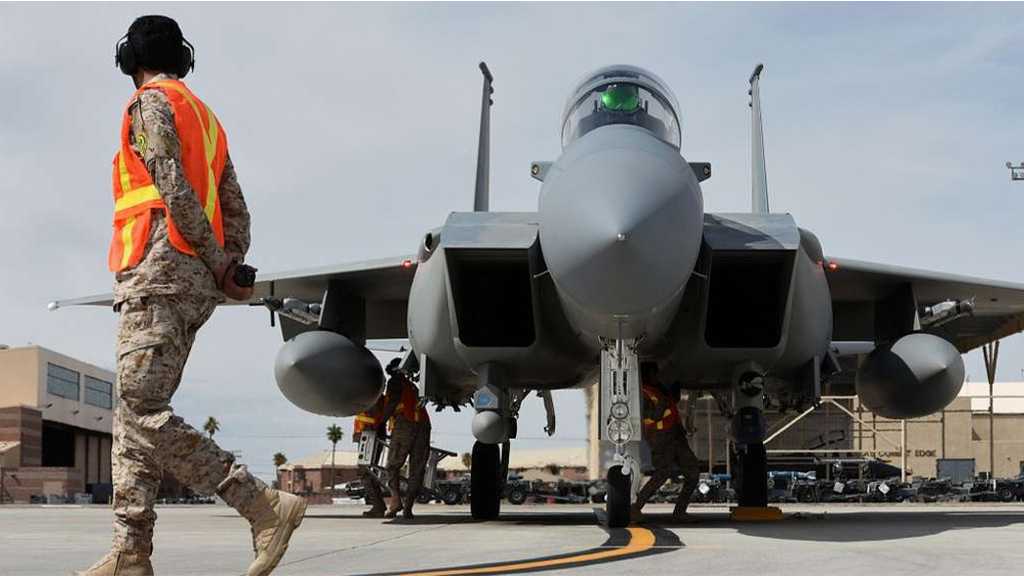
The toll of 95 includes 53 civilians who died in Saudi-led air strikes on Taiz on Aug 21 that also hit 20 homes, the UN human rights spokeswoman Cecile Pouilly told a news briefing.
"We are alarmed by the steep increase in the number of civil casualties in Taiz in recent weeks," Pouilly said.
She further added: "We are also concerned about the near collapse of the health care system in Taiz where all six public hospitals are no longer operational due to the fighting."
Attacks by the Saudi-led coalition on Hodeidah port, a key entry point for aid supplies and commercial imports for Yemen, are complicating relief efforts, Pouilly added.
Cases in Taiz of dengue fever, a mosquito-borne viral disease that can be fatal, soared from 145 in mid-August to 421 as of Aug 25, the World Health Organization said.
The WHO has sent life-saving medicines to Taiz, WHO spokesman Christian Lindmeier said. The agency called last week for a ceasefire and humanitarian corridor to allow access to 3.2 million people in Taiz deemed at risk from fighting and disease.
"The risk of other communicable diseases like cholera also remains high especially given the poor water and sanitation conditions during this period," he added.
Since the conflict escalated in Yemen on 26th March, UN monitors have documented 6,631 civilian casualties, including 2,112 deaths.
Pouilly said the true figures could be much higher.
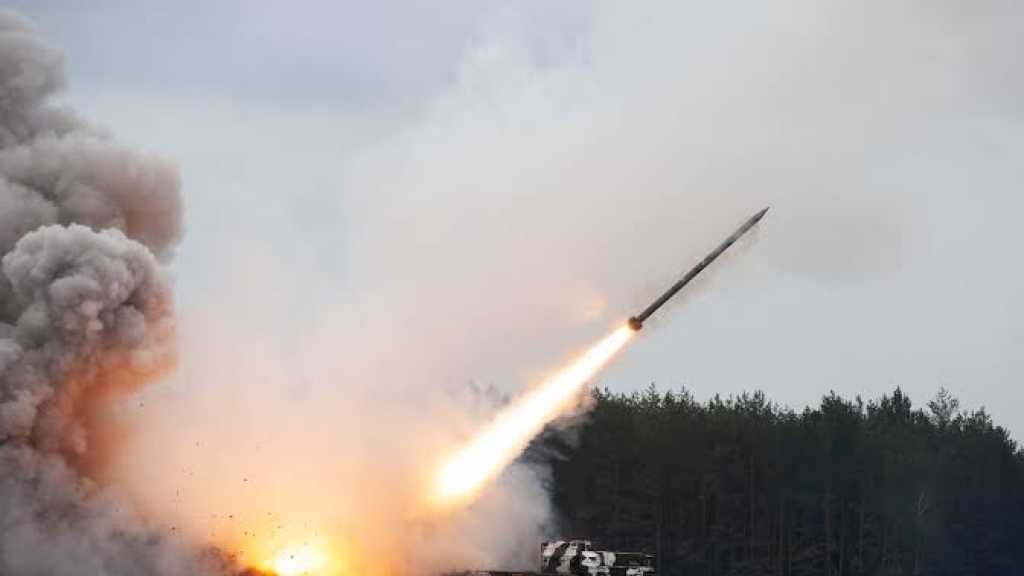
In parallel, Human Rights Watch has accused Saudi Arabia of using US-made cluster munition rockets in at least seven attacks in the Yemeni city of Hajjah between late April and mid-July.
Dozens of civilians were killed or wounded, both during the attacks and later, when they picked up unexploded sub munitions that detonated.
Neither the United States, Saudi Arabia nor Yemen have joined the global convention banning the use of cluster munitions.
Kenneth Roth of Human Rights Watch criticized the US stance on cluster munitions. "The US thinks that cluster munitions are legitimate weapons," Roth said. "The US still hasn't signed onto the landmines treaty. So, the US is very much behind the rest of the world."
"US should be using pressure on the Saudis not to be using these weapons at all, but certainly not to be using them in populated areas where, as we're seeing, Yemenis are being killed."
Source: News Agencies, Edited by website team
Comments
- Related News