- Home
- ISLAMIC RESISTANCE
- SECRETARY-GENERAL
-
Full Speeches
- Speeches-2000
- Speeches-2006
- Speeches-2007
- Speeches-2008
- Speeches-2009
- Speeches-2010
- Speeches-2011
- Speeches-2012
- Speeches-2013
- Speeches-2014
- Speeches-2015
- Speeches-2016
- Speeches-2017
- Speeches-2018
- Speeches-2019
- Speeches-2020
- Speeches-2021
- Speeches-2022
- Speeches-2023
- Speeches-2024
- Speeches-2025
- Speeches-2026
- Speech-Reports
- SG
-
Full Speeches
- Voices
- Ten Day Dawn
- The Biggest Crime
- Martyr Leaders

Amnesty: New Evidence for Saudi Cluster Munitions in Recent Attack in Yemen
Local Editor
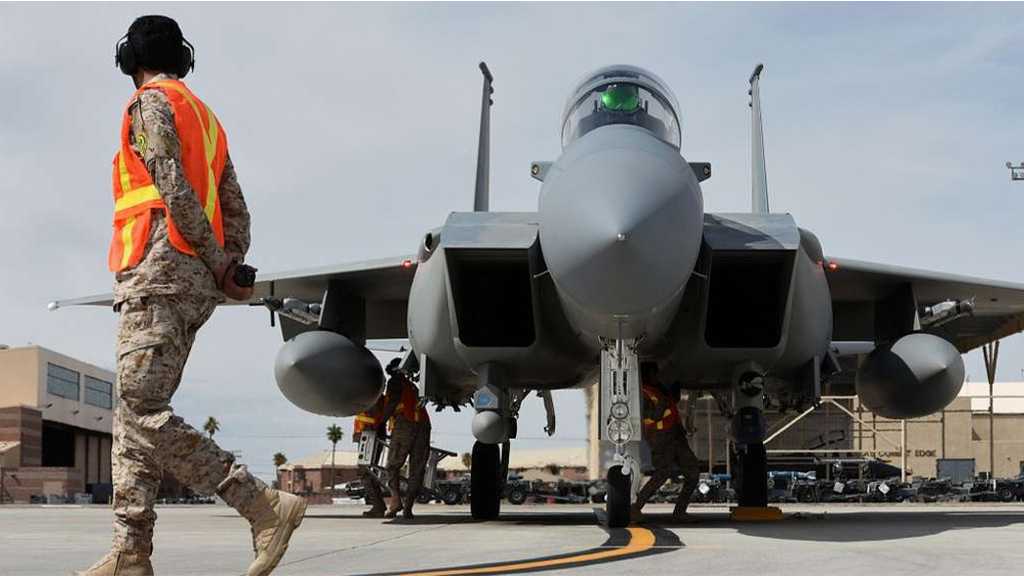
Evidence gathered by Amnesty International confirmed reports that the Saudi-led coalition forces dropped US-manufactured cluster munitions on the Yemeni capital, Sana'a, on 6 January 2016. The attack killed a 16-year-old boy and wounded at least six other civilians, and scattered sub munitions in at least four different residential neighborhoods.
Amnesty International is calling on the coalition to immediately stop using cluster munitions, which are inherently indiscriminate weapons and are internationally banned.
For its part, the Saudi-led coalition did not confirm that it carried out any attack on the areas hit on 6 January. However, the spokesperson of the coalition's military forces, General Ahmed al-Asiri, denied that the coalition had ever used cluster munitions in attacks on Sana'a and claimed they had only used them in one attack in Yemen, on a military target in Hajjah in April 2015.
Nonetheless, according to Amnesty's information, the coalition is the only party to the conflict that has the capability to drop bombs from the air and its research provides compelling evidence that it did indeed drop cluster munitions on 6 January.
Banned Cluster Bombs
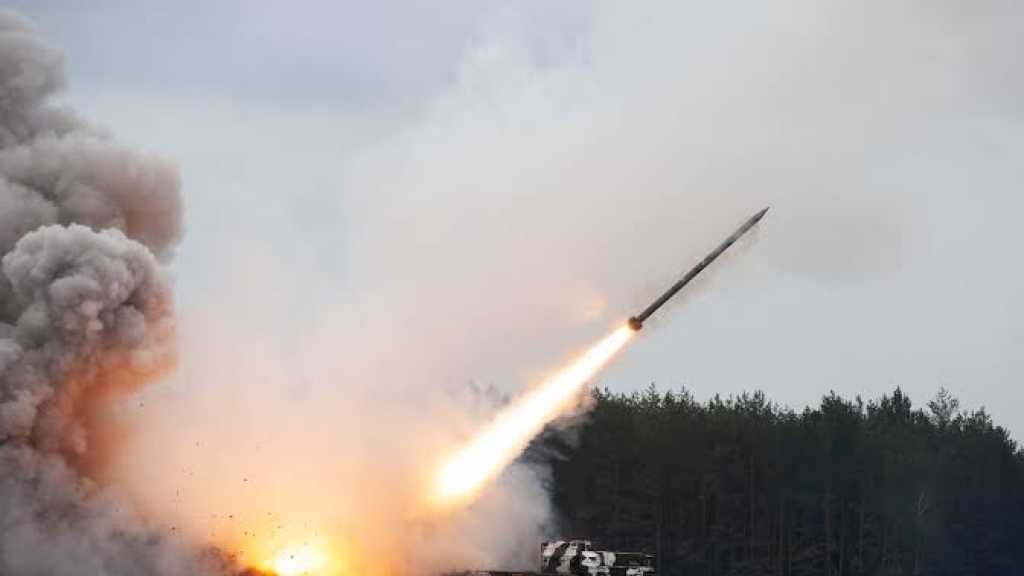
Cluster munitions contain between dozens and hundreds of sub munitions, which are released in mid-air, and scatter indiscriminately over a large area measuring hundreds of square meters. Those munitions could be either air-dropped or ground-launched.
Besides, cluster sub munitions have a high "dud" rate - meaning a high percentage of them fail to explode on impact, becoming de facto land mines that pose a threat to civilians for years after deployment. Under the 2008 Convention on Cluster Munitions, which has almost 100 states parties, the use, production, sale and transfer of cluster munitions is prohibited.
Even though the USA, Yemen, Saudi Arabia and the majority of the other members of the Saudi-led coalition participating in the conflict in Yemen are not parties to the Convention, under the rules of customary international humanitarian law they must not use inherently indiscriminate weapons, which invariably pose a threat to civilians.
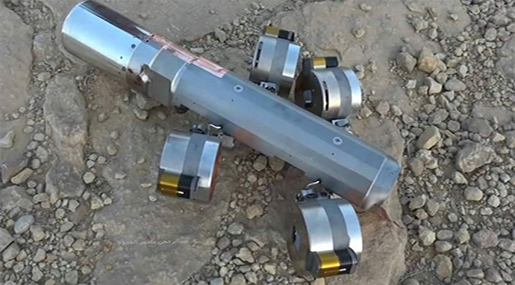
The organization reviewed photographs taken on 6 and 7 January in Sana'a that showed remnants of cluster munitions, including spherical sub munitions, and parts of the bomb or bombs that carried the sub munitions.
Amnesty International identified the munitions as US-made BLU-63 anti-personnel/anti-materiel sub munitions and components of a CBU-58 cluster bomb. Markings on the bomb remnants indicate that it was manufactured in 1978 at the Milan Army Ammunition Plant in the state of Tennessee in the USA.
Amnesty further documented the use of three types of cluster bombs by the Saudi coalition in Yemen since March 2015: a US-manufactured CBU-87, which dispenses 202 BLU97 sub munitions; the more sophisticated US-manufactured CBU-105 Sensor Fuzed Weapon [carrying BLU-108 Sensor Fuzed sub munitions]; and a third variant that resembled the Brazilian manufactured ASTROS II, all of which were used in Sa'da in northern Yemen.
Source: News Agencies, Edited by website team
Comments
- Related News