- Home
- ISLAMIC RESISTANCE
- SECRETARY-GENERAL
-
Full Speeches
- Speeches-2000
- Speeches-2006
- Speeches-2007
- Speeches-2008
- Speeches-2009
- Speeches-2010
- Speeches-2011
- Speeches-2012
- Speeches-2013
- Speeches-2014
- Speeches-2015
- Speeches-2016
- Speeches-2017
- Speeches-2018
- Speeches-2019
- Speeches-2020
- Speeches-2021
- Speeches-2022
- Speeches-2023
- Speeches-2024
- Speeches-2025
- Speeches-2026
- Speech-Reports
- SG
-
Full Speeches
- Voices
- Ten Day Dawn
- The Biggest Crime
- Martyr Leaders

Opposition floats fresh ideas to untangle political logjam

Source: Daily Star, 12-04-2008
BEIRUT: Free Patriotic Movement leader MP Michel Aoun was quoted as proposing on Friday that the commander of the Lebanese Armed Forces, General Michel Suleiman, lead an interim Lebanese government that would oversee the 2009 parliamentary elections. George Arraj of the Liberal Tigers group, a faction that separated from the National Liberal Party, told reporters that he discussed with Aoun on Friday the idea of Suleiman heading an interim government.
Meanwhile, Parliament Speaker Nabih Berri told As-Safir newspaper on Friday that the opposition was ready to forego bargaining over the shape of the next government if the 'March 14' ruling bloc agree to adopt the 1960 electoral law in the 2009 parliamentary elections.
Berri said he recently told former President Amin Gemayel the opposition is ready to "forgive the majority regarding the unity government issue" in return for a written commitment that the majority would not mind adopting the 1960 law.
Berri said that opposition groups Hizbullah and Amal have been open to all sorts of proposals regarding the electoral law.
"Despite the fact that we prefer larger electoral constituencies, we have decided to accept the 1960 law in order to satisfy Bkirki and to secure the rights of Christians," Berri said. "Those who object to the 1960 law want to secure 46 MPs without having to head to election."
"They want to guarantee that MP Saad Hariri would have the largest parliamentary bloc. They can only do that through the 2000 electoral law," Berri added.
The 2000 electoral law, which also governed the 2005 elections, gives the (US backed) 'March 14' ruling bloc the upper hand in electoral constituencies in Beirut and the North.
The opposition earlier proposed adopting the 1960 electoral law in the next parliamentary elections, but the ruling coalition has turned down the opposition's demand.
The ruling coalition argued that the 1960 electoral law was old fashioned and needed to be developed and modernized.
Meanwhile, Arab League Secretary General Amr Moussa told As-Safir on Friday that he is preparing to visit Damascus to follow up on the decisions that were taken by the recent Arab summit.
"The Arab summit has commissioned Arab foreign ministers to work on resolving the crisis in Lebanon in accordance with the three-point Arab initiative," Moussa said.
The initiative calls for the election of Suleiman, the formation of a national unity government, and the drafting of a new electoral law for the 2009 polls.
- Related News
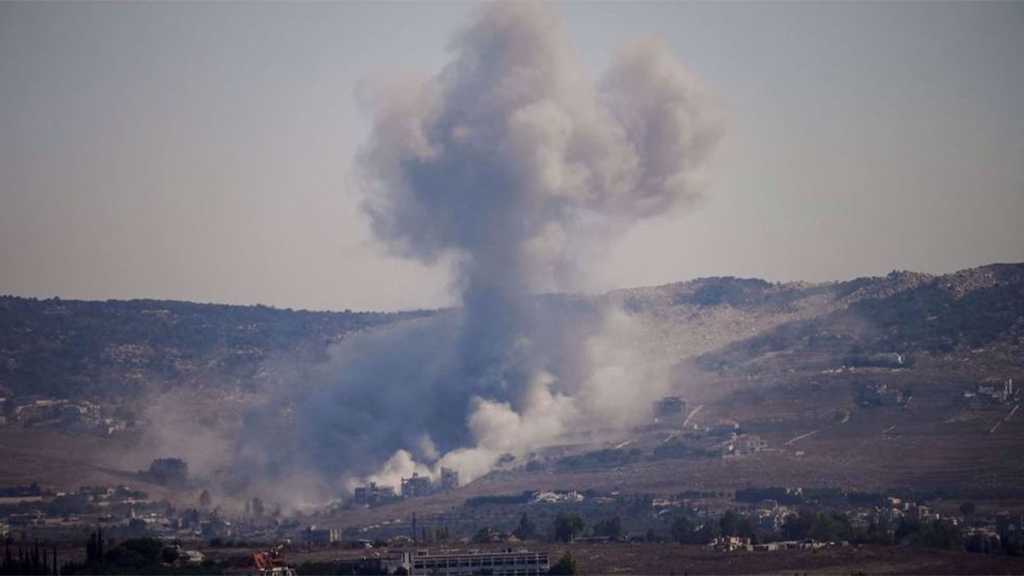
13 Killed in ’Israeli’ Strikes on Southern Lebanon
one month ago