- Home
- ISLAMIC RESISTANCE
- SECRETARY-GENERAL
-
Full Speeches
- Speeches-2000
- Speeches-2006
- Speeches-2007
- Speeches-2008
- Speeches-2009
- Speeches-2010
- Speeches-2011
- Speeches-2012
- Speeches-2013
- Speeches-2014
- Speeches-2015
- Speeches-2016
- Speeches-2017
- Speeches-2018
- Speeches-2019
- Speeches-2020
- Speeches-2021
- Speeches-2022
- Speeches-2023
- Speeches-2024
- Speeches-2025
- Speeches-2026
- Speech-Reports
- SG
-
Full Speeches
- Voices
- Ten Day Dawn
- The Biggest Crime
- Martyr Leaders

Humanitarian Catastrophe Looms in Yemen
Local Editor
East African refugees stranded in Yemen are at risk of a catastrophic humanitarian crisis amid the sustained air strikes and heightened street fighting taking place in the past few weeks in the war-ravaged country.
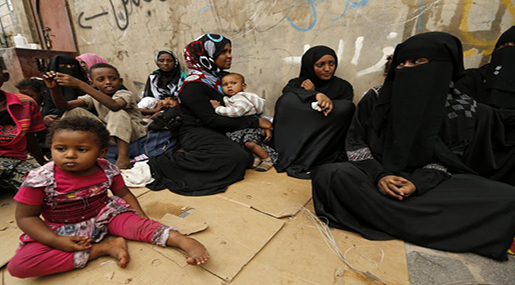
Five weeks of aerial raids and blockade by a Saudi-led international coalition have seriously strained the local Yemeni population, which is suffering from shortages of food, water and electricity.
But for tens of thousands of migrants from Eritrea, Ethiopia and Somalia the situation is even worse, with witnesses complaining that they are being left behind by aid organizations overwhelmed by the effort to help the population during the strikes.
Many refugees, who in Yemen are able to find informal work as waiters in restaurants or construction workers, have lost their jobs in recent weeks as all the shops and businesses shut down.
Aid organizations that are still on the ground, such as the International Committee of the Red Cross [ICRC] and Doctors without Borders [MSF], launched an urgent call to the international coalition raiding the country for unobstructed access after key airports in the capital and the Red Sea port city of Hudaydah have been bombed and are now dysfunctional.
They further warned that the air strikes blocked delivery of humanitarian assistance and the movement of humanitarian personnel.
"Yemen imports 90% of food and medication, especially for the treatment of chronic diseases," Marie Claire Feghali, ICRC staffer in Sana'a told IBTimes UK. "The country is in extreme water stress and is running out of fuel. The hospitals will shut down soon with no gasoline to operate the electricity generators."
Fuel, which is needed to pump out water, run generators, transportations and telecommunications, has been blocked since the beginning of the Saudi strikes.
Shortage of food means that prices are rocketing and the poor population cannot afford to eat.
Source: News Agencies, Edited by website team
Comments
- Related News