- Home
- ISLAMIC RESISTANCE
- SECRETARY-GENERAL
-
Full Speeches
- Speeches-2000
- Speeches-2006
- Speeches-2007
- Speeches-2008
- Speeches-2009
- Speeches-2010
- Speeches-2011
- Speeches-2012
- Speeches-2013
- Speeches-2014
- Speeches-2015
- Speeches-2016
- Speeches-2017
- Speeches-2018
- Speeches-2019
- Speeches-2020
- Speeches-2021
- Speeches-2022
- Speeches-2023
- Speeches-2024
- Speeches-2025
- Speeches-2026
- Speech-Reports
- SG
-
Full Speeches
- Voices
- Ten Day Dawn
- The Biggest Crime
- Martyr Leaders

Fighting in Syria Doesn’t Remove the Threat of Hizbullah to ’Israel’ - Haaretz
Local Editor
Conventional wisdom among intelligence agencies these days sees a high likelihood that the quiet on the Lebanese border will be maintained, Haaretz said.
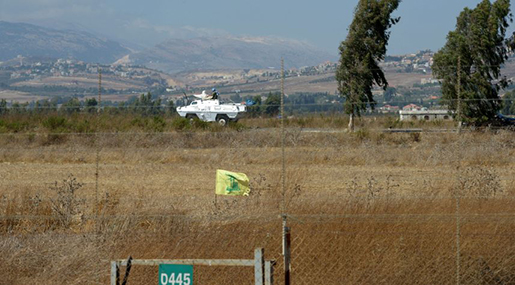
Although the Vienna accords signed last July gave "Israel" a break of undetermined duration in its dealings with the Iranian nuclear threat, yet the most current challenging potential military threat to "Israel" is posed by Hizbullah, the paper added.
As long as the northern border remains quiet, this is the perfect time for the Zionist government and army to coordinate their expectations regarding a military campaign that may develop there in the future.
Last month Nadav Pollak, an "Israeli" researcher at the Washington Institute for Near East Policy, published an extensive study of Hizbullah's involvement in Syria.
He based his research on a long series of talks with experts and intelligence officials in "Israel", the United States and Lebanon.
From an "Israeli" perspective, his conclusions are less optimistic than those of senior "Israeli" officials, who detail the price Hizbullah has paid in Syria.
According to him, Hizbullah has accumulated many gains regardless to the costs.
Hizbullah, he writes, developed over the years from a small cadre of activists into a large guerrilla movement, then into a semi-military organization that is an important regional player and an essential partner in the Iranian-Syrian alliance.
Pollak believes Hizbullah is ready and capable of continuing fighting in Syria, and even though it's been exhausted by the fighting, "It has so far not been brought to its knees."
Assessments that cast doubt on Hizbullah's ability to remain standing at this point remind Pollak of similar ones made in "Israel" before the 2006 war, during which it was proven that the organization has the capacity to survive.
"It's clear that Hizbullah doesn't desire a war with "Israel" at this point, but this doesn't mean it can't sustain fighting on two fronts at the same time," Pollak concludes.
Source: Haaretz, Edited by website team
Comments
- Related News