A year after polls, "Israel`s" Olmert at an all-time low
Source: AFP, 27-3-2007
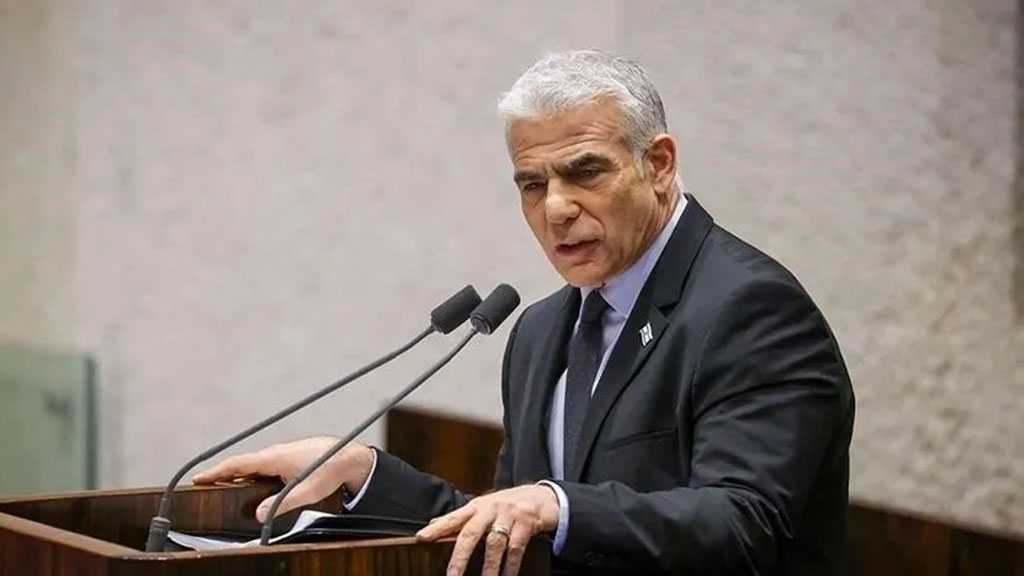
JERUSALEM (AL-QUDS) - A year after bursting onto the political scene with an ambitious plan to redraw "Israel`s" borders, Prime Minister Ehud Olmert faces a historic low in public support over the war in Lebanon, corruption scandals and a bleak diplomatic horizon.
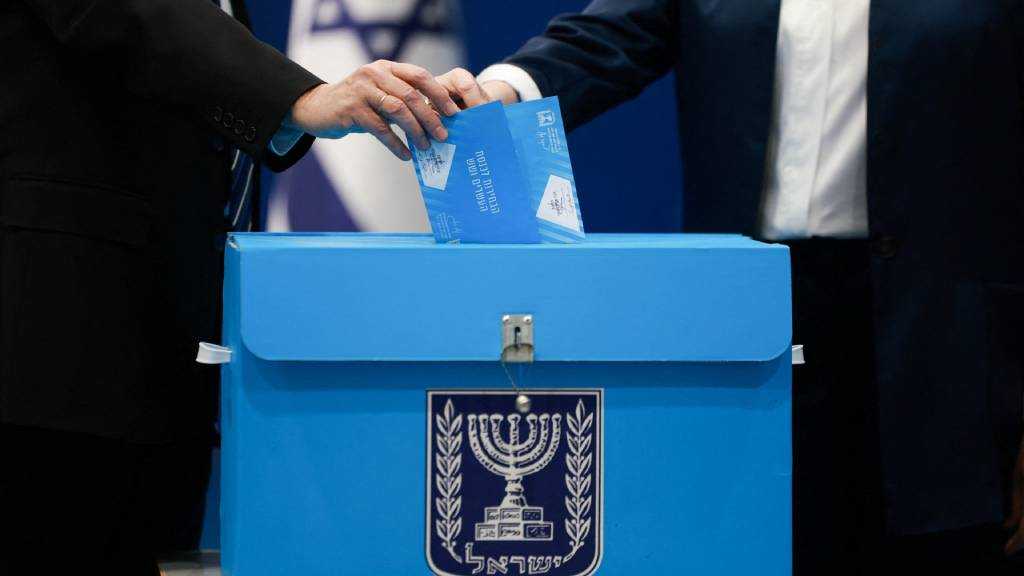
After his centrist Kadima party won a quarter of the seats in parliament in last year`s March 28 elections, Olmert planned to end the decades-long conflict with the Palestinians by dismantling dozens of settlements and withdrawing troops from most of the occupied West Bank.
But today the political future of a man Time Magazine last year called one of the world`s 100 most influential leaders is at best dim after what is regarded in "Israel" as a year of failures.
Just two percent of "Israelis" say they trust their premier, more than two-thirds want him to resign and most also favour early elections.
"I am a very unpopular prime minister," Olmert conceded recently.
"Olmert has failed as a leader. He has to go," wrote a columnist in the liberal Haaretz daily.
Plans for talks with the Palestinians were shelved after the new government led by the radical Hamas movement was sworn in on the same day of the 2006 "Israeli" elections.
Despite increased international efforts, many here see slim chances of a breakthrough in the peace process, as "Israel" refuses contacts with the new Palestinian unity government whose platform falls short of recognising its right to exist.
"I cannot see any real diplomatic alternative on the Palestinian front in the near future -- there is no one to talk to," Trade and Industry Minister and Deputy Prime Minister Eli Yishai of the Shas party told AFP.
After Hamas` stunning victory, Olmert faced further challenges last summer when Palestinian militants seized an "Israeli" soldier near Gaza and within three weeks Hizbullah also captured two servicemen in northern "Israel".
In Gaza, "Israel" launched a sustained, punishing five-month military campaign that killed some 400 Palestinians and wreaked havoc on infrastructure in the coastal strip, but still failed to retrieve Corporal Gilad Shalit.
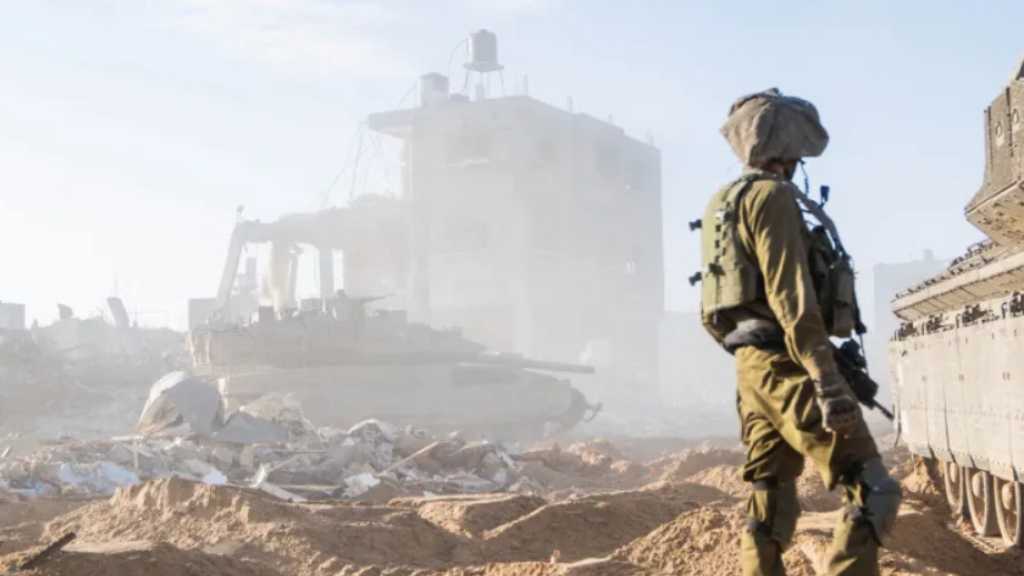
In Lebanon, it launched a 34-day war that killed 1,200 Lebanese mostly civilians and 160 "Israelis" mostly soldiers, sowed destruction in southern Lebanon and northern "Israel", but failed to free the two soldiers or stem Hizbullah rocket fire.
The perceived failures of the war led to a wave of public protest demanding the heads of Olmert and other senior officials.
"The war was an extremely unexpected event that had a strong influence on the public`s mood and `Israel`s` strategic position" which was eroded by the face-off with Hizbullah, a senior government official told AFP.
It also forced Olmert to scrap his plan to withdraw unilaterally from the West Bank, effectively leaving his government without its main platform.
"The war ruined many of our plans. One of them was our ability to continue the diplomatic thrust on the Palestinian front," said Kadima MP Otniel Schneller, one of Olmert`s closest allies.
"All the social changes we wanted and began to implement vanished after the war," Minister Eli Yishai said.
If during the war the "Israeli" public offered its government almost wall-to-wall backing, today Olmert tensely awaits the results of a government inquiry into the conflict, which may be the final nail in the coffin of his political future.
Olmert`s standing has been further weakened by scandals involving him, some of his closest allies and senior government figures.
His close cabinet ally Haim Ramon was forced to resign as justice minister after being found guilty of sexual misconduct. Another close friend, Finance Minister Avraham Hirshson, is suspected of graft.
Olmert alone is currently under investigation over two alleged illegal real estate deals, and an alleged attempt to fix a public tender for his associates.
"The investigations and the alleged corruption scandals dealt us a severe blow and hurt our image," Schneller told AFP.
Frustration within Olmert`s entourage is increased by the current economic upswing -- "Israel`s" economy grew by 5.1 percent in the past year.
"The biggest paradox is that the public clearly knows this has been an excellent economic year. Instead of talking about our power and strength, the public debate does not reflect reality," the government official said.