“Israel” Scrambles to Assess Military Funding as Trump Threatens to End US Aid
By Staff, Agencies
“Israeli” military and finance officials are examining how the country would finance existing arms purchases and replenish military equipment and ammunition depleted during three years of war, following US President Donald Trump’s announcement that Washington intends to end its financial assistance to “Israel” by the end of the year, according to “Israeli” media reports published on Tuesday.
Speaking to Fox News on Tuesday, Trump put annual US assistance to the “Israeli” entity at $4 billion and said he had reached an agreement with “Israeli” Prime Minister Benjamin Netanyahu several months ago to phase out the funding.
“We won’t be paying any more to ‘Israel’,” Trump declared, while adding that Washington would continue selling weapons to the regime and provide assistance if necessary.
According to Channel 12, the “Israeli” Finance Ministry was first informed of the reported plan when Trump publicly announced it. The annual $3.8 billion in US military assistance had previously been expected to contribute to “Israel’s” military budgets for 2027 and 2028.
A senior military official told “Israeli” public broadcaster KAN that the announcement had come as a surprise, despite ongoing discussions with American counterparts. The official added that the relevant government agencies had not yet received an official decision and would need to examine the potential consequences.
The announcement came just two weeks after an “Israeli” War Ministry delegation visited Alabama on October 20 to discuss future arms purchases with officials from the US Army Security Assistance Command, KAN reported.
KAN economic commentator Shaul Amsterdamski estimated that implementing the funding cutoff in January would create an immediate annual shortfall of approximately $3.8 billion, in the military budget.
He noted that the ministry had already made substantial financial commitments and that the government would have to find alternative sources of funding through increased taxation, cuts to public spending or accelerated economic growth that would generate additional tax revenues.
Amsterdamski considered raising taxes the most likely option for covering the financial gap.
Meanwhile, officials familiar with “Israel’s” security negotiations with Washington told Channel 12 that they were seeking clarification on how the country would finance fighter jets covered by existing contracts and which currency would be used to complete the payments.
Officials were also attempting to determine whether Trump’s announcement meant that military assistance would end entirely by the close of the year or whether Washington and Tel Aviv would gradually transition toward a different framework for defense cooperation, the channel reported.
Under a 10-year memorandum of understanding signed in 2016, the United States committed to providing $38 billion in military assistance to the “Israeli” entity through 2028.
The two sides began formal negotiations in May over a successor agreement. However, the implications of Trump’s latest announcement for existing financial commitments and the ongoing discussions remain uncertain.
The potential funding disruption comes as “Israel’s” military faces mounting pressure to replenish equipment and ammunition consumed during years of military operations.
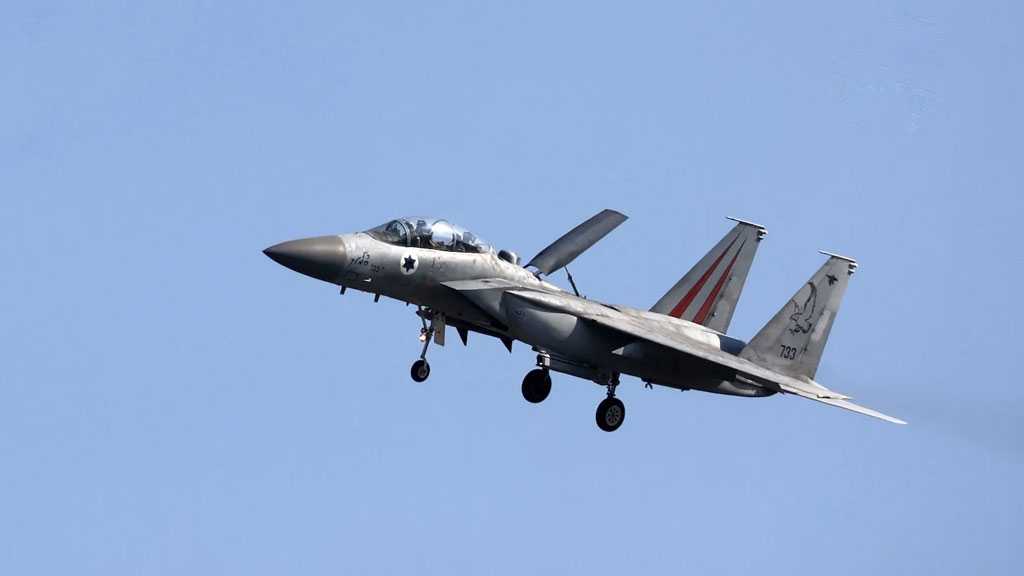
The “Israeli” daily “Maariv” reported that the air force had accumulated as many flight hours over the past three years as it would normally record during nine years of peacetime operations, significantly increasing aircraft wear and maintenance requirements.
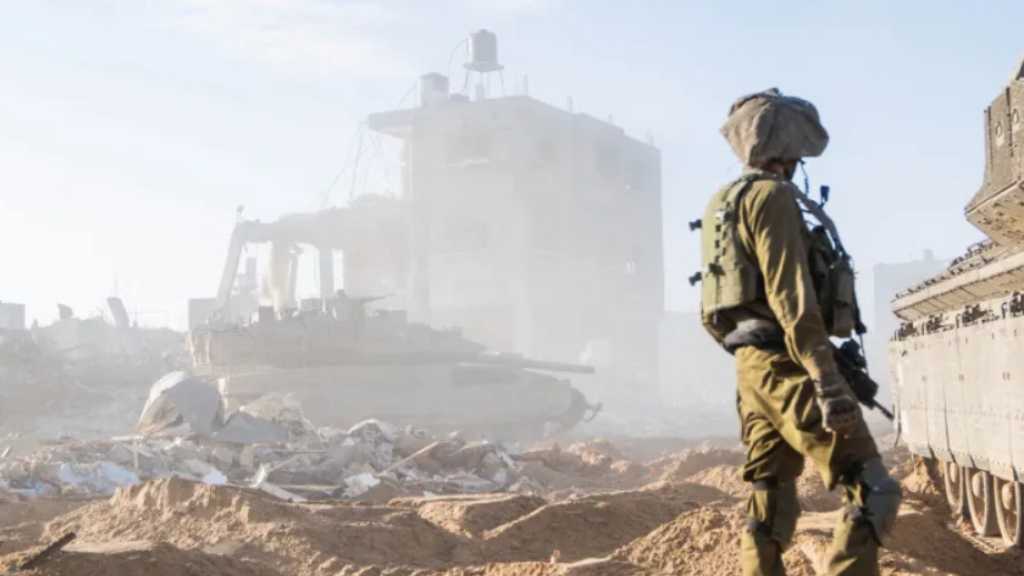
The newspaper also reported that tanks and armored personnel carriers had consumed thousands of engines over the same period.
Furthermore, the military used as much ammunition during those three years as it had consumed throughout the preceding three decades.
“Maariv” warned that losing American military assistance would make it increasingly difficult for the military to replenish depleted ammunition and equipment stocks, while placing additional financial pressure on the government to meet the costs of arms purchases already agreed upon.
The uncertainty surrounding Washington’s future assistance therefore raises significant questions about how the “Israeli” entity will finance its existing military commitments and sustain its defense capabilities amid the extensive demands created by years of war.