Iranian FM Araghchi: Iran Holds Indirect Talks Through Qatar, Rules Out Direct US Meeting
By Staff, Agencies
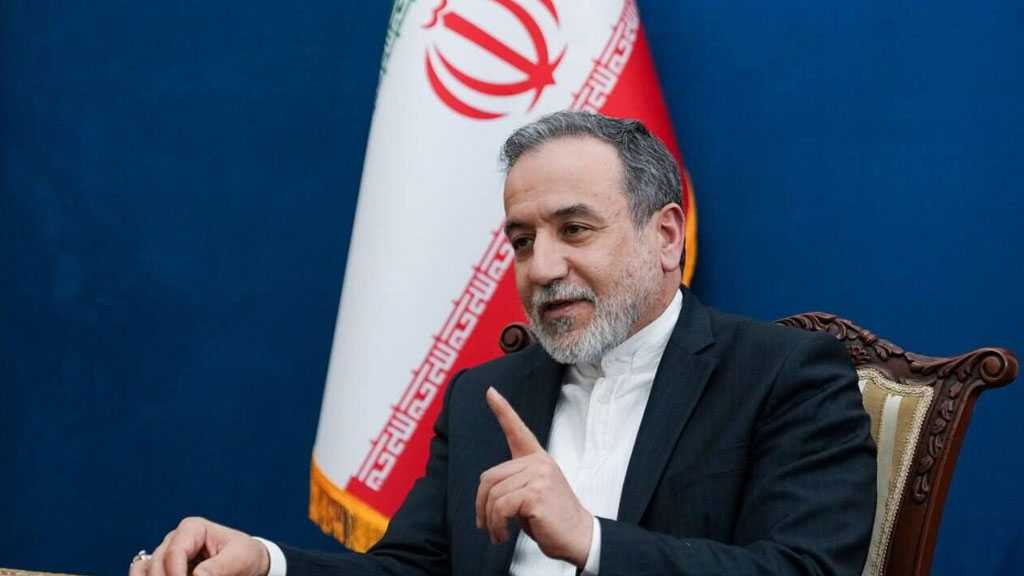
Iranian Foreign Minister Abbas Araghchi has confirmed that Tehran is continuing diplomatic consultations through Qatari mediators over its proposal to reopen the Strait of Hormuz, while stressing that no direct meeting with US representatives is planned.
Speaking on Sunday on the sidelines of a meeting of Parliament’s National Security and Foreign Policy Committee, Araghchi said a senior Iranian diplomat had traveled to Qatar to continue discussions following a recent visit by a Qatari delegation to Tehran.
“There has been no meeting with the American delegation, nor has one been planned,” Araghchi stated, emphasizing that Iran is pursuing discussions through intermediaries based on its own proposal.
He explained that the negotiations concern Iran’s seven-day plan to reopen the Strait of Hormuz, which Tehran has offered to implement within just two days following a Qatari suggestion, provided Iranian conditions are accepted.
Araghchi said the Qatari delegation had conducted consultations in Tehran before returning to Doha. Subsequently, his deputy traveled to Qatar to continue discussions and report on their progress. The deputy foreign minister was expected to return to Iran later on Sunday.
The foreign minister acknowledged that diplomatic contacts were ongoing but had yet to produce a concrete outcome, noting that several important questions remained unanswered.
“Whether we reach an agreement or not depends on answers to many questions that have yet to be provided,” he said.
Araghchi reaffirmed Tehran’s commitment to diplomacy, expressing hope that Washington would demonstrate sufficient pragmatism to prioritize negotiations over confrontation. However, he stressed that Iran remained fully prepared for alternative scenarios.
“We are making our efforts and hope there is enough rationality on the other side to prefer diplomacy to other options. But we are fully prepared for other options as well,” he stated.
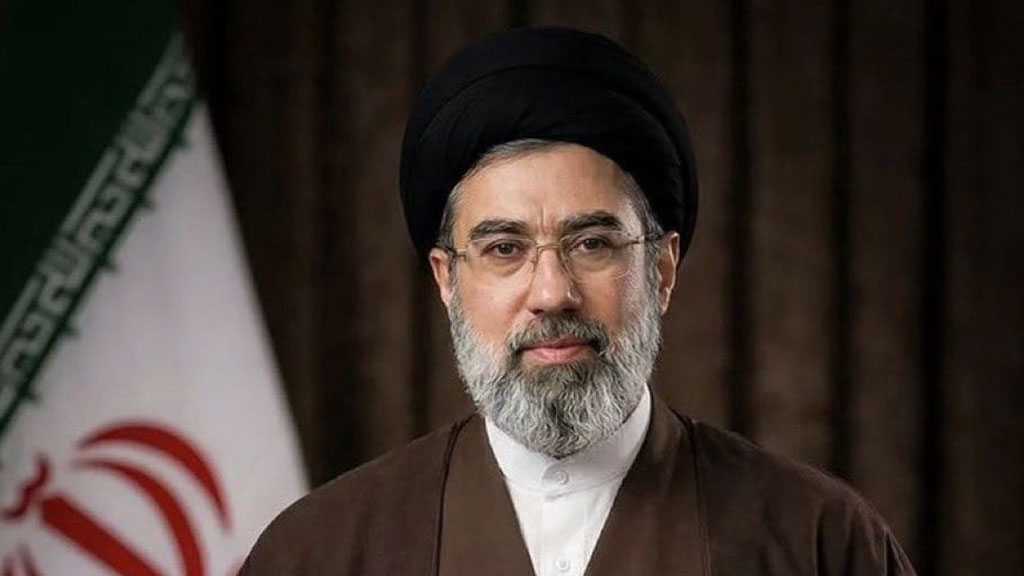
Referring to directives issued by the Leader of the Islamic Revolution His Eminence Ayatollah Sayyed Mojtaba Khamenei to military commanders, Araghchi said Iran’s position and intentions had been clearly communicated.
He stressed that the country’s armed forces remain fully prepared to carry out their responsibilities and are now stronger than during the previous two wars, having gained significant experience and lessons from those conflicts.
“We are now fully prepared to defend ourselves, while at the same time remaining ready for diplomacy,” Araghchi said.
He added that the next move rests with Washington, saying that the course chosen by the Americans would depend on their own judgment.
The United States and the "Israeli" entity launched their first war against Iran in June 2025, which lasted 12 days. A second military aggression began on February 28, 2026, and ended in early April following 40 days of fighting.
During both conflicts, Iran carried out retaliatory military operations against the aggressors, which ultimately led to ceasefire arrangements.
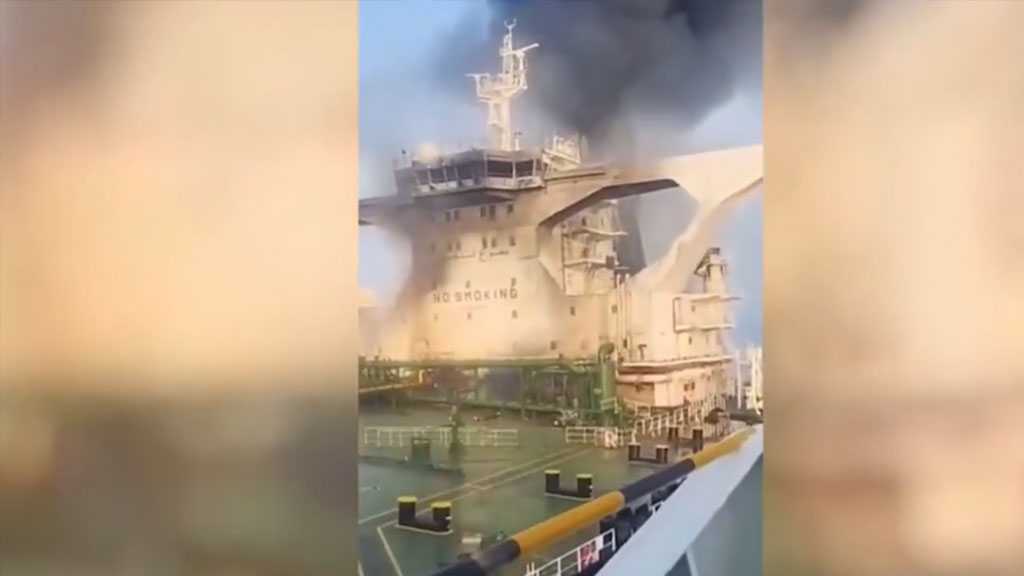
Since the beginning of the second war, Iran has maintained tight control over maritime traffic through the Strait of Hormuz.
The report further states that in July, the United States carried out successive airstrikes against Iran and imposed a naval blockade, which Tehran described as a violation of the June 17 Islamabad Memorandum of Understanding [MoU] aimed at ending the conflict.
In response, Iranian Armed Forces launched strikes against strategic American targets across West Asia and announced the closure of the Strait of Hormuz to maritime traffic.
Comments