Tehran Rejects US Response, Says Hormuz Will Remain Closed Until Conditions Are Met
By Staff, Agencies
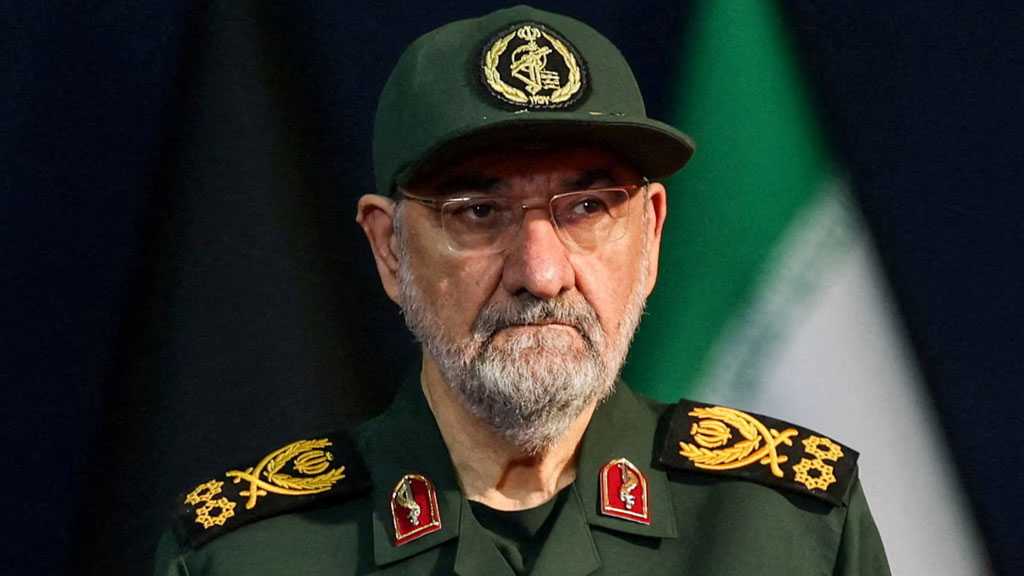
Major General Mohsen Rezaei, Secretary of Iran’s Supreme National Security Council [SNSC], has rejected Washington’s latest diplomatic response to Tehran’s demands, describing it as “unconvincing” and stressing that the Strait of Hormuz will remain closed until the United States fulfills Iran’s conditions.
Addressing the ongoing diplomatic impasse, Rezaei emphasized that reopening the strategic waterway is contingent upon Washington providing clear and comprehensive responses to Iran’s seven prerequisites and taking concrete steps to meet them.
“The US response to Iran’s rights and demands was not convincing, and they must completely and explicitly answer and act upon Iran’s seven conditions,” Rezaei said. “Only in this case will the Strait of Hormuz be reopened.”
His remarks came days after Tehran confirmed that it had reviewed a message sent by US Vice President JD Vance.
The letter was delivered to Rezaei through Qatari mediators and included a proposed framework for direct negotiations between Tehran and Washington. According to reports, Vance sought to place Iran’s peaceful nuclear program on the negotiating agenda from the outset, a demand that the Islamic Republic has repeatedly rejected.
Iranian Foreign Minister Abbas Araghchi confirmed last week that Tehran currently has no plans to meet with American officials, dismissing speculation about an imminent diplomatic encounter as “mere media guesswork.”
Araghchi stressed that Iran’s proposal for reopening the Strait of Hormuz remains the only viable initiative currently under consideration, adding that regional mediators continue to exchange proposals between the two sides.
Despite Tehran’s firm position, diplomatic efforts by regional mediators remain ongoing, with Qatar expressing optimism about the possibility of reaching an interim agreement.
On Tuesday, Qatari Foreign Ministry spokesman Majed Al Ansari said Doha remained hopeful that an understanding could be reached between the two countries.
“Both parties remain committed to the negotiation process... They are currently reviewing the ideas and proposals we have presented,” Al Ansari told reporters.
He described the indirect negotiations as “very intensive,” while cautioning that any further escalation could seriously undermine diplomatic efforts and complicate the possibility of an agreement.
Meanwhile, Washington has continued to send contradictory signals regarding its diplomatic intentions. US President Donald Trump previously attempted to downplay the significance of Vance’s letter, telling reporters that its purpose concerned “medical supplies” for Iran rather than negotiations.
At the same time, the United States and the “Israeli” regime have intensified their military threats against Iran amid developments surrounding the US midterm elections and recent political developments in the occupied territories.
Tehran has repeatedly warned that it remains fully prepared to defend its sovereignty and territorial integrity against any act of aggression.
“We do not rule out any possibility regarding the outbreak of war, and we are prepared for all scenarios,” Araghchi said in recent remarks.
The foreign minister also confirmed that Iran had strengthened its military capabilities, addressed existing vulnerabilities and conducted tests of newly developed weaponry, underscoring Tehran’s readiness to respond to any potential escalation.
Comments