Trump Privately Fears ‘Worst-Case’ Scenario as Republicans Face Midterm Losses
By Staff, Agencies
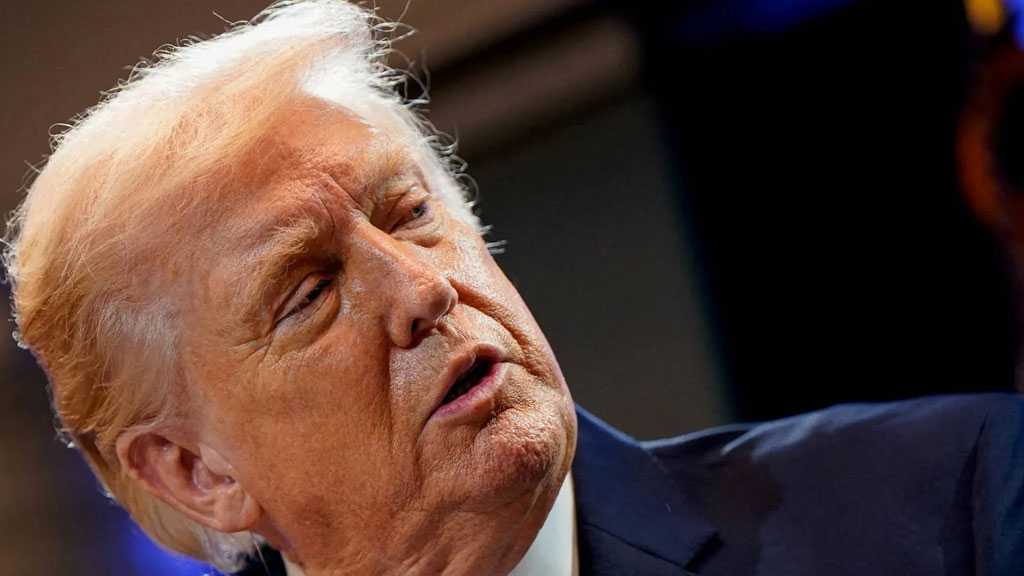
US President Donald Trump has privately acknowledged the possibility of a “worst-case” outcome for Republicans in the midterm elections, despite occasionally expressing confidence that his party could perform better than pre-election polls suggest, according to a report.
CNN published the report on Tuesday, citing sources close to the president, as Americans head to the polls in elections that will determine whether Republicans maintain control of both chambers of Congress or Democrats secure the power to challenge Trump’s legislative agenda during the final two years of his presidency.
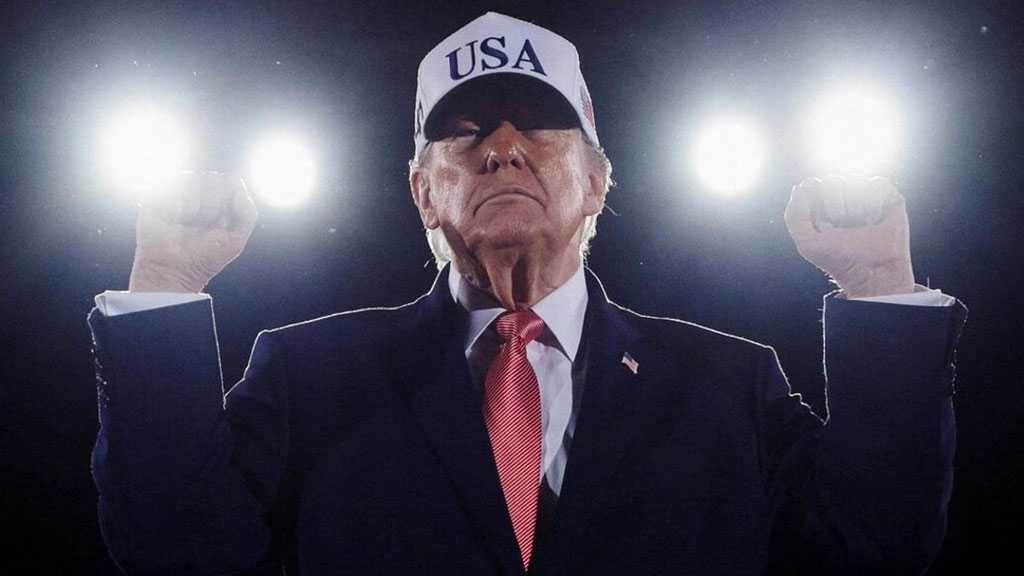
Trump has placed himself at the center of the Republican campaign, holding rallies across several states and repeatedly urging voters to support his party’s candidates. However, his administration is facing growing public dissatisfaction over economic conditions, rising living costs and the political consequences of the ongoing war against Iran.
According to CNN’s sources, Trump has privately acknowledged that Republicans could suffer a particularly damaging electoral defeat, even as he has expressed hope that opinion polls indicating Democratic gains may not accurately reflect the final outcome.
Early exit polls released by The Associated Press identified the rising cost of living and government corruption as the two leading concerns among voters.
Economic anxiety has been further intensified by the war and Trump’s tariff policies, while the administration has faced mounting criticism over its handling of inflation and the financial pressures confronting American households.
The elections have also unfolded amid legal disputes surrounding the administration’s efforts to address alleged “voter fraud.”
On Tuesday, a federal appeals court overturned an earlier ruling that had prohibited administration officials from instructing election workers to set aside ballots cast by individuals suspected of being “non-citizens.”
Meanwhile, reports of voting machine malfunctions and other disruptions emerged from several parts of the country, including a closely watched congressional contest in New York between Republican Representative Mike Lawler and Democratic challenger Cait Conley.
An unprecedented deployment of election monitors, alongside a series of legal challenges, has also raised concerns about possible disruptions and disputes surrounding the election results.
Republicans entered the midterm elections holding narrow majorities in both chambers of Congress. Democrats need a net gain of three seats to take control of the House of Representatives and four seats to secure a Senate majority, where Republicans currently hold a 53-47 advantage.
A Democratic takeover of the House would give the party control over key congressional committees and expanded authority to investigate the Trump administration through hearings, subpoenas and other oversight mechanisms.
It would also strengthen Democratic influence over federal spending and legislative decisions, although Trump would retain his presidential veto power.
Should Democrats capture control of both chambers, the president’s legislative agenda would face considerably greater resistance, potentially limiting his administration’s ability to advance major policy initiatives.
A renewed impeachment effort could also emerge under a Democratic-controlled Congress, although removing Trump from office would require a two-thirds majority in the Senate.
Beyond determining control of Congress, the election results are also expected to provide an indication of whether Trump’s gains among young, Black and Latino voters during the 2024 presidential election have been sustained.
The outcome will therefore carry broader political implications for both parties as Democrats seek to rebuild their support among these voter groups ahead of the 2028 presidential election.
Comments