- Home
- ISLAMIC RESISTANCE
- SECRETARY-GENERAL
-
Full Speeches
- Speeches-2000
- Speeches-2006
- Speeches-2007
- Speeches-2008
- Speeches-2009
- Speeches-2010
- Speeches-2011
- Speeches-2012
- Speeches-2013
- Speeches-2014
- Speeches-2015
- Speeches-2016
- Speeches-2017
- Speeches-2018
- Speeches-2019
- Speeches-2020
- Speeches-2021
- Speeches-2022
- Speeches-2023
- Speeches-2024
- Speeches-2025
- Speeches-2026
- Speech-Reports
- SG
-
Full Speeches
- Voices
- Ten Day Dawn
- The Biggest Crime
- Martyr Leaders

U.S. meddling in formation of Lebanese cabinet

Source: Tehran Times, 10-07-2008
By: Hassan Hanizadeh
At the last moment, when Lebanese groups were about to reach an agreement on the makeup of a unity cabinet, the U.S. Embassy in Beirut protested openly at the way ministerial posts were being divided between the Loyalty and the Opposition groups and thus delayed the formation of the new government.
This intervention has stoked up the tension between the two centers of power in Lebanon and encouraged the Loyalty group to ask for more ministerial posts.
The U.S. move showed its utter disregard for the Doha agreement and proved that the United States and certain Arab countries do not want to see the Lebanon crisis resolved based on the blueprint mapped out at the Doha meeting.
Certain Lebanese politicians have been optimistic about the possibility of forming a unity cabinet, but doubts have now arisen, despite the efforts of designated prime minister Fouad Saniora to hammer out a deal acceptable to all political players in the Lebanese political arena.
The ambitious demands of the Loyalty group, which wants to control the key finance, foreign, interior, justice, and transport ministry portfolios, have created obstacles undermining Saniora's plan to promptly form a cabinet.
Despite the fact that the Doha agreement outlined the roadmap for establishing a unity cabinet and led to the election of a new Lebanese president, over six weeks have passed since the deal was made and the members of the new cabinet have still not been selected.
In their meeting with Saniora, the leaders of the Opposition group, including Michel Aoun, the chairman of the Free Patriotic Movement, insisted on the need to implement the Doha agreement, which shows that that the opposition wants to resolve the Lebanon crisis as soon as possible.
But since the United States and some Arab leaders don't want to see the political crisis resolved, they have set certain conditions, such as including their people in the new cabinet, and thus have tied the hands of the prime minister, who must select people who will be acceptable for all political factions.
Hizbullah and its allies are not very concerned about the precise makeup of the cabinet but believe that the nation can only be united and the cabinet can only be successful if ministerial posts are given to people who are acceptable and cooperative.
At the Doha meeting, 16 ministries were allocated to the Loyalty group, 11 to the opposition, and 3 to the president. Yet, the Loyalty faction is now demanding that unacceptable and uncooperative figures be appointed to the cabinet as their precondition for joining the new government, with the aim of creating headaches for the Islamic resistance movement.
Although it's difficult to predict the exact date the new cabinet will be formed, the prime minister's discussions with the leaders of the two major groups have improved the political climate and it seems that the Opposition group has no objection to the makeup of the new cabinet, whose ministers will soon be announced.
However, if the U.S. keeps meddling in the efforts to establish a new Lebanese cabinet and the Loyalty group does not back down from its demand for more key ministries and halt its efforts to monopolize political power, there will be a new crisis in Lebanon and we will be back to square one.
Comments
- Related News
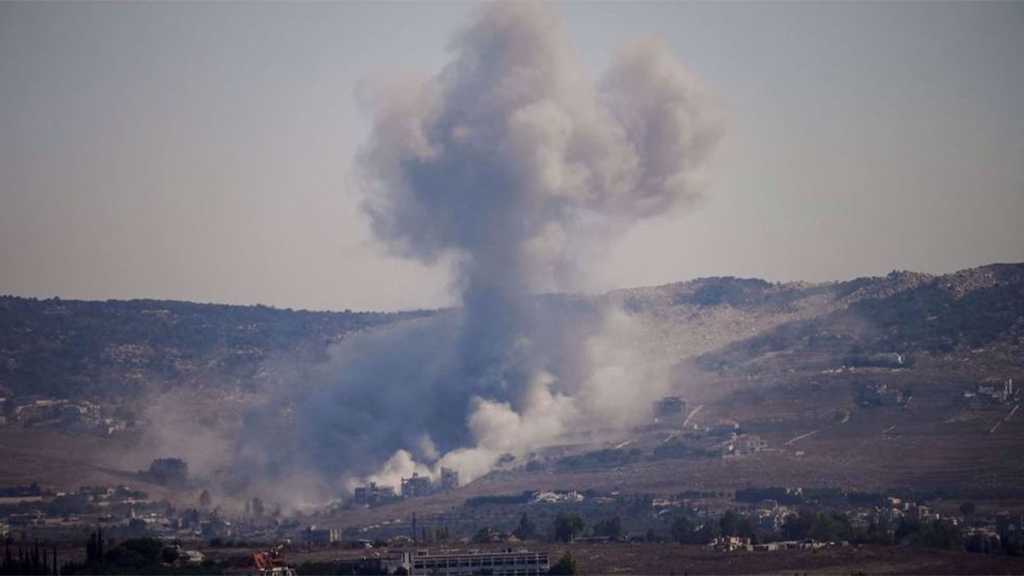
13 Killed in ’Israeli’ Strikes on Southern Lebanon
one month ago