Syria and Lebanon agree to establish diplomatic ties, exchange envoys

Source: Agencies, 14-8-2008
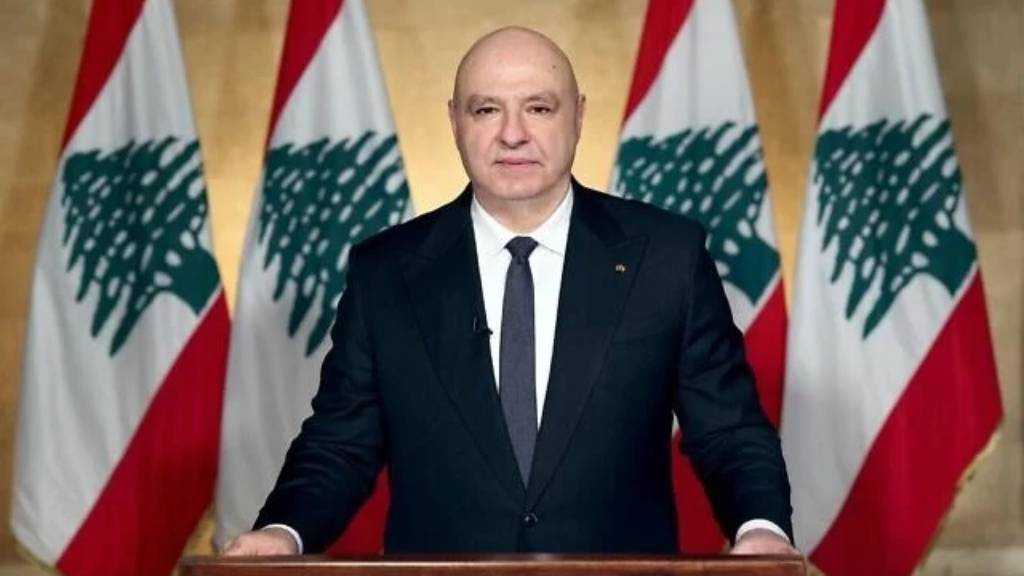
BEIRUT: Syria and Lebanon have agreed to start diplomatic ties and exchange ambassadors for the first time since independence about 60 years ago, a Syrian presidential adviser said on Wednesday. The decision was taken during a meeting in Damascus between President Bashar Assad and his visiting Lebanese counterpart Michel Suleiman, said presidential counselor for politics Buthaina Shaaban.
"The two presidents decided to establish diplomatic ties at the level of ambassadors, in line with the treaty of the United Nations and international law," the statement by Shaaban said.
Presidents Assad and Suleiman "instructed their Foreign ministries to take the necessary measures in this regard to conform with the laws of the two countries," the statement added.
Wednesday's confirmation of the decision marks the first fruits of a landmark trip to Damascus by Suleiman, the first Lebanese president to visit Damascus since Syria withdrew its troops from Lebanon in April 2005 ending almost three decades of military domination of its "sister" nation.
The pullout came two months after the assassination in a massive Beirut bomb blast of Lebanese former Prime Minister Rafik Hariri, for which Damascus has denied any responsibility despite accusations by Lebanese anti-Syrian groups.
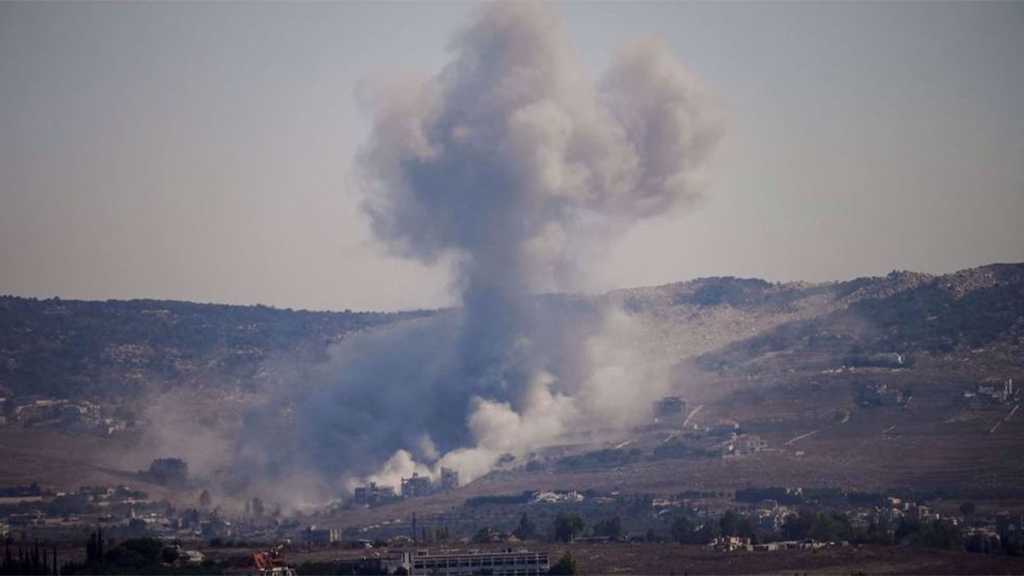
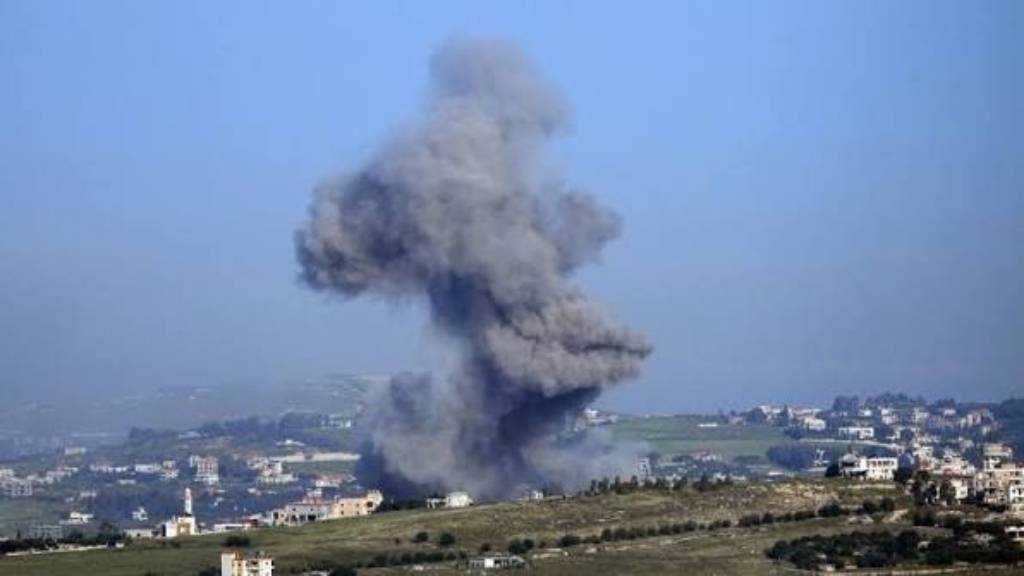
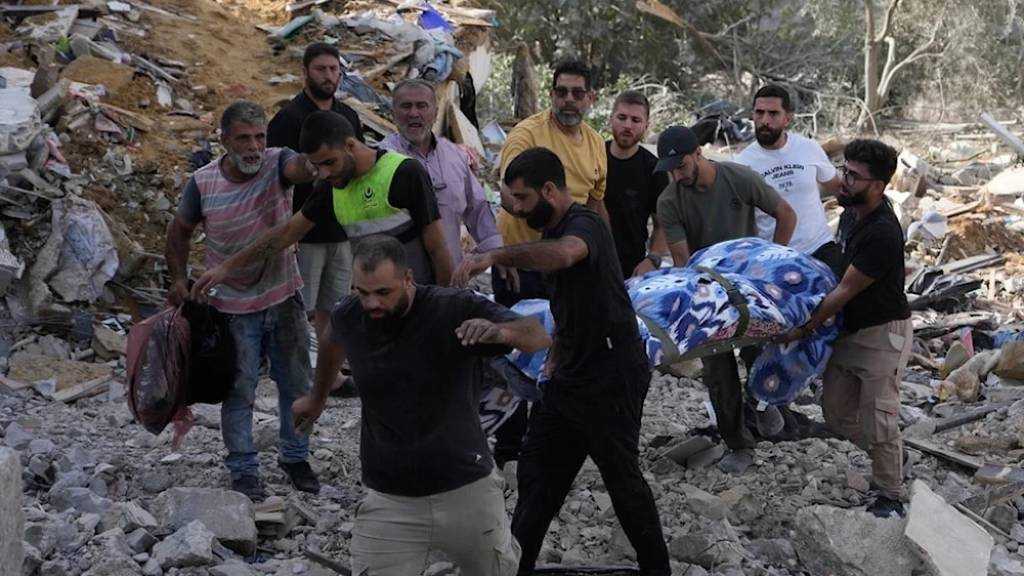
Hours before Suleiman flew in, a bomb exploded in the Northern Lebanese port city of Tripoli, killing at least 14 people, nine of them soldiers, and wounding 40 others.
Suleiman, a former army chief elected by Parliament in May, was given a red-carpet welcome by Assad at the People's Palace overlooking Damascus ahead of a first round of talks.
"[Assad] has instructed all concerned Syrian officials that he wants this visit to be successful and fruitful," Syrian Foreign Minister Walid Moallem said in comments published by Lebanon's As-Safir newspaper.
"The visit is a starting point ... for future relations. We hope it will yield good relations in the interests" of the Lebanese and Syrian people.
Syria and Lebanon have not had diplomatic ties since independence from French colonial power about 60 years ago but Assad and Suleiman agreed to establish ties during talks last month at the sidelines of the Mediterranean Union summit in Paris.
Suleiman's visit aims to redefine ties between Beirut and Damascus which have been on the decline since Hariri's murder.
The agenda features prickly issues such as a border demarcation, a review of longstanding accords, Lebanese detainees in Syria, Syrians missing in Lebanon and the presence of Palestinian groups in Lebanon, as well as the opening of embassies.
Suleiman was elected in May as part of an agreement struck in Doha between the pro- and anti-Syrian camps in Lebanon after an 18-month political crisis which degenerated into deadly factional violence.
The deal led to the formation of a national unity government, a development which would have been impossible without Syrian consent.
Suleiman's visit comes a day after Lebanon's government won a vote of confidence in Parliament. The vote allows the 30-member Cabinet formed a month ago by Prime Minister Fouad Siniora to finally start work.
"Syria wants a stable, united and Arab Lebanon which does not serve as a trampoline for hostile activities," Elias Murad, editor in chief of the ruling Baath party newspaper, told AFP.
Syria's official Tishrin newspaper hailed the summit and said it expected "past mistakes to be overcome ... by establishing diplomatic ties" which it said must be based on "respect, friendship and coordination."
Officials in Damascus insist Syria has not interfered in Lebanon since its troop withdrawal and has worked to reunify ranks in Beirut, pointing to the Doha accord.